Best 7 Arthritic Knee Treatments You Should Consider?
Managing the pain of arthritis in the knee is a common concern for many. With various treatments available, finding the right approach can seem daunting. Understanding the best arthritic knee treatments can be a game changer. Patients often seek relief from discomfort and improved mobility.
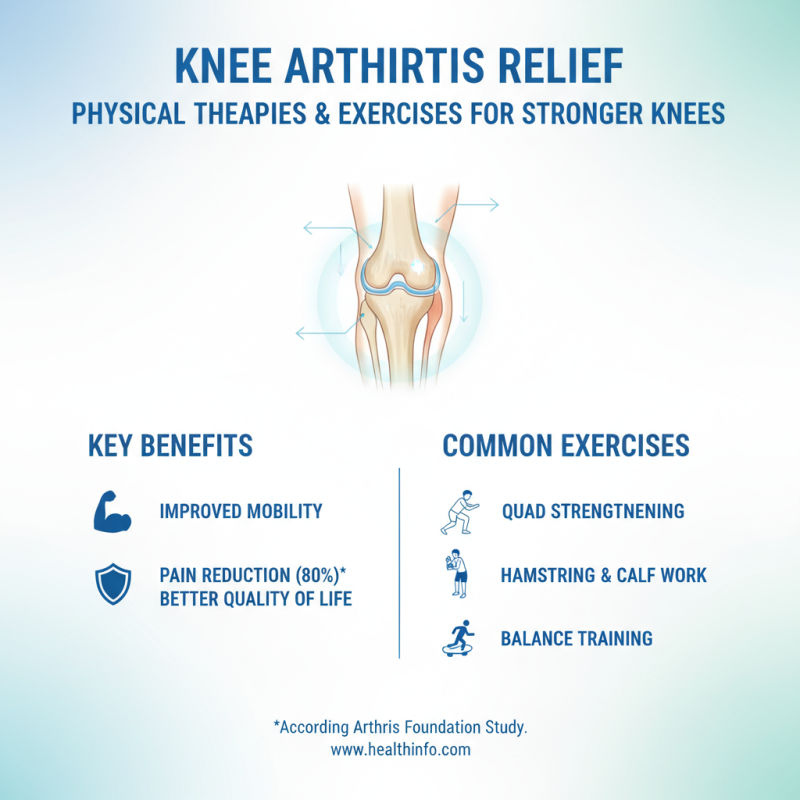
Effective treatments range from lifestyle changes to medical interventions. For instance, physical therapy can enhance strength and flexibility. Injections, such as corticosteroids, may offer temporary relief. However, it is essential to learn about all options available to determine what works best.
As you explore these arthritic knee treatments, consider consulting medical professionals for tailored advice. Each individual’s situation is unique, and what suits one person might not suit another. Continuous reflection on your treatment plan is key. Remember, the goal is to reclaim your quality of life and reduce pain effectively.
Understanding Arthritis and Its Impact on the Knee
Arthritis is a chronic condition that significantly affects the knees. It involves inflammation of the joint, leading to pain and mobility issues. The knee joint bears much of the body’s weight, making it particularly vulnerable. This condition can stem from various forms of arthritis, including osteoarthritis and rheumatoid arthritis.
Living with arthritic knees often means managing discomfort. Daily tasks can become challenging due to pain and stiffness. Physical therapy may provide some relief, as tailored exercises can strengthen surrounding muscles. Weight management also plays a crucial role in reducing stress on the knees. While these strategies work for many, there’s no one-size-fits-all solution. It requires patience and ongoing adjustments to find what works best for each individual. Seeking professional advice is essential. Your healthcare provider can offer guidance tailored to your situation. Listening to your body is vital in this journey.
Best 7 Arthritic Knee Treatments You Should Consider
| Treatment Method |
Description |
Effectiveness |
Frequency of Use |
| Physical Therapy |
A regimen of tailored exercises to improve mobility and reduce pain. |
High |
2-3 times per week |
| Medication |
Over-the-counter pain relievers or prescription drugs to alleviate pain and inflammation. |
Moderate |
As prescribed |
| Weight Management |
Maintaining a healthy weight to reduce stress on knee joints. |
High |
Ongoing |
| Injections |
Corticosteroid or hyaluronic acid injections to relieve joint pain. |
Variable |
Every few months |
| Heat and Cold Therapy |
Application of heat or cold packs to soothe knee pain. |
Moderate |
As needed |
| Assistive Devices |
Use of braces, canes, or walkers to support mobility. |
High |
As needed |
| Surgery |
Last resort options like arthroscopy or knee replacement. |
High |
As recommended |
Common Symptoms of Arthritic Knee Conditions
Arthritic knee conditions often bring a range of symptoms that can significantly disrupt daily life. Common signs include stiffness, swelling, and difficulty moving the joint. Many individuals report a cracking or popping sound during movement. These symptoms can come and go, leading to frustration. It is essential to recognize them early for better management.
Tips for managing symptoms include maintaining a healthy weight. Extra weight puts pressure on knees, exacerbating pain. Gentle exercises can also improve flexibility and support joint health. Activities like swimming or cycling can be beneficial without straining the knees. Additionally, heat and cold therapy can provide temporary relief. Applying a hot pack may soothe stiffness, while an ice pack can reduce swelling.
Listening to your body is crucial. Sometimes, pushing through pain isn’t the best approach. If a particular activity increases discomfort, it might be time to adjust your routine. Remember, proper footwear can make a big difference. Shoes that provide adequate support help reduce knee strain. Each step matters when managing arthritic knee symptoms effectively.
Lifestyle Modifications for Managing Arthritic Knee Pain
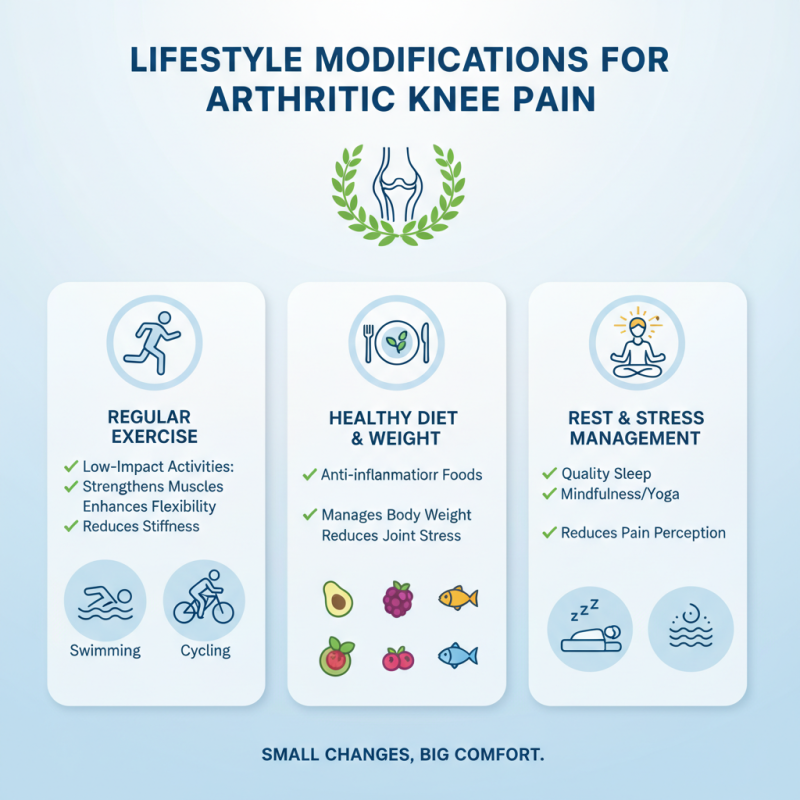
Managing arthritic knee pain often begins with lifestyle modifications. Small changes can make a significant difference in daily comfort. Regular exercise is crucial. Low-impact activities like swimming or cycling can strengthen muscles around the knee. These activities enhance flexibility and reduce stiffness.
Diet plays a vital role as well. Emphasizing anti-inflammatory foods can help. Incorporating fruits, vegetables, and omega-3 fatty acids is beneficial. Staying hydrated is essential, too. Drinking enough water can aid joint lubrication. Yet, many people overlook this simple habit.
Weight management is another key factor. Excess weight increases stress on the knees. A balanced diet and consistent exercise can help maintain a healthy weight. However, it's important to approach this gradually. Setting realistic goals is necessary for long-term success. These lifestyle modifications require commitment and patience. Seeking support from professionals can provide accountability and improve outcomes.
Pharmacological Treatments for Arthritic Knee Relief
Arthritis in the knee can be debilitating. Finding effective pharmacological treatments is crucial for managing pain. Nonsteroidal anti-inflammatory drugs (NSAIDs) are commonly prescribed. They reduce inflammation and provide relief from pain. Patients often report significant improvements in daily activities after using these medications.
Corticosteroids are another option. These powerful anti-inflammatory agents can be injected directly into the joint. Many experience rapid pain relief. However, frequent use can lead to side effects, such as weight gain and mood swings. Balancing the benefits and risks is vital.
Natural alternatives, like glucosamine and chondroitin, are frequently discussed. Some individuals find these supplements helpful. Despite their popularity, scientific evidence remains mixed. This leads to ongoing debate among healthcare professionals. Discussing these options with a qualified expert is essential before making any changes. Finding the right treatment often involves trial and error. Patience and open communication with a healthcare provider can lead to better outcomes over time.