Best Stem Cell Neural Repair Techniques and Discoveries?
Stem-Cell Neural Repair is a groundbreaking field with immense potential. This area focuses on using stem cells to regenerate and repair damaged neural tissues. Recent advances have unveiled innovative techniques that may offer hope for treating neurological disorders.
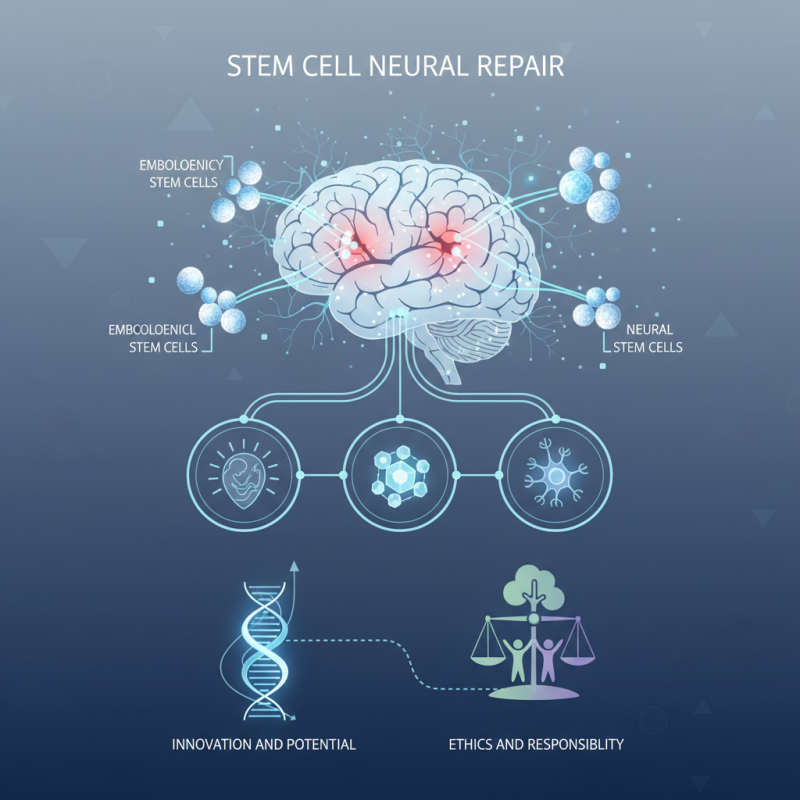
Researchers are exploring various methods to harness stem cells for neural repair. Different approaches include using embryonic stem cells, induced pluripotent stem cells, and neural stem cells. Each technique presents unique challenges and opportunities. Understanding these complexities is crucial for improving outcomes in patients.
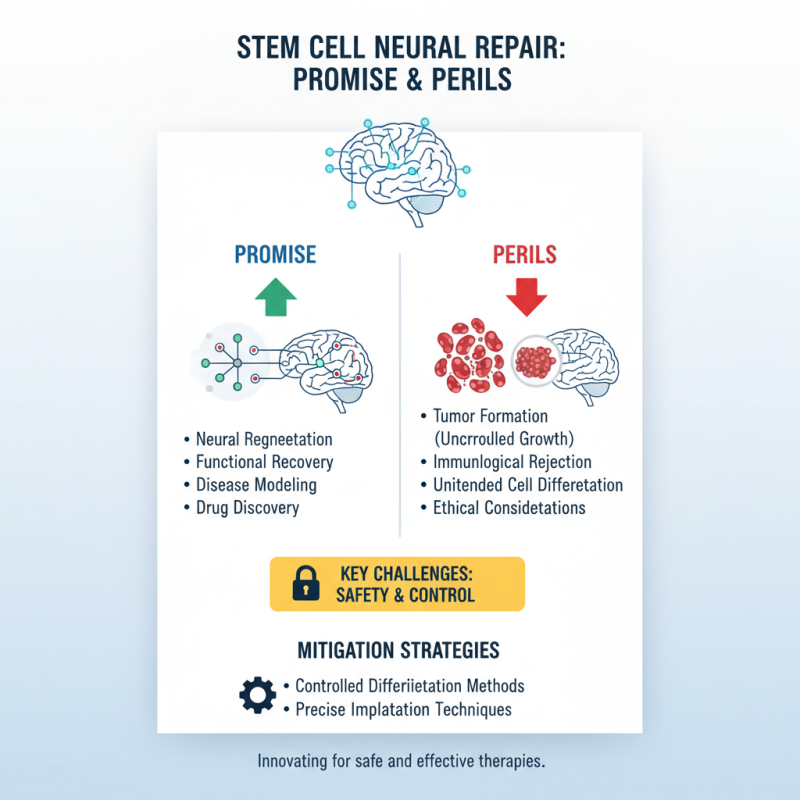
While the promise of Stem-Cell Neural Repair is evident, there are still hurdles to address. Ethical concerns often overshadow advancements. Further research is needed to ensure safety and efficacy. The journey to successful implementation invites continuous reflection on the balance between innovation and ethical responsibility.
Overview of Stem Cell Types Used in Neural Repair
Stem cell therapy has emerged as a promising approach for neural repair. Several types of stem cells are currently being researched for their effectiveness in treating neurological disorders. For instance, pluripotent stem cells can differentiate into any cell type. They show potential in generating neurons and glial cells. This versatility offers hope for diseases like Parkinson's and multiple sclerosis.
Mesenchymal stem cells (MSCs) are another focus. MSCs can be sourced from various tissues, including bone marrow and fat. Studies indicate they might reduce inflammation and promote repair in the nervous system. In a recent report, it was noted that about 30-40% of patients with spinal cord injuries showed improved function after MSC treatment. However, results vary widely, and more studies are needed.
Neural stem cells (NSCs) are specific to the nervous system. They can regenerate neurons and form neural networks. Research shows potential in treating stroke and traumatic brain injuries. Yet, challenges remain. The optimal cell delivery methods and timing are still under investigation. The field is evolving, but limitations persist in translating research to clinical settings. Further understanding is crucial for success in stem cell therapy for neural repair.
Current Advances in Stem Cell Techniques for Neural Regeneration
Recent advancements in stem cell techniques have shown great promise for neural regeneration. Researchers are exploring various methods to harness stem cells for repairing damaged neural tissues. For example, one approach involves using induced pluripotent stem cells. These cells can differentiate into any type of neural cell. This flexibility opens new avenues for treatment.
Another technique focuses on using neural stem cells from the brain. These cells can regenerate and repair damaged areas. Scientists have seen positive outcomes in animal models. However, transferring these findings to humans remains a challenge. The complexity of the human brain adds layers of difficulty.
Ethical considerations also play a role. Many techniques rely on cell sourcing and usage. Public perception can vary significantly. As science progresses, the need for transparent practices becomes apparent. Balancing innovation with ethical standards is necessary for future success. It’s a delicate dance of experimentation and responsibility.
Current Advances in Stem Cell Techniques for Neural Regeneration
Applications of Stem Cells in Treating Neurodegenerative Diseases
Neurodegenerative diseases like Alzheimer's and Parkinson's create significant challenges. They damage nerve cells, leading to severe cognitive and physical decline. Researchers explore stem cell therapies as a potential solution. These therapies aim to repair or replace damaged neurons. The process isn't straightforward. There are many hurdles to overcome.
Stem cells can differentiate into various cell types. This ability raises hope for restoring lost functions. However, not all stem cell treatments are equally effective. Some studies report mixed results. The integration of stem cells into existing neural networks remains problematic. Additionally, ethical considerations complicate the landscape. It’s essential to navigate these issues carefully.
Recent discoveries show promise. Scientists are delving into how stem cells can protect neurons from degeneration. They are also studying how to enhance the body’s repair mechanisms. However, challenges remain in translating lab results into clinical practice. Each breakthrough requires thorough testing. There is still much to learn about optimizing these techniques.
Challenges and Ethical Considerations in Stem Cell Neural Repair
Stem cell research holds great promise for neural repair. However, several challenges linger. One major concern is the potential for tumor formation. Stem cells can grow uncontrollably, leading to unintended consequences. Scientists must carefully consider the methods used for differentiation and implantation to mitigate these risks.
Ethical considerations are equally significant. The source of stem cells often sparks intense debate. Many cells come from embryos, which raises moral questions about the beginning of life. Public opinion varies widely on this issue. Some advocate for the use of adult stem cells or induced pluripotent stem cells. These alternatives might reduce ethical conflicts but come with their own challenges.
The regulatory landscape is also complex. Different countries have varying laws surrounding stem cell research. This inconsistency can hinder collaboration among researchers. It may also delay the development of breakthrough treatments. Navigating these challenges requires careful consideration and open dialogue among scientists, ethicists, and policymakers. The journey toward effective neural repair is filled with hurdles that demand continuous reflection and discussion.
Future Directions and Innovations in Stem Cell Research for Neural Repair
The field of stem cell research is rapidly evolving, particularly for neural repair. Recent advances suggest that induced pluripotent stem cells (iPSCs) may offer significant benefits in treating neurodegenerative diseases. In a 2023 report, it was noted that iPSCs can differentiate into neurons, potentially reversing damage caused by conditions like Parkinson's disease. This could present a game-changer for thousands of patients.
However, challenges remain. Achieving effective integration of stem cells into existing neural pathways is difficult. A study documented that only 30% of transplanted cells survive long-term, raising questions about the effectiveness of these interventions. Researchers must address these limitations and improve the survival rate of grafted cells.
Innovations are on the horizon. Gene editing tools like CRISPR hold promise for enhancing the functionality of stem cells. Preliminary trials indicate improved regenerative outcomes. But more evidence is needed to establish safety. With ongoing research, the field is poised for breakthroughs, yet ethical and practical considerations will require ongoing reflection and careful navigation.