How to Choose the Best Rehabilitation Training Methods for Recovery?
Choosing the right Rehabilitation Training Methods is crucial for effective recovery from injuries and surgeries. Research shows that tailored rehabilitation programs can enhance patient outcomes significantly. According to a report by the American Physical Therapy Association, approximately 70% of patients report improved mobility with customized training methods.
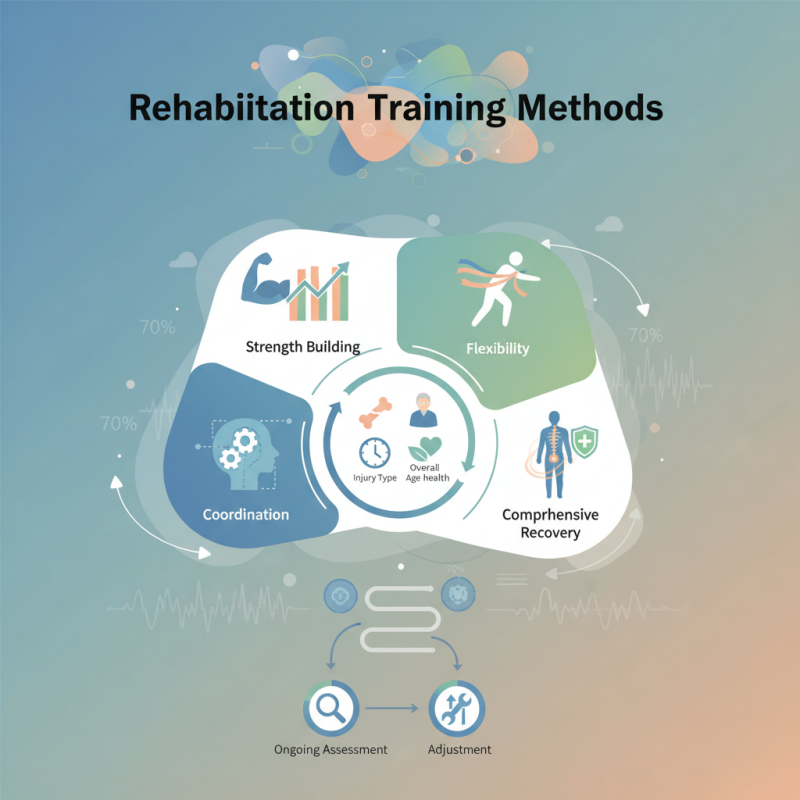
In the landscape of rehabilitation, multiple strategies exist, each with unique benefits. For instance, some methods focus on strength building, while others emphasize flexibility or coordination. A study published in the Journal of Rehabilitation Research found that integrating these diverse approaches can lead to a more comprehensive recovery experience.
Selecting the optimal Rehabilitation Training Methods requires careful consideration of individual needs. Factors such as injury type, patient age, and overall health play a significant role. However, many practitioners may overlook the importance of ongoing assessment and adjustment of these methods during recovery. This reflection can lead to improved patient satisfaction and outcomes, making continuous learning essential for professionals in the field.
Identifying the Goals of Rehabilitation and Recovery
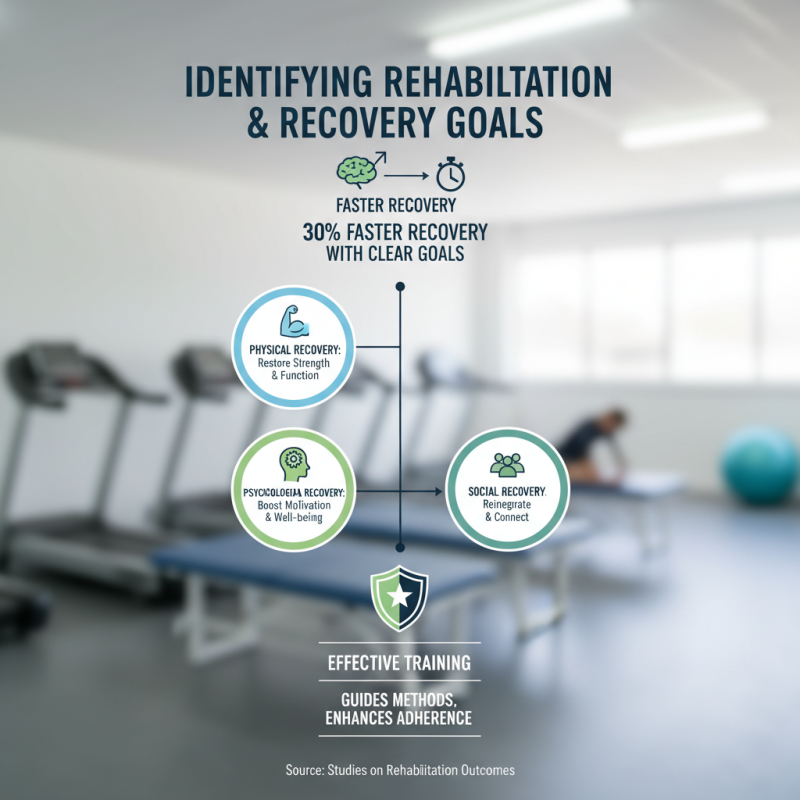
Identifying the goals of rehabilitation and recovery is crucial for effective training methods. Establishing clear objectives helps guide the rehabilitation process. Studies show that individuals with defined goals see a 30% faster recovery rate. Goal-setting enhances motivation and adherence to training programs. Specific targets can reflect physical, psychological, and social dimensions of recovery.
For example, physical goals could involve regaining a particular range of motion or strength. Psychological goals might focus on resilience and improving mental health. These targets should be measurable and time-bound. In a survey by the American Physical Therapy Association, 70% of patients preferred structured recovery goals. However, it's essential to note that not all goals are achievable. Some may need adjustment based on progress or setbacks.
The process involves collaboration between therapists and patients. Open communication fosters trust and can lead to better outcomes. A holistic approach considers the individual's lifestyle and motivation levels. Reflecting on previous experiences can offer insights into realistic goal-setting. Balancing ambition with pragmatism is key. Goals should challenge but not overwhelm.
Evaluating Different Rehabilitation Training Methods
When evaluating different rehabilitation training methods, it’s essential to consider individual needs. Not every method suits every person. For instance, some might respond well to resistance training, while others may benefit from flexible stretching techniques. Personal goals, physical conditions, and mental readiness all influence the effectiveness of a method.
One effective approach is to incorporate a mix of techniques. Combining strength, endurance, and balance training can yield better results. However, practitioners must remain flexible. Adjusting methods based on progress and feedback is crucial. This adaptive approach enables individuals to find what truly works for them.
Listening to the body's signals is vital in any rehabilitation process. Pain can indicate an unsuitable method or excessive strain. Reflecting on discomfort can help refine training choices. Ultimately, a method's reliability comes from ongoing assessment and adjustment. Continuous evaluation fosters better recovery outcomes and cultivates a deeper understanding of personal limits.
Understanding Individual Needs and Personalization
Choosing the right rehabilitation training methods requires a deep understanding of individual needs. Everyone's recovery journey is unique. Factors such as age, injury type, and personal preferences all play a role. Tailoring methods based on these variables can enhance effectiveness.
Tips: Conduct assessments to determine specific needs. Consult with professionals who specialize in rehabilitation. Their expertise can guide you in selecting personalized strategies.
Personalization also involves being open to change. What works for one person may not work for another. You might start with a method, only to find it isn't effective. It's important to reflect on your progress regularly and adapt as needed. Flexibility is key in this process.
Tips: Keep a journal to track your experiences. This can help in recognizing patterns over time. Don't hesitate to communicate with your rehabilitation team. They can provide insights and adjustments based on your feedback.
How to Choose the Best Rehabilitation Training Methods for Recovery?
| Training Method |
Target Group |
Effectiveness |
Duration |
Notes |
| Strength Training |
Post-surgery patients |
High |
6-8 weeks |
Focus on muscle recovery |
| Physical Therapy |
Sports injuries |
Moderate |
4-12 weeks |
Customizable based on injury |
| Aquatic Therapy |
Elderly patients |
High |
8-10 weeks |
Low impact on joints |
| Occupational Therapy |
Neurological patients |
Moderate to High |
3-6 months |
Focus on daily living activities |
| Cognitive Rehabilitation |
Brain injury patients |
High |
6-12 weeks |
Improves memory and problem-solving |
Incorporating Evidence-Based Practices in Rehabilitation
Choosing effective rehabilitation training methods is crucial for optimal recovery. Incorporating evidence-based practices can lead to better outcomes. Evidence-based practices are built on research and real-world effectiveness. They provide reliable frameworks for rehabilitation.
Tips: Identify what works best for you. Personal experiences are invaluable. For instance, patient feedback can guide adjustments in a treatment plan. Consult qualified professionals who specialize in rehabilitation. Their expertise is essential for proper guidance.
Integration of evidence-based methods can enhance motivation. Set clear, achievable goals throughout your recovery process. Goals that are attainable help maintain focus. Regularly re-evaluate your progress; it's okay to reflect on setbacks. Each challenge is a learning opportunity, leading to greater resilience and strength.
Monitoring Progress and Adjusting Training Approaches
Monitoring progress in rehabilitation requires a structured approach. Experts recommend regular evaluations to modify training strategies as needed. According to a recent report from the American Physical Therapy Association, adaptive strategies significantly enhance recovery effectiveness. Failing to track progress can lead to stagnation, where patients plateau in their healing journey.
Data shows that patients who engage in weekly assessments are 25% more likely to achieve their recovery goals. This frequency allows trainers to identify areas needing improvement. Adjustments can include varying exercise intensity or altering routine schedules. For instance, a shift from strength training to flexibility exercises can spark renewed progress. Flexibility is crucial; sticking rigidly to a plan may hinder recovery.
Rehabilitation is not one-size-fits-all. What works initially for a patient might lose effectiveness over time. Unforeseen circumstances, like added stress or physical setbacks, may require a complete reassessment of the training regimen. Continuous reflection and adaptation are necessary for the best outcomes.