How to Effectively Share Rehabilitation Resources for Optimal Recovery?
Effective recovery relies heavily on accessible rehabilitation resources. Many patients struggle to find the right tools for their recovery journeys. Rehabilitation Resource Sharing can bridge this gap. By pooling resources, communities can foster collaboration. Shared information leads to better outcomes for everyone involved.
Consider a local physical therapy group sharing their exercise protocols. A simple innovation can change lives. Patients may learn from one another. They can share tips and motivational experiences. Resource sharing creates a supportive network. Yet, challenges often arise. Some resources may not fit everyone's needs. Personalization is important, but so is access.
The key is to embrace open communication. Information should flow freely among providers and patients. Sharing can be a two-edged sword; it may overwhelm some with choices. Still, tailored support can guide the way. Thoughtful sharing creates a pathway to optimal recovery.
Understanding Rehabilitation Resources and Their Importance
Rehabilitation resources play a crucial role in the recovery process. Understanding these resources can significantly impact the journey to recovery. Different facilities, tools, and support systems provide essential help. A variety of therapies are available, each tailored to specific needs. These may include physical therapy, occupational therapy, and counseling. Finding the right combination can be challenging.
Accessing resources is often not straightforward. Some may have difficulty locating local facilities or understanding services offered. Others might feel overwhelmed by the choices available. It’s essential to take time to research and prioritize what fits best. Connecting with healthcare providers can guide individuals in finding suitable options. They can clarify what types of therapy and support will aid recovery.
Sharing knowledge about available resources is vital. Many people don’t realize the extent of help accessible to them. Regular workshops can help spread awareness. Community events can bring together those in recovery and those who have already succeeded. Peer support can foster motivation and encouragement. Creating a culture of sharing experiences may inspire others to seek the help they need.
Rehabilitation Resource Effectiveness
This bar chart illustrates the effectiveness ratings of various rehabilitation resources. The ratings, on a scale from 1 to 10, highlight the perceived effectiveness of each resource in contributing to optimal recovery.
Identifying the Needs of Individuals in Recovery
Understanding the unique needs of individuals in recovery is essential for their successful rehabilitation. Everyone’s journey is different, filled with distinct challenges and accomplishments. Some may require emotional support, while others need practical life skills or medical guidance. Recognizing these varied requirements fosters a more tailored approach to recovery.
Communication plays a crucial role in identifying these needs. Regular check-ins can unveil underlying issues or anxieties that might not be immediately apparent. Many individuals may hesitate to voice their struggles. It’s important to create a safe environment for open dialogue. Sometimes, the simplest questions lead to profound insights. What do you need right now? How can I help you feel more supported?
Furthermore, flexibility in resource sharing can enhance recovery. Not every resource fits every person. Some might find comfort in group therapy, while others prefer one-on-one counseling. It is vital to remain adaptable and willing to change plans as recovery progresses. It’s a continuous learning process for both individuals and their support systems.
How to Effectively Share Rehabilitation Resources for Optimal Recovery? - Identifying the Needs of Individuals in Recovery
| Resource Type |
Description |
Target Audience |
Accessibility |
| Counseling Services |
Individual counseling for emotional support and coping strategies. |
Individuals in recovery from addiction |
Available in-person and online |
| Support Groups |
Peer-led groups offering shared experiences and support. |
All stages of recovery |
Local community centers and virtual options |
| Educational Workshops |
Workshops on coping skills, mindfulness, and recovery strategies. |
Individuals and families |
Community centers and online platforms |
| Healthcare Access |
Access to medical care and rehabilitation services. |
Individuals requiring medical support |
Hospitals and clinics |
| Online Resources |
Websites and forums providing information and community support. |
General public and those in recovery |
Accessible globally via internet |
Strategies for Efficient Distribution of Rehabilitation Resources
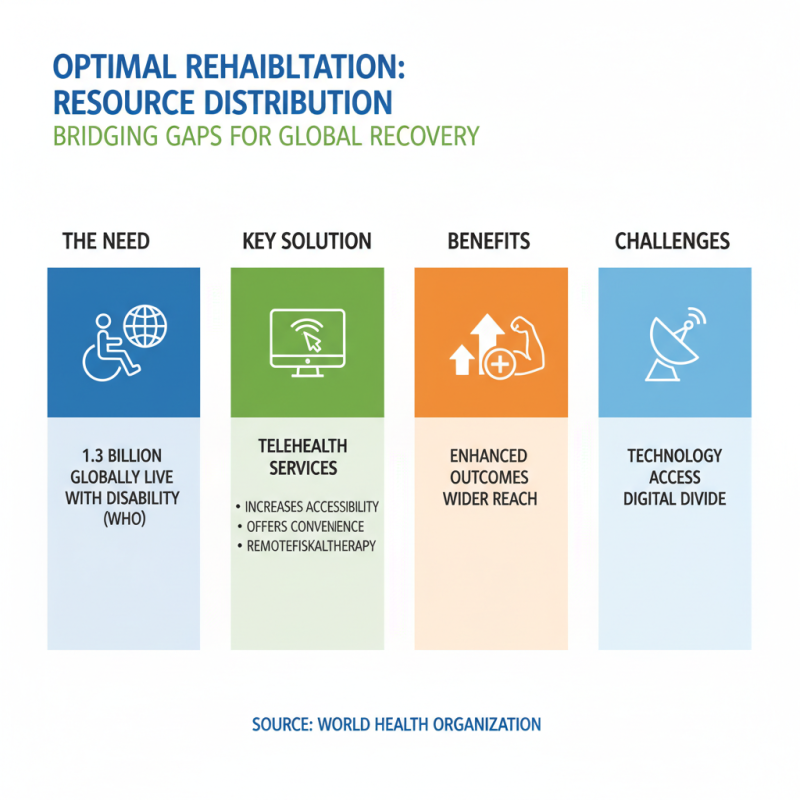
Effective distribution of rehabilitation resources is crucial for optimal recovery. A study by the World Health Organization indicates that approximately 1.3 billion people worldwide live with some form of disability. Ensuring these resources reach those in need can significantly enhance rehabilitation outcomes. For instance, utilizing telehealth services can bridge the gap in areas with scarce physical therapy options. This approach offers convenience and increases accessibility, but it still faces hurdles, such as technology access for some patients.
Engaging local communities is vital in the resource distribution process. According to a report by the National Institutes of Health, community-based programs can lead to a 25% reduction in hospital readmissions. However, these initiatives often encounter challenges in sustaining volunteers and resources. Improving awareness and training at the community level could enhance participation. Building collaborations between organizations can also leverage expertise, yet miscommunication can lead to inefficiencies. There’s a need to regularly evaluate these partnerships to ensure they serve those effectively.
Utilizing Technology to Enhance Resource Sharing
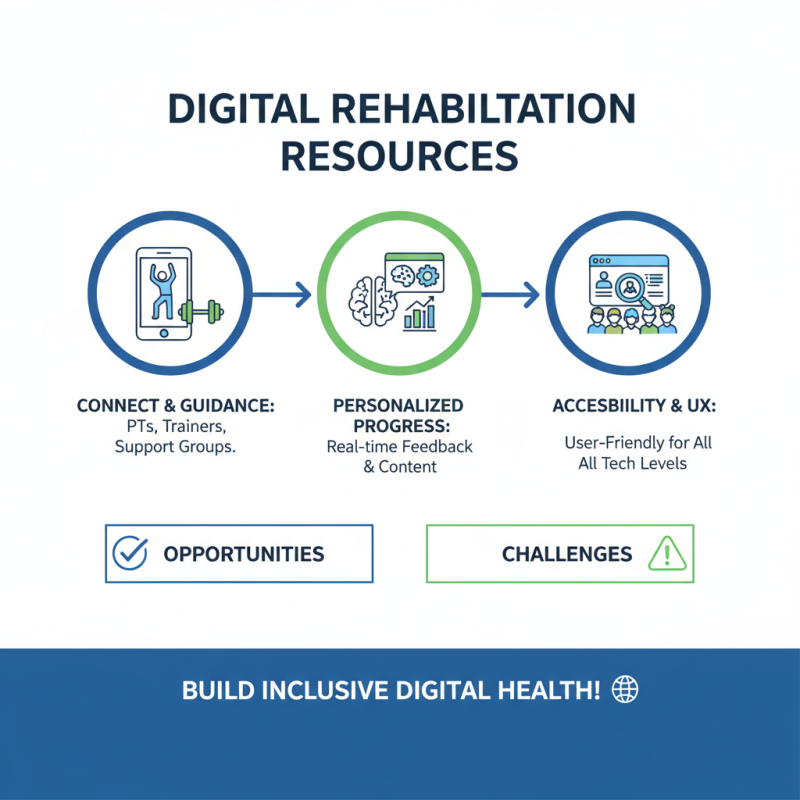
In today’s digital age, technology offers immense opportunities to share rehabilitation resources. Apps and online platforms can connect patients with physical therapists, trainers, and support groups. They can also provide real-time feedback and personalized content. However, not all resources are user-friendly or accessible to everyone. It's essential to build user interfaces that cater to various levels of tech-savviness.
Social media is another effective tool for resource sharing. It can foster community support and provide inspirational stories. Users can share their journeys, setbacks, and triumphs. Yet, online information can be misleading. Not all shared experiences are beneficial or safe. Hence, it's crucial to have reliable sources for guidance. Users may also face challenges in discerning credible resources from unverified ones.
Embracing telehealth services can streamline access to professionals. Virtual consultations save time and reduce barriers. Nevertheless, the effectiveness of virtual therapy depends heavily on the user's comfort with technology. Some individuals may still prefer in-person interactions. Balancing tech solutions with traditional methods will enhance recovery efforts for everyone.
Building Support Networks for Sustainable Recovery Efforts
Building support networks is crucial for effective rehabilitation. Studies show that individuals connected to support groups have a 70% higher chance of long-term recovery. These networks provide emotional backing and practical resources. They can also help diminish feelings of isolation, which often leads to setbacks.
Creating a reliable support system requires intentional efforts. Engaging with local communities can help in finding resources. Establishing regular meetings or online forums allows for shared experiences. It's essential to acknowledge that not all efforts yield immediate results. Some connections may not work out. You have to keep trying until you find the right fit.
Research indicates that social support leads to better recovery outcomes. For instance, patients with strong social ties report feeling more motivated. They tend to adhere to treatment plans more effectively. Yet, building these networks can be challenging. Many may feel reluctant to reach out. Others might fear judgment. Overcoming these barriers is vital. We must cultivate an open atmosphere that encourages sharing and connection.