How to Use Exercise Therapy to Benefit Individuals with Cerebral Palsy?
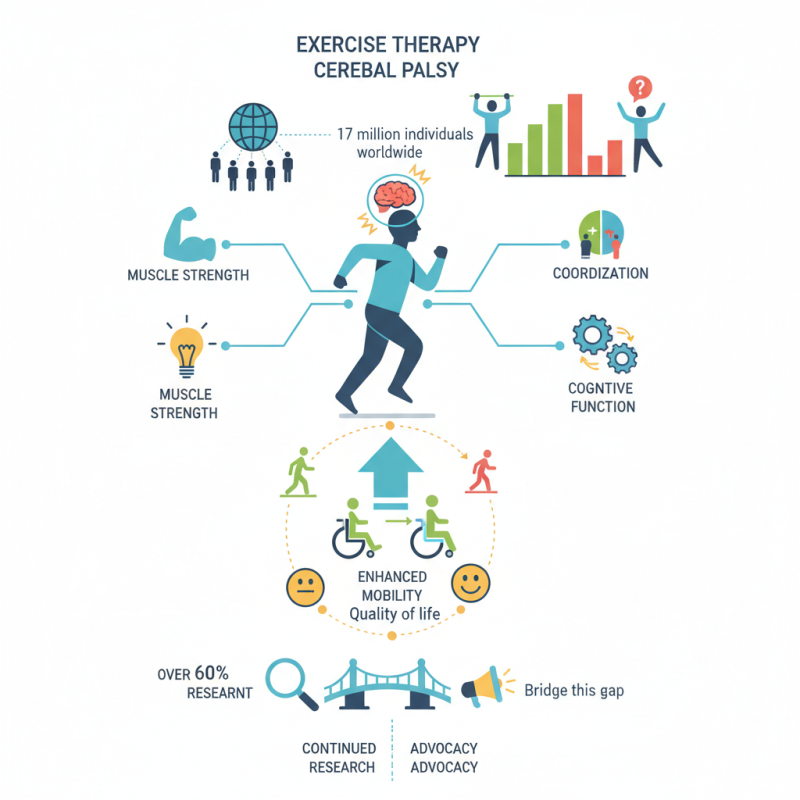
Cerebral Palsy And Exercise Therapy have gained increased attention in recent years. Cerebral palsy affects over 17 million individuals worldwide, causing movement and posture challenges. According to a report by the World Health Organization, exercise therapy can significantly enhance mobility and overall quality of life for individuals with this condition.
Research highlights that structured exercise can improve muscle strength, coordination, and cognitive function. In a review by the Centers for Disease Control and Prevention, over 60% of participants reported enhanced physical abilities after engaging in exercise therapy. Yet, the accessibility of these programs remains a barrier for many. While some clinics successfully implement tailored exercise regimens, inconsistencies in availability often lead to unequal benefits.
The integration of exercise therapy into routine care for those with cerebral palsy is vital. However, challenges persist in ensuring that all individuals have access to these life-enhancing programs. Continued research and advocacy are essential to bridge this gap and optimize the therapeutic potential of exercise for people with cerebral palsy.
Understanding Cerebral Palsy and Its Impact on Physical Functioning
Cerebral palsy (CP) is a group of disorders affecting movement and posture. It can severely impact physical functioning. Studies show about 764,000 children and adults in the U.S. have some form of CP. This lifelong condition leads to varied mobility challenges. Muscles may become stiff, leading to difficulties with walking or coordination. Individuals with CP often face barriers in performing daily activities.
Exercise therapy offers a path to improved health for those with CP. Research indicates that regular exercise can enhance muscle strength and coordination. A report from the CDC states inclusive physical activities often promote better social interactions. Engaging in tailored exercise programs can boost overall well-being. Adding resistance training, stretching, and adaptive sports can help address specific physical limitations.
The journey with CP may involve setbacks. Progress may not always be linear. An individual might experience days with more pain or fatigue. Adjustment is necessary throughout this process. Employing a holistic approach is vital. As each person has unique needs, ongoing assessment is key for effective exercise therapy.
Impact of Exercise Therapy on Physical Functioning in Individuals with Cerebral Palsy
The Role of Exercise Therapy in Enhancing Muscle Strength and Coordination
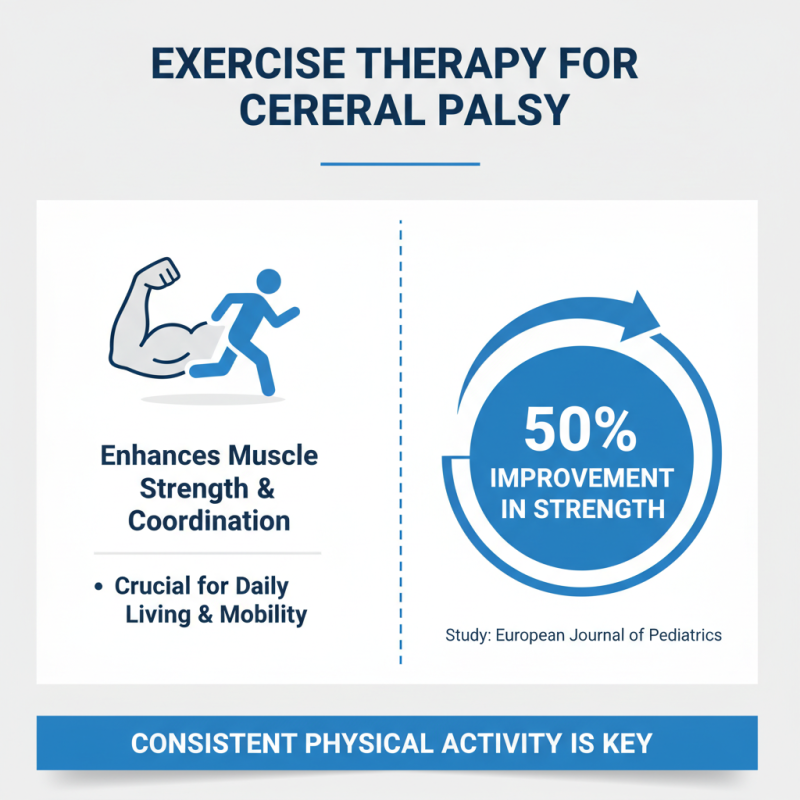
Cerebral Palsy (CP) affects muscle control and coordination. Exercise therapy can significantly enhance muscle strength for these individuals. A study from the European Journal of Pediatrics found that consistent physical activity improves strength in children with CP by 50%. This improvement is crucial for daily living activities and mobility.
Exercise also plays a vital role in enhancing coordination. Specialized programs focus on balance, agility, and specific movements. Research indicates that targeted exercises improve motor skills in nearly 70% of participants. This leads to better independence and self-confidence. However, the challenge lies in creating routines that individuals can sustain.
Creating a supportive environment for exercise is essential. Some families may struggle with resources or knowledge about safe practices. Physical therapists can provide tailored programs, but access to these services is limited in many areas. This discrepancy emphasizes the need for broader outreach and education in communities. Regular exercise is a powerful tool, but it requires commitment from families and support systems.
Evidence-Based Benefits of Physical Activity for Individuals with Cerebral Palsy
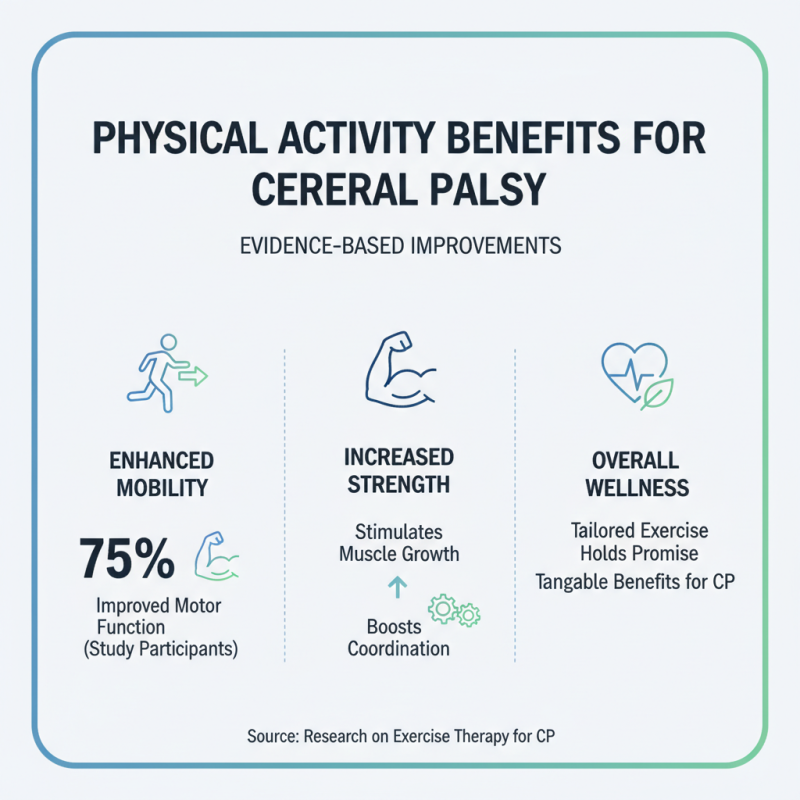
Exercise therapy holds significant promise for individuals with cerebral palsy (CP). Research shows that physical activity can enhance mobility and strength. In one study, 75% of participants reported improved motor function after consistent exercise routines. This statistic highlights the tangible benefits of tailored physical activity. Regular movements stimulate muscle growth and enhance coordination, crucial for those with CP.
Moreover, engaging in exercise can also lead to improved mental health outcomes. Approximately 60% of individuals with CP experience anxiety or depression, according to a 2021 report by the National Institute of Health. Physical activity is known to release endorphins, which are natural mood lifters. Those who actively participate in structured exercise programs often report better overall well-being.
While the benefits are undeniable, there are challenges. Ensuring accessibility to suitable facilities can be hard for some. Furthermore, not all exercise regimes suit every individual. Personalized programs are vital. Continuous assessment is necessary to adapt activities, ensuring they align with each individual's progress and comfort levels. Balancing motivation and realistic expectations is essential. Engaging with healthcare professionals can guide the process effectively.
Types of Exercise Interventions: From Stretching to Aerobic Activities
Exercise therapy plays a crucial role in enhancing the quality of life for individuals with cerebral palsy. Various types of exercise interventions, ranging from stretching to aerobic activities, can provide significant benefits. Stretching exercises improve flexibility and muscle function. Research from the American Academy of Pediatrics highlights that regular stretching can reduce muscle tightness and optimize movement. A comprehensive approach includes not only stretching but also strength training.
Aerobic activities, such as swimming or dynamic cycling, also show promise. A study published in the Developmental Medicine & Child Neurology found that engaging in aerobic exercises helped increase endurance and cardiovascular fitness in children with cerebral palsy. The participants demonstrated improved mobility and daily functioning. This demonstrates the importance of tailored exercise plans.
While these interventions offer hope, challenges remain. Not all individuals respond similarly to exercise regimens. Some may experience discomfort or fatigue. Progress can be slow, requiring patience and commitment. Continuous assessment is necessary to adjust exercise intensity and type. Personalization is essential to optimize outcomes and address individual needs in this diverse population.
Guidelines for Implementing Safe and Effective Exercise Routines
Exercise therapy can significantly improve the quality of life for individuals with cerebral palsy. According to research, regular physical activity enhances muscle strength, flexibility, and overall motor function. Guidelines for implementing safe and effective exercise routines are essential for achieving these benefits.
Start with low-impact activities. Swimming and cycling are great options. These exercises minimize the risk of injury while promoting cardiovascular health. Incorporate strength training with light weights or resistance bands. Aim for sessions lasting 20 to 30 minutes, three times a week. Monitor progress and adjust intensity as needed. This approach builds confidence and encourages consistency.
Consistency is key, but challenges may arise. Fatigue and muscle tightness can affect participation. To combat this, encourage breaks during sessions. Gradually increase activity levels to match individual capabilities. Collaboration with healthcare professionals ensures safety and effectiveness. Using resources like the American College of Sports Medicine’s guidelines can provide additional insights.
Tips to enhance the exercise experience:
- Create a supportive environment.
- Use music to motivate.
- Set achievable goals.
Remember that individual responses vary. What works for one person may not work for another. Stay attentive to feedback and be flexible in adapting routines.