Best Practices for Rehabilitation and Recuperation Strategies?
Rehabilitation and recuperation are crucial for recovery in various fields, including medicine and sports. According to the World Health Organization, around 1 billion people worldwide experience disabilities. Effective strategies can significantly improve their quality of life.
Recent studies emphasize individualized approaches for rehabilitation and recuperation. For example, the National Institutes of Health highlight the importance of tailored programs for patients recovering from surgeries or injuries. Data shows that these personalized plans can enhance recovery outcomes by up to 30%. This statistic underscores the need for focused strategies.
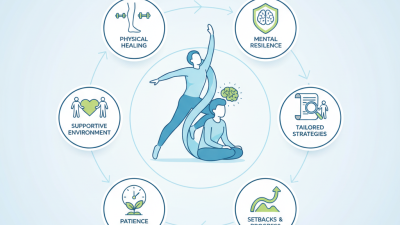
However, not all methods yield successful results. Some rehabilitation practices may overlook patient psychology, as stress can hinder physical recovery. A comprehensive strategy must balance physical and mental health. Thus, recognizing the complexities of rehabilitation and recuperation is vital for successful outcomes. We must continue to refine these practices based on ongoing research and feedback from practitioners.
Best Practices in Rehabilitation: An Overview of Effective Strategies
Rehabilitation plays a crucial role in recovery. Effective strategies can greatly enhance outcomes. One study shows that early intervention can reduce recovery time by over 30%. Tailoring plans to individual needs is essential. It boosts motivation and ensures engagement.
Another important aspect is integrating mental health support. Research indicates that over 60% of patients experience psychological barriers during rehabilitation. Addressing these barriers can improve adherence to recovery plans. Techniques such as cognitive-behavioral therapy can be effective. They help patients cope with emotional challenges and set realistic goals.
Physical rehabilitation often uses a combination of exercises and modalities. Data suggests that a mix of aerobic and strength training yields the best results. However, many patients struggle with consistent application. Making rehabilitation flexible and accessible can help. Regular check-ins and support groups can provide the necessary encouragement. Building a support network is crucial for maintaining momentum.
Understanding the Role of Physical Therapy in Recovery Processes
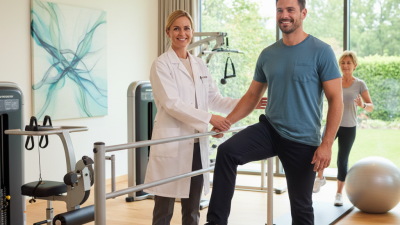
Physical therapy plays a pivotal role in rehabilitation and recuperation strategies. Research shows that early involvement in physical therapy can reduce recovery time by up to 30%. This is particularly significant for patients recovering from surgeries or serious injuries. Tailored physical therapy programs help patients regain strength, improve mobility, and reduce pain.
Tips: Listen to your body. Pain is a signal. If exercises cause discomfort, modify them. Communication with your therapist is essential for personalized recovery.
Incorporating exercises such as stretching, strength training, and functional movements can enhance recovery. A study in the Journal of Rehabilitation Research found that patients who engaged in these activities showed a 25% increase in functional abilities within just six weeks.
Tips: Set realistic goals. Progress might be slow, and that’s okay. Celebrate small victories to stay motivated.
Furthermore, consistency is key in recovery processes. Patients attending regular sessions typically achieve better outcomes. Collaboration between healthcare professionals can further enhance recovery plans, ensuring a holistic approach to patient care.
Best Practices for Rehabilitation and Recuperation Strategies
| Strategy |
Description |
Benefits |
Physical Therapy Role |
| Progressive Mobilization |
Gradually increasing physical activity |
Improves range of motion and reduces stiffness |
Guides exercises and ensures proper techniques |
| Strength Training |
Focusing on building muscle strength |
Enhances functional abilities and stability |
Designs specific strength programs for individual needs |
| Pain Management Techniques |
Utilizing modalities like ice, heat, and TENS |
Reduces pain and facilitates engagement in therapy |
Educates on pain management and applies modalities |
| Functional Training |
Training for daily activities and sports |
Prepares individuals for real-life scenarios |
Implements tailored activities based on goals |
| Education and Self-Management |
Teaching techniques for self-care and injury prevention |
Empowers individuals to take control of their recovery |
Provides resources and strategies for home management |
Key Nutritional Guidelines to Enhance Healing and Recuperation
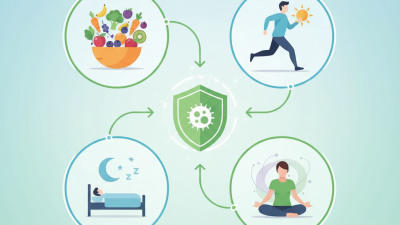
When it comes to rehabilitation, nutrition plays a crucial role in enhancing healing. A balanced diet supports recovery by providing essential nutrients. Focus on including a variety of whole foods, like fruits, vegetables, lean proteins, and whole grains. These foods supply vitamins and minerals that are vital for tissue repair.
Tips: Consider adding colorful fruits and veggies to your meals. Bright colors often mean more nutrients. Aim for a rainbow on your plate; it can make meals enjoyable.
Protein is another key element. It aids in muscle repair and recovery. If you struggle to incorporate enough protein, think about including eggs, beans, or dairy products. For some, adjusting habits can be challenging. Your body may need different protein sources based on your activity level and recovery needs.
Hydration also significantly impacts recovery. Drinking sufficient water helps maintain cellular function. Sometimes, you might forget to drink enough throughout the day. Set reminders to help stay on track. A well-rounded hydration routine can promote faster healing and support overall recovery.
Psychological Support: The Importance of Mental Health in Rehabilitation
Psychological support is crucial in rehabilitation. Mental health directly impacts recovery outcomes. A survey by the American Psychological Association found that 68% of patients reported improved physical recovery with mental health support. This highlights the connection between mind and body in healing.
In rehabilitation settings, mental health issues can hinder progress. Anxiety and depression are common among patients. Research indicates that 30% of rehabilitation patients experience significant psychological distress. Addressing these issues is vital. Techniques such as mindfulness and cognitive-behavioral therapy can be effective. These strategies equip patients with skills to cope with stress and improve engagement.
Building a support system is essential. Family involvement can enhance motivation. Furthermore, peer support groups offer shared experiences, creating a sense of belonging. Developing programs that include psychological components can lead to a more holistic recovery. However, understanding that individual needs vary is crucial. Each patient’s journey is unique. Tailoring approaches to fit personal circumstances can make a significant difference.
Mental Health Support Strategies in Rehabilitation
Evidence-Based Approaches: Measuring the Success of Recovery Strategies
Rehabilitation and recuperation strategies are crucial in recovery. Evidence-based approaches measure success effectively. These methods prioritize data and scientific findings. Tracking progress can enhance the recovery experience significantly. Many hospitals use standard metrics for evaluating outcomes. This allows professionals to identify what works best.
Tips for measuring recovery: Start with baseline assessments. Regularly collect data on patient performance. Use surveys and physical tests to gauge improvement. It’s important to adjust strategies based on feedback. Stay flexible in your approach. Not all methods are universal. Some patients may respond differently.
Keep in mind that recovery isn’t linear. Setbacks are common and should be expected. Emotional well-being plays a key role in physical recovery. Ensure support systems are in place. Open communication about struggles can lead to better strategies. Resilience is built through these challenges.