Why is Rehabilitation Physiotherapy Equipment Essential for Recovery?
Injuries and surgeries can leave individuals in pain and struggling. Recovery often feels daunting. Effective rehabilitation is crucial. One vital component of this process is Rehabilitation Physiotherapy Equipment. This equipment plays a significant role in restoring mobility and strength. It can help patients regain functions lost during illness or injury.
Rehabilitation Physiotherapy Equipment is designed to meet specific needs. It varies from basic tools to advanced machines. Some examples include exercise bands, treadmills, and resistance devices. Each piece serves a unique purpose in the recovery journey. Proper use of this equipment can greatly enhance rehabilitation outcomes. However, patients sometimes struggle to adapt. Understanding how to use each piece correctly is essential.
Many people overlook the importance of this equipment. They may feel discouraged by their limitations. But with the right tools, progress is possible. This journey requires patience, consistency, and effort. Rehabilitation Physiotherapy Equipment can be the key to overcoming challenges. Patients must embrace it as part of their recovery strategy.
Understanding the Role of Rehabilitation Physiotherapy Equipment
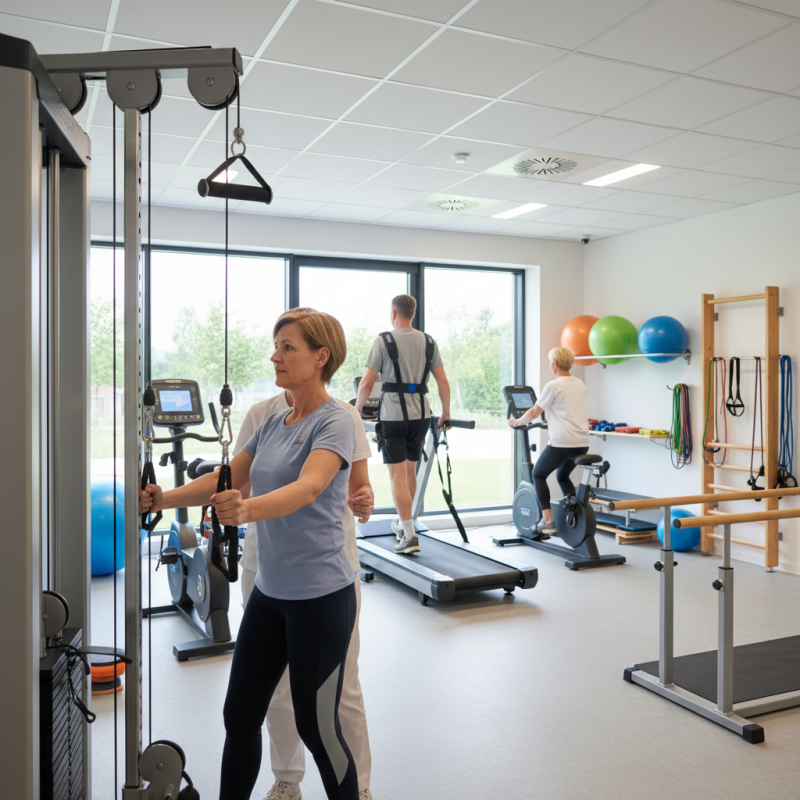
Rehabilitation physiotherapy equipment plays a crucial role in patient recovery. This gear is designed to assist individuals in regaining strength and mobility after injury or surgery. Common items include resistance bands, exercise balls, and treadmills. Each piece of equipment targets specific muscle groups. They help rebuild stamina gradually and safely.
Using this equipment can be daunting for many. Patients often feel frustrated by their slow progress. It's normal to encounter challenges. Sometimes, motivation wanes during rehabilitation. This experience can lead to a lack of confidence. In a busy clinic, the presence of various tools can be overwhelming. Yet, each item is essential in its own right.
Effective rehabilitation is a process, not a sprint. Patients may struggle with initial exercises. It’s important to communicate openly with therapists. Regular adjustments to routines can make a significant difference. Understanding individual needs fosters a more supportive environment. Engaging with the right equipment creates a pathway to recovery. Each session gradually builds a stronger foundation for future success.
Why is Rehabilitation Physiotherapy Equipment Essential for Recovery? - Understanding the Role of Rehabilitation Physiotherapy Equipment
| Equipment Type |
Purpose |
Benefits |
Target Patient Group |
| Therapeutic Ultrasound |
Reduce pain and inflammation |
Promotes healing of soft tissues |
Post-surgery patients, athletes |
| Electrical Stimulation Unit |
Stimulate muscle contractions |
Improves muscle strength and reduces atrophy |
Stroke victims, post-surgery patients |
| Resistance Bands |
Strength training and rehabilitation |
Improves flexibility and strength |
General rehabilitation |
| Treadmill |
Cardiovascular fitness and gait training |
Enhances mobility and stamina |
Patients recovering from leg injuries |
| Balance Training Equipment |
Enhance balance and coordination |
Reduces fall risk and improves stability |
Elderly patients, those with neurological conditions |
Types of Rehabilitation Physiotherapy Equipment and Their Functions
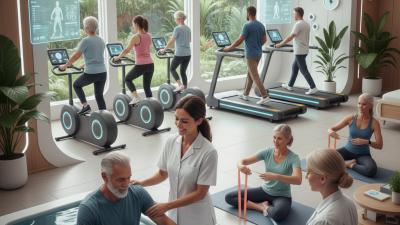
Rehabilitation physiotherapy equipment plays a crucial role in recovery. This equipment helps patients regain strength and mobility after injuries or surgeries. Each type of equipment serves a specific function, contributing to effective rehabilitation.
Resistance bands are commonly used to improve strength. They are versatile and convenient. Patients can use them at home or in therapy sessions. Free weights are another option. They help in building muscle and enhancing coordination. Patients often struggle with the right weight. Finding the perfect balance is essential for progress.
Therapeutic treadmills are also valuable. They aid in gait training and endurance building. Patients sometimes find them intimidating. Gradually increasing speed and incline can help build confidence. Balance boards and stability balls improve core strength and balance. Patients might not notice the subtle improvements initially. However, regular practice leads to noticeable gains over time. Each piece of equipment offers unique benefits, targeting different areas of recovery.
Benefits of Using Physiotherapy Equipment in Recovery Processes
Rehabilitation physiotherapy equipment is vital in the recovery process. It provides support and enhances rehabilitation efforts. Key benefits include improved mobility and strength. Patients often regain confidence as they use specialized tools. This equipment caters to specific needs. It adapts to various injuries, making recovery more effective.
Using equipment can sometimes be frustrating. Not every tool feels comfortable at first. Patients may need encouragement to continue. Yet, with patience, the right equipment brings remarkable progress. For example, resistance bands can help build strength gradually. They come in various tensions, providing options for all levels.
Moreover, the visibility of progress can motivate patients. Tracking improvements along the way is crucial. It shows hard work pays off. Physiotherapy equipment bridges the gap between initial therapy and full recovery. Even when challenges arise, equipment can make a significant difference. Adapting to using it can be a journey in itself.
Benefits of Using Physiotherapy Equipment in Recovery Processes
The Impact of Physiotherapy Equipment on Patient Motivation and Progress
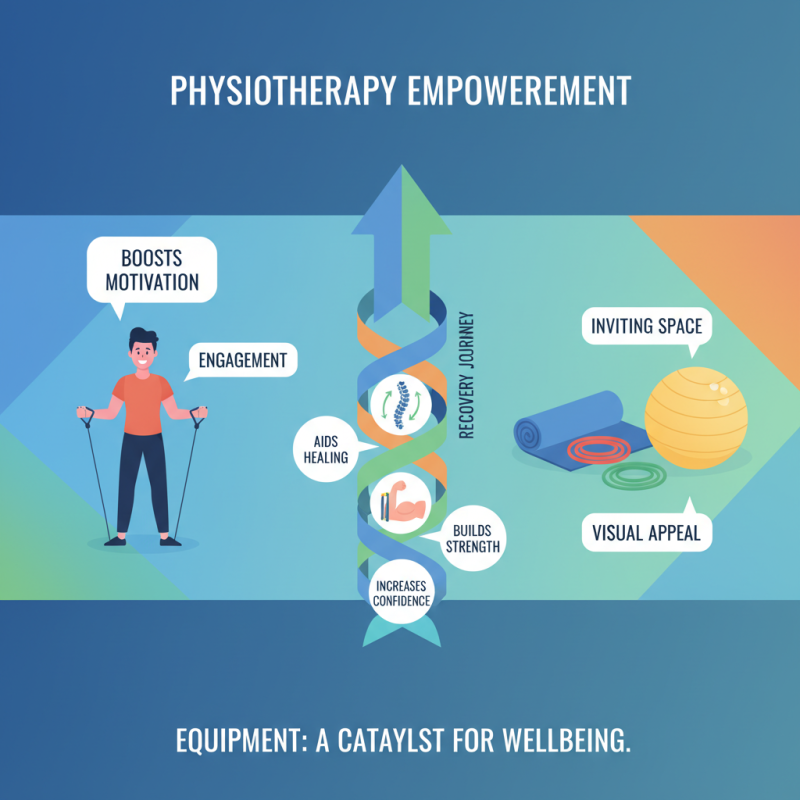
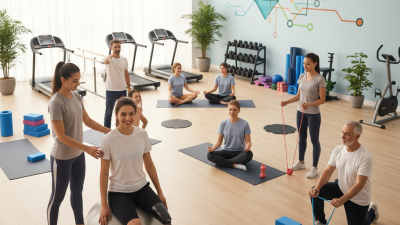
Physiotherapy equipment plays a crucial role in recovery. It not only aids in healing but also influences patient motivation. For many, seeing and using equipment can spark a sense of empowerment. The colorful mats, resistance bands, and gym balls create an inviting space. This visual appeal can make patients feel more engaged in their therapy sessions.
Patients often find it easier to push through discomfort when they have access to proper tools. The right equipment encourages them to set small, achievable goals. For instance, mastering a simple exercise with the aid of a resistance band can boost spirits significantly. The tangible progress from these exercises builds a sense of accomplishment. This incremental improvement is vital for mental wellness.
Tips for enhancing motivation include setting clear and achievable goals. Celebrate small victories, like completing a set of repetitions. This practice fosters a positive mindset. Perhaps create a reward system for completing specific exercises. Focusing on these details may help maintain momentum in recovery, even during tough days. It’s okay to feel frustrated sometimes; reflection can create opportunities for growth.
Future Trends in Rehabilitation Physiotherapy Equipment and Technology
The future of rehabilitation physiotherapy equipment is rapidly evolving. With advancements in technology, new devices are emerging that enhance recovery processes. For example, robotic-assisted therapy machines offer personalized exercises. These devices adapt to individual progress, making treatment more effective.
Virtual reality is another exciting trend. It immerses patients in engaging environments, which motivates them to perform exercises. This approach can lead to faster recovery as patients enjoy the process. However, accessibility remains a challenge. Not all facilities can afford the latest technology.
Another area worth exploring is data analytics. Wearable devices track patient performance over time. This data helps therapists adjust treatment plans accurately. Yet, the reliance on technology raises questions. Are we becoming too dependent on machines? Finding the right balance is crucial for effective rehabilitation.