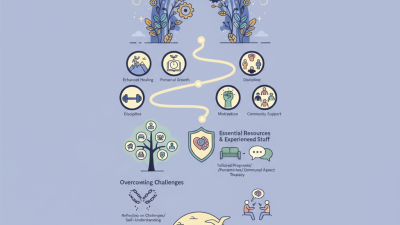
What is Rehabilitation Resource Sharing and Why is it Essential?
Rehabilitation Resource Sharing is becoming vital in today's healthcare landscape. According to the Rehabilitation Research and Training Center, about 50 million Americans live with some form of disability. This highlights the need for efficient resource sharing among rehabilitation professionals. By pooling knowledge and materials, healthcare providers can enhance treatment outcomes and reduce costs.
Despite advances in rehabilitation, many patients face access issues. The National Institutes of Health reports that 62% of individuals with disabilities do not receive necessary rehabilitation services. This gap emphasizes the importance of Rehabilitation Resource Sharing. Collaboration allows for better utilization of limited resources and innovative approaches to patient care.
Challenges remain in implementing effective sharing strategies. Barriers such as institutional silos and varying standards can hinder collaboration. However, embracing a culture of sharing can lead to significant improvements. By working together, healthcare professionals can provide comprehensive support that meets diverse patient needs. Thus, Rehabilitation Resource Sharing is not just beneficial; it is essential for progress in rehabilitation services.

Definition of Rehabilitation Resource Sharing
Rehabilitation Resource Sharing is a dynamic approach aimed at enhancing the effectiveness of rehabilitation services. It involves pooling resources, knowledge, and expertise among various stakeholders. This collective effort creates a support network beneficial to professionals and patients alike.
The essence of Rehabilitation Resource Sharing lies in its definition. It refers to the collaboration between institutions, practitioners, and communities. This collaboration allows for a more unified approach to rehabilitation. By sharing tools and methodologies, stakeholders can cultivate an environment where innovation thrives. Sharing resources can alleviate pressures on institutions, particularly in times of high demand.
However, implementing this sharing model presents challenges. Trust issues may arise among stakeholders. Some may hesitate to share valuable resources, fearing loss of control. Additionally, coordinating between different entities can be complex. This necessitates ongoing dialogue and commitment among all parties involved. Engaging all stakeholders transparently can help overcome these hurdles and foster a thriving rehabilitation ecosystem.
Key Components of Rehabilitation Resource Sharing
Rehabilitation Resource Sharing (RRS) is vital for effective recovery. It enhances the quality of care by connecting various professionals and resources. This collaboration is not always straightforward. Professionals often face barriers such as communication gaps and limited access to resources. Understanding these challenges is key to improving RRS.
At the heart of RRS are several components that drive success. First, the development of a shared knowledge base can significantly reduce misinformation. Having clear guidelines on resource availability helps everyone involved. Regular meetings can foster trust and improve communication among team members. Furthermore, utilizing technology can streamline the sharing process. However, reliance on technology can become a double-edged sword. Not all professionals are tech-savvy, which can lead to frustrations.
Another essential aspect is the
standardization of practices. Consistency in treatment protocols ensures all parties are on the same page. Yet, adhering to standardized practices can sometimes stifle creativity in treatment. Encouraging individual input can enhance collaboration while maintaining a unified approach. Balancing these elements is critical but often neglected in practice.
Benefits of Rehabilitation Resource Sharing in Healthcare
Rehabilitation resource sharing plays a vital role in healthcare. This concept allows different facilities to collaborate and utilize available resources more efficiently. By sharing specialized equipment and skilled personnel, healthcare providers enhance patient care. They can treat more individuals, reducing wait times and improving outcomes.
One significant benefit is cost-effectiveness. Hospitals and clinics can avoid purchasing duplicate resources. They can allocate funds to expand services or invest in new technologies. For smaller facilities, shared resources can be a lifeline, enabling them to offer competitive care without stretching their budgets too thin. However, challenges exist. Coordination can be complex, and differences in protocols may create barriers.
Another advantage is the pooling of expertise. When healthcare professionals from various institutions collaborate, they learn from each other. Such interactions foster innovation. They can address rare cases more effectively together. Yet, this approach requires trust and open communication. Without these elements, collaboration could fail, leading to missed opportunities.
The essence of rehabilitation resource sharing lies in its potential to improve patient care while highlighting the importance of teamwork and adaptability in the healthcare landscape.
Challenges and Barriers to Effective Resource Sharing
Resource sharing in rehabilitation is crucial for improving patient outcomes. However, there are significant challenges that often hinder effective collaboration. One major barrier is the lack of standardized practices among various institutions. Each facility may have different guidelines and procedures, leading to confusion and inefficiencies. This inconsistency can create gaps in care, with patients potentially receiving uneven levels of support.
Another challenge is the sharing of data and information. Many rehabilitation centers operate their internal systems, which are not always compatible. This fragmentation makes it difficult to exchange vital patient information in real time. As a result, professionals may miss important updates that affect a patient's recovery journey. Time-consuming manual transfers might be necessary, increasing the risk of errors.
Access to resources is not uniform across all facilities. Some may face budget constraints, limiting their capability to provide adequate tools and services. Rehabilitation specialists working in under-resourced settings might struggle to meet patient needs effectively. This disparity raises questions about equity and access in rehabilitation services, demanding a deeper reflection on overall systemic improvements.
What is Rehabilitation Resource Sharing and Why is it Essential? - Challenges and Barriers to Effective Resource Sharing
| Resource Type |
Description |
Challenges |
Barriers |
| Therapeutic Equipment |
Tools and devices used in rehabilitation processes such as wheelchairs, therapy balls, etc. |
High maintenance costs and need for regular updates. |
Lack of funding and unequal distribution of resources. |
| Information Systems |
Software and platforms for managing patient data and resource allocation. |
Difficulty in integration across systems and security concerns. |
Resistance to change and lack of technical expertise. |
| Human Resources |
Personnel including therapists, nurses, and admin staff. |
Shortage of skilled professionals and high turnover rates. |
Inadequate training and mentoring opportunities. |
| Financial Resources |
Funds allocated for rehabilitation programs and services. |
Competition for limited resources and funding cuts. |
Lack of awareness among decision-makers about rehabilitation needs. |
Future Trends in Rehabilitation Resource Sharing Practices
Future trends in rehabilitation resource sharing practices show a significant shift towards digital platforms. Many facilities are now utilizing technology to improve accessibility. Online databases allow practitioners to access a wider range of resources. This change also supports collaboration across various rehabilitation disciplines. As resources become more interconnected, the benefits multiply.
Sustainability is another key aspect. Sharing resources reduces redundancy, which in turn cuts costs. For instance, a community center can pool resources with nearby clinics. This not only saves money but also improves service delivery. However, challenges remain in establishing trust among partners. Ensuring quality control and managing shared responsibilities require careful planning.
Inclusivity is gaining attention. Diverse populations benefit from tailored resources that meet specific needs. Practitioners must be aware of cultural nuances. A one-size-fits-all approach is outdated. Engaging with community members can help make resources more relevant. By addressing these areas, rehabilitation resource sharing can evolve into a more effective model. The future is promising, with opportunities for improvement and growth.