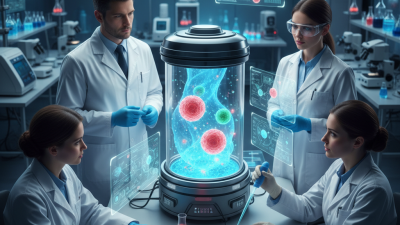
What is Stem Cell Neural Repair and How Can It Help?
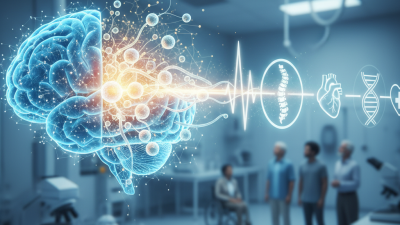
Stem-Cell Neural Repair represents a cutting-edge field in medical science. This area focuses on repairing damaged neural tissues using stem cells. Dr. Emily Carter, a leading expert in this field, states, "Stem-Cell Neural Repair has the potential to transform neurological treatments."
This technology aims to restore functions lost due to injury or disease. Disorders like spinal cord injuries and neurodegenerative diseases can greatly benefit from these advancements. Researchers are optimistic about the possibilities, but challenges remain. Ethical considerations and the complexity of neural networks create obstacles. The journey to effective therapies is still ongoing.
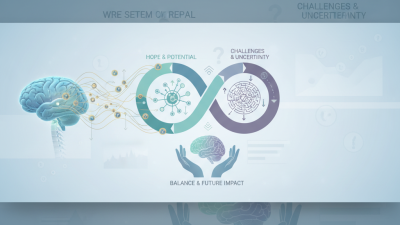
Despite the promise of Stem-Cell Neural Repair, many questions require further investigation. The success rates in clinical applications are not guaranteed. Each patient’s unique condition presents different challenges. Overall, the potential to heal and restore damaged neural pathways creates hope for many.
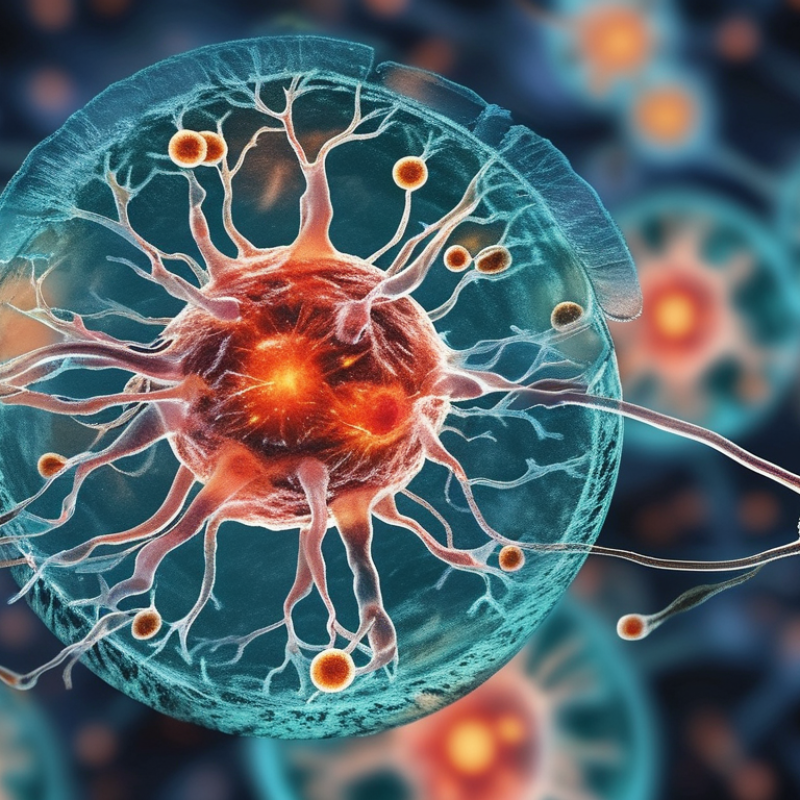
Understanding Stem Cells: Definition and Types
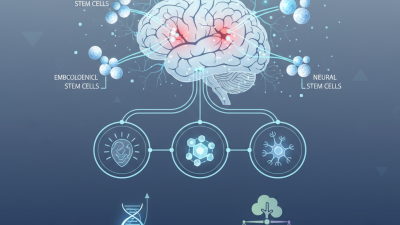
Stem cells represent a unique type of cell with the ability to develop into many different cell types. They are crucial for various biological processes, including growth, healing, and the maintenance of healthy tissues. There are two main types of stem cells: embryonic stem cells and adult stem cells. Embryonic stem cells can become any cell type in the body, while adult stem cells are more limited. They generally regenerate specific tissues, like blood or skin.
Recent reports suggest that neural repair using stem cells could revolutionize treatments for neurological conditions. A study by the National Institutes of Health estimated that over 1 million people in the U.S. suffer from spinal cord injuries. Stem cell therapy could potentially aid in recovery and restore mobility. Some studies show improved outcomes in animal models, but human applications remain uncertain. This disparity raises questions about the effectiveness and ethical implications of this therapy.
The complexity of neural pathways is daunting. While certain adult stem cells have shown promise, many hurdles remain. Research indicates only a small percentage of transplanted stem cells successfully integrate into host tissues. This variability highlights the need for ongoing research. Scientists remain hopeful but acknowledge that every success must be tempered with caution.
Mechanisms of Neural Repair: How Stem Cells Work
Stem cell neural repair represents a breakthrough in the treatment of neurodegenerative diseases. These cells possess the unique ability to differentiate into various cell types, including neurons and glial cells. Research indicates that stem cells can enhance the body's inherent repair mechanisms. A study published in the Journal of Neural Engineering found that transplanted stem cells can migrate to injury sites. This migration supports tissue regeneration and decreases inflammation, improving recovery outcomes.
The underlying mechanisms are complex, involving several pathways. For instance, stem cells secrete neurotrophic factors. These proteins promote neuron survival and growth, playing a critical role in neural repair. Data shows that treatments leveraging stem cells have resulted in up to 70% improvement in patients with spinal cord injuries. Yet, challenges remain. The efficiency of stem cell implantation varies significantly among individuals. Not every patient achieves the same level of recovery. This inconsistency raises questions about our understanding of stem cell biology.
Further exploration is crucial. Researchers are investigating the optimal types and sources of stem cells. Current studies emphasize the importance of the microenvironment surrounding stem cells. A supportive environment may enhance their functional integration into damaged tissues. Despite the promise of stem cell therapies, comprehensive protocols and standardized treatments are necessary. More controlled trials will provide clarity on the intricacies of these interventions.
Applications of Stem Cell Therapy in Neurological Disorders
Stem cell therapy has gained attention for its potential to treat various neurological disorders. Conditions like Parkinson’s disease, multiple sclerosis, and spinal cord injuries may benefit from this innovative approach. Stem cells have the unique ability to repair damaged tissues. They can differentiate into neurons and support cells within the nervous system. This process offers hope for patients who currently have limited treatment options.
One application of stem cell therapy is in stroke recovery. By injecting stem cells into the affected area, researchers aim to stimulate regeneration and improve motor function. Early studies show promising results, but the methods are still evolving. Not all patients respond the same way. Some may see significant improvements, while others may not.
Tips: Always consult with healthcare professionals before considering any stem cell treatments. Research ongoing clinical trials and stay updated on the latest findings. Understand that the results can vary widely per individual. It’s essential to have realistic expectations and engage in open discussions with medical experts. As the field progresses, new insights will emerge, shaping future treatments.
Challenges and Ethical Considerations in Stem Cell Research
Stem cell research has immense potential for neural repair. However, it is fraught with challenges and ethical dilemmas. One major concern is consent. Obtaining informed consent from donors, especially in cases involving embryos, is complex. Questions arise about ownership, rights, and moral implications.
Another challenge is the risk of tumorigenesis. Stem cells have the ability to divide indefinitely. This can lead to tumor formation if not controlled properly. Researchers must carefully monitor the growth of stem cells during therapies.
Ethical debates often center on the source of stem cells. Harvesting cells from embryos can spark controversy. This can overshadow potential benefits. Many people question the morality of destroying embryos for research. Addressing these ethical concerns is vital for the advancement of the field. Open discussions and transparent practices are essential. They can foster trust and acceptance among the public.
Stem Cell Research Impact on Neural Repair
This bar chart illustrates the potential impact of stem cell research on various neural repair applications, highlighting the estimated number of patients affected by conditions such as neurodegenerative disorders, brain injuries, spinal cord injuries, and stroke recovery.
Future Directions in Stem Cell Neural Repair Innovations
Recent advances in stem cell research hold promising potential for neural repair. Clinical trials are exploring the use of stem cells to regenerate damaged neurons in neurodegenerative diseases like ALS and Parkinson's. According to a report by the National Institutes of Health, up to 1 in 1000 people may be affected by such conditions. The hope is that stem cell therapy can provide new pathways for recovery.
Innovations in this field range from improved methods of cell transplantation to better targeted delivery systems. A study published in *Nature* indicated that embedding stem cells within a hydrogel matrix enhanced their survival rates and integration in neural tissues. Ongoing research highlights the need for refining techniques and understanding the complexities of the brain environment. Many challenges remain, particularly in ensuring the safety and efficacy of these treatments.
Tip: Always stay updated on the latest research findings from reputable medical journals. Networking with professionals in the field can also provide valuable insights. Addressing ethical considerations is crucial in stem cell research, as societal perceptions can impact funding and acceptance of new therapies. Fostering open discussions will help bridge gaps in understanding.
What is Stem Cell Neural Repair and How Can It Help? - Future Directions in Stem Cell Neural Repair Innovations
| Dimension |
Description |
Potential Benefits |
Future Innovations |
| Cell Type |
Induced Pluripotent Stem Cells (iPSCs) |
Potential to regenerate damaged neural tissues |
Advanced reprogramming techniques |
| Application Area |
Neurodegenerative Diseases |
Restoration of neuronal function |
Personalized medicine approaches |
| Clinical Trials |
Phase I & II Trials on Parkinson’s Disease |
Improved patient outcomes and quality of life |
Expansion to other neurological disorders |
| Challenges |
Ethical Issues, Tumorigenicity |
Safe and effective treatment options |
Development of safer cell lines |
| Regulatory Status |
Undergoing FDA review |
Market availability projections |
Streamlining approval processes |