Why Stem Cell Neural Repair is a Game Changer for Regenerative Medicine?
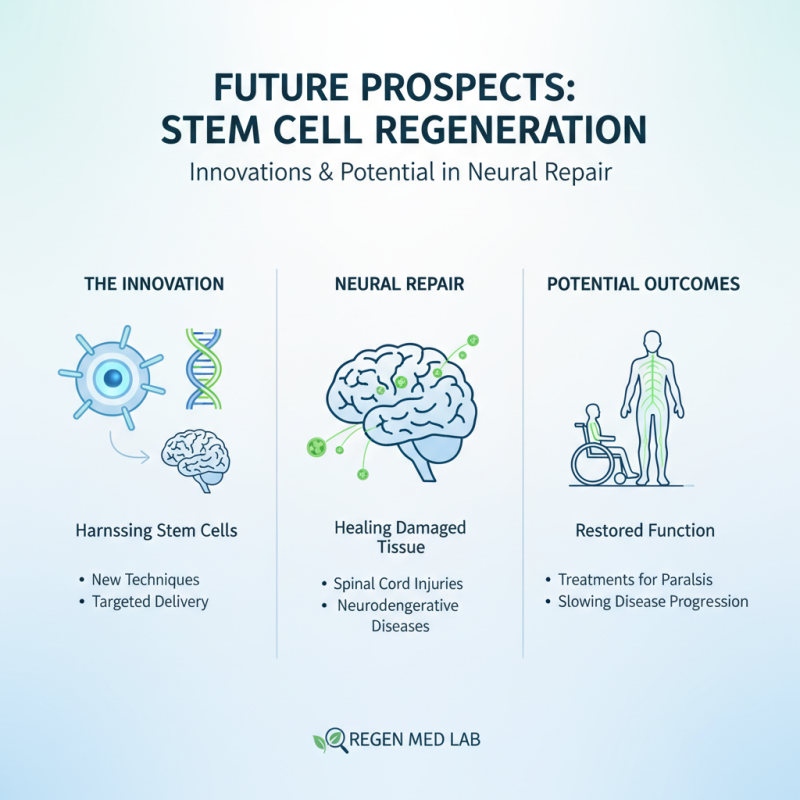
In the realm of regenerative medicine, Stem-Cell Neural Repair stands out as a revolutionary concept. This innovative approach aims to restore damaged neural tissues and functions. The potential to heal spinal cord injuries or neurodegenerative diseases is incredibly promising. Stem-cell therapies offer hope where traditional methods often fail.
Despite the excitement, challenges remain. Not all stem-cell therapies are equally effective. Researchers must navigate issues such as immune rejection and ethical considerations. Furthermore, the understanding of how these cells interact with complex neural networks is still developing. Unanswered questions persist about long-term effects and efficacy.
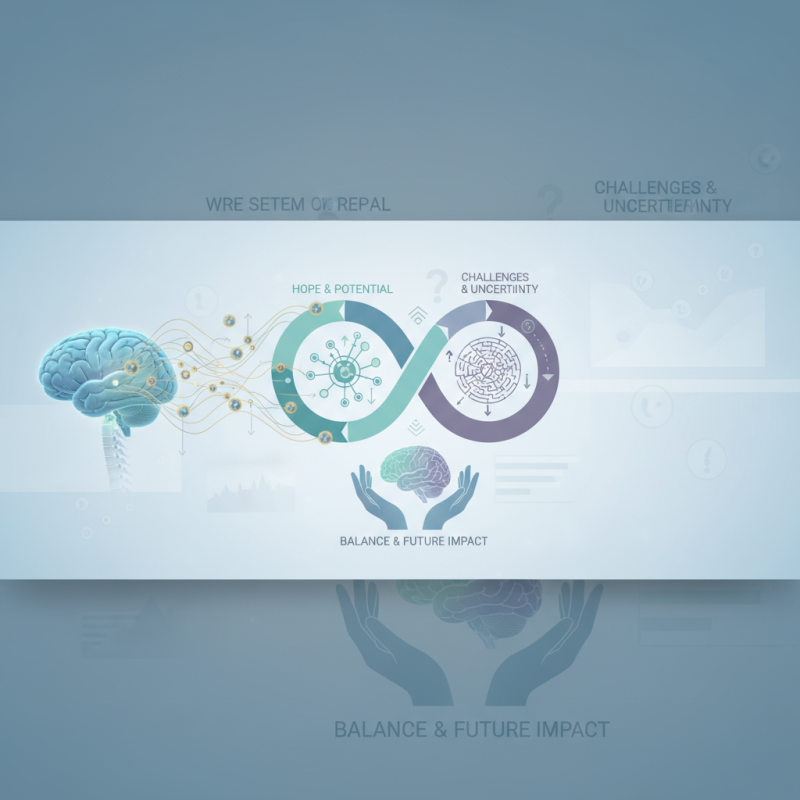
As we explore this groundbreaking field, it is crucial to remain cautious. Each success brings new challenges and reflections. The journey of Stem-Cell Neural Repair is one of both hope and uncertainty. Balancing optimism with critical inquiry will shape its future impact in regenerative medicine.
The Role of Stem Cells in Neural Repair: Current Advances and Discoveries
Stem cell therapy is revolutionizing neural repair in regenerative medicine. Recent studies indicate that stem cells can promote recovery in various neural injuries. For example, a 2021 report noted that stem cell interventions improved locomotor function in 75% of spinal cord injury cases. This success highlights the potential for transformative therapies.
Neural repair involves harnessing the unique properties of stem cells. These cells can differentiate into specialized neurons and glial cells, essential for restoring brain and spinal cord functions. Research shows that stem cell-derived exosomes may enhance nerve regeneration. In laboratory models, these exosomes increased neuronal viability by 50%. This innovative approach could reshape treatment protocols for neurological conditions.
**Tip:** Always consult professionals before exploring stem cell treatments. Each case varies significantly, and not all therapies are suitable for everyone.
Despite advances, challenges remain. We must navigate ethical concerns and the need for standardized treatment protocols. Recent reviews suggest variations in efficacy depending on stem cell types used. Researchers are working to optimize methods to ensure better outcomes in trials. These reflections point to the need for ongoing investigation in this promising field.
**Tip:** Keep an eye on emerging research. New findings may change our understanding and approaches to neural repair. Staying informed can help you make better decisions about your health.
Stem Cell Neural Repair Advances
This chart illustrates the increasing number of studies focusing on stem cell neural repair from 2018 to 2023, highlighting the growing interest and advancements in regenerative medicine.
Mechanisms of Neural Repair Through Stem Cell Differentiation and Integration
Stem cell neural repair is a breakthrough in regenerative medicine. It shines a light on the potential of stem cells in healing neural tissues. These cells can differentiate into neurons, glial cells, and other components of the nervous system. Through this process, they provide support and create connections essential for functional recovery. The integration of these differentiated cells into damaged areas can lead to improved neural functions.
Tips: To understand these mechanisms, consider studying how stem cells migrate and adapt in the damaged environment. Observing real case studies can deepen your knowledge.
Developing a solid grasp of how stem cells interact with existing neural cells is crucial. They release factors that promote survival and growth, aiding recovery. However, challenges persist. Not all stem cells respond the same way in various conditions. Some may not integrate effectively. Reflecting on these setbacks is vital for future advances. The journey of stem cell neural repair is fraught with questions. Achieving consistent success requires perseverance and innovative approaches.
Clinical Applications: Successful Stem Cell Treatments in Neurological Disorders
Stem cell therapy is transforming the landscape of regenerative medicine, particularly in treating neurological disorders. For patients with spinal cord injuries or neurodegenerative diseases, these treatments offer renewed hope. In recent studies, researchers have successfully used stem cells to repair damaged neural pathways. This can improve motor function and cognitive abilities. The potential benefits are significant, yet the journey is complex.
Additionally, clinical trials have shown promising results in conditions like Parkinson's disease and multiple sclerosis. Some patients reported increased mobility and reduced symptoms. These outcomes are encouraging, but not without challenges. Ethical considerations and the need for rigorous testing remain essential. There is still much we don't understand about the long-term effects.
While we celebrate these advances, it’s crucial to reflect on the limitations. Each patient's response to stem cell treatment varies widely. Some may not see the desired improvement. Researchers continue to seek optimal methods for application. The quest for effective, safe treatments is ongoing, making this an exciting yet evolving field.
Challenges and Ethical Considerations in Stem Cell Neural Therapy
Stem cell neural therapy holds vast potential for regenerative medicine. However, several challenges and ethical considerations arise. One major concern is the source of stem cells. Researchers often use embryonic stem cells, which can lead to moral dilemmas. The debate revolves around the beginning of life and the rights of embryos. This ethical conflict complicates the journey of stem cell research.
Another critical issue is the risk of tumor formation. When stem cells are transplanted, they must integrate properly into existing neural networks. Mismanagement can lead to abnormal growths. It's essential to find ways to mitigate this risk in clinical applications. Regulatory frameworks must evolve to address these concerns.
Tips for navigating these challenges include staying informed and engaging in open discussions. Consider the implications of stem cell use in different contexts. Educate others about the limitations and promises of this technology. Transparency in research can help build public trust. Ethical considerations should be part of every conversation about neural therapies.