Top 10 Facts About Neonatal Cerebral Palsy You Should Know?
Neonatal Cerebral Palsy is a complex disorder affecting newborns. It represents a significant challenge in pediatric healthcare. Recent reports indicate that approximately 1 in 500 live births leads to Cerebral Palsy cases. This staggering statistic highlights the urgent need for awareness and education about this condition.
Dr. Emily Carter, a leading expert in neonatal brain injury, emphasizes, "Understanding the risk factors of Neonatal Cerebral Palsy can guide prevention and intervention." Her insights underline the importance of early detection and management. Many parents remain unaware of the signs and implications of this disorder. This lack of awareness can delay necessary treatments.
The journey to understanding Neonatal Cerebral Palsy is fraught with complexities. Each child’s experience is unique, and outcomes can vary significantly. It is crucial for families and caregivers to seek information and support. The evolving landscape of neonatal care offers hope but also demands continuous reflection on best practices in prevention and care.

Overview of Neonatal Cerebral Palsy: Definition and Types
Neonatal cerebral palsy (NCP) is a group of disorders that affect movement and muscle tone. This condition arises from brain injury or abnormal brain development before, during, or shortly after birth. Understanding the various types of NCP is crucial. There are four main types: spastic, dyskinetic, ataxic, and mixed. Spastic is the most common, often characterized by stiff, tight muscles. Dyskinetic involves uncontrolled movements, while ataxic affects balance and coordination.
The causes of neonatal cerebral palsy are complex and multifactorial. Premature birth plays a significant role, as does low birth weight. Conditions like infections during pregnancy can also lead to injuries in the brain. Parents often have many questions. Awareness of NCP is vital, and support systems can help families navigate the challenges. Early intervention is key, but access can vary. Many parents must confront gaps in available resources, which can be frustrating. Despite advancements, there’s still much to learn and improve in care and treatment for those affected by NCP.
Top 10 Facts About Neonatal Cerebral Palsy
| Fact Number |
Fact |
Explanation |
| 1 |
Definition |
Neonatal cerebral palsy is a group of disorders affecting the ability to move and maintain balance and posture, due to brain damage occurring during fetal development or shortly after birth. |
| 2 |
Types |
There are several types of cerebral palsy, including spastic, dyskinetic, ataxic, and mixed types, each characterized by different movement patterns and symptoms. |
| 3 |
Prevalence |
Cerebral palsy is one of the most common motor disabilities in childhood, affecting approximately 1 in 345 children in the United States. |
| 4 |
Risk Factors |
Risk factors for neonatal cerebral palsy include premature birth, low birth weight, and complications during pregnancy, labor, or delivery. |
| 5 |
Symptoms |
Symptoms may include delayed motor skills, abnormal muscle tone, and difficulties with coordination and balance. |
| 6 |
Diagnosis |
Diagnosis is often based on medical history, physical examinations, and diagnostic imaging to assess brain function. |
| 7 |
Treatment |
While there is no cure, treatments may include physical therapy, occupational therapy, speech therapy, and medications to manage symptoms. |
| 8 |
Long-term Outcomes |
Children with neonatal cerebral palsy can lead fulfilling lives but may require ongoing support to manage their disabilities. |
| 9 |
Support Resources |
Various organizations and support networks exist to help families navigate the challenges of cerebral palsy. |
| 10 |
Research and Advances |
Ongoing research aims to develop better treatments and interventions to improve the outcomes for children with cerebral palsy. |
Causes and Risk Factors Associated with Neonatal Cerebral Palsy
Neonatal cerebral palsy (CP) is a serious condition affecting infants. Understanding the causes and risk factors is crucial. Birth complications are a leading cause of neonatal CP. If there is oxygen deprivation during delivery, it can result in this condition. Prolonged labor and emergency cesarean sections also contribute to risks.
Infections during pregnancy can lead to developmental issues. Maternal illnesses, such as diabetes and high blood pressure, increase the likelihood of neonatal CP. Premature birth is another significant factor. Babies born before 37 weeks are at higher risk. Low birth weight is closely linked as well. Infants weighing less than 5.5 pounds face more challenges.
Genetic factors also play a role. Families with a history of neurological disorders should monitor pregnancies closely. In some cases, environmental influences may contribute. Maternal exposure to toxins can impact fetal development. These details highlight the complexity of neonatal CP and emphasize the need for awareness and careful prenatal care.
Symptoms and Early Signs of Neonatal Cerebral Palsy in Infants
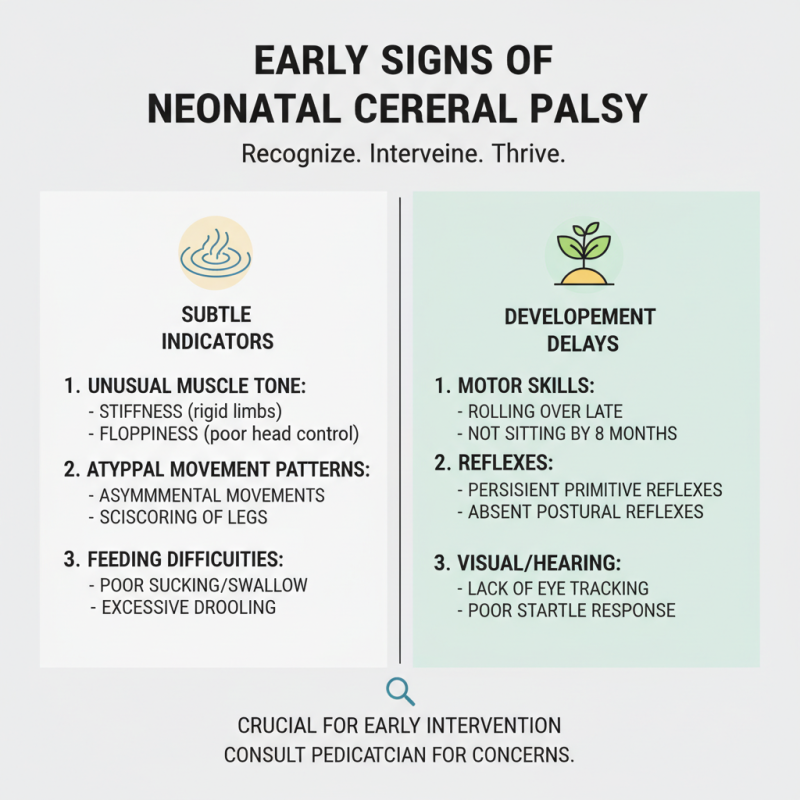
Neonatal cerebral palsy can present subtle signs in infants. Early recognition is crucial for effective intervention. Symptoms may vary, but some common early indicators include unusual muscle tone and movement patterns. Infants might display stiffness or floppiness in their limbs, making it difficult for them to hold their heads up. These physical signs can change over time, leading to potential delays in developmental milestones.
Parents often notice that their baby seems less responsive. A lack of interest in their surroundings or failure to react to visual stimuli can be early red flags. Other signs include difficulty feeding, excessive irritability, or a preference for certain postures. These variations in behavior warrant close monitoring. It's essential to consult a healthcare provider for an expert evaluation if you suspect anything unusual.
Recognizing these early signs can be challenging. As caregivers, it's easy to overlook small differences in behavior and development. Emphasizing awareness and education can empower families to seek timely assistance. Early diagnosis and intervention can dramatically improve outcomes for babies with neonatal cerebral palsy. Focus on nurturing environments can help mitigate these challenges, making a positive difference in their lives.
Diagnosis and Assessment Techniques for Neonatal Cerebral Palsy
Diagnosing neonatal cerebral palsy (CP) can be complex. Medical professionals use various assessment techniques to identify this motor disorder in infants. Early diagnosis is crucial. It allows for timely intervention, which can improve outcomes for children.
One common approach is the use of standardized tests. These tests evaluate a baby's muscle tone, reflexes, and motor skills. Observations of movements are essential. The neurologist may watch how the baby lifts its head or rolls over. This provides valuable insight.
Moreover, brain imaging techniques like MRI can be instrumental. They help visualize brain structure. Abnormalities can indicate CP. However, these tests may not always detect mild cases. This gap highlights the need for more refined assessment methods. Continuous training for healthcare providers is vital. It enhances their ability to recognize symptoms more accurately. Early intervention remains a critical factor in managing neonatal CP.
Top 10 Facts About Neonatal Cerebral Palsy
This chart represents the prevalence of neonatal cerebral palsy (CP) factors in infants. Each factor contributes to the likelihood of developing CP, based on recent studies.
Treatment Options and Interventions for Neonatal Cerebral Palsy
Neonatal cerebral palsy is a complex condition needing varied treatment approaches. Early diagnosis is key. Healthcare teams often include
physical therapists, occupational therapists, and neurologists. Each expert plays a crucial role in creating tailored interventions. Parents should feel involved in every step, as they are vital to the child’s progress.
Physical therapy focuses on building movement skills. Therapists use exercises and activities that make moving fun. Occupational therapy works on daily living skills. This might include helps with holding utensils or dressing. These therapies often require creativity and patience. Progress can be slow, and parents might feel frustrated. It’s essential to remain hopeful and celebrate small achievements.
Medication can help manage associated conditions like muscle stiffness. Some children benefit from injections to relax tight muscles. Surgical options may be considered in specific situations. The treatment plan should adapt as the child grows. Flexibility is vital, as each child's journey is unique. Regular assessments can guide necessary changes in therapy and interventions.