• 103qo

    Wechat

  • 117kq

    MicroBlog

Empowering Lives, Healing Minds, Caring Always

Leave Your Message

Top 10 Rehabilitation Therapy Research Innovations to Watch?

Rehabilitation Therapy Research is evolving rapidly, introducing innovative approaches to enhance patient outcomes. This field encompasses various techniques aimed at improving physical, cognitive, and emotional well-being. Recent innovations promise to transform traditional therapy methods, making rehabilitation more effective and personalized.

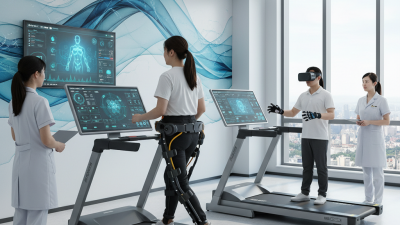
Emerging technologies play a vital role in this development. For instance, virtual reality and robotics are being integrated into therapy sessions. These tools create immersive environments, enhancing motivation and engagement. However, researchers must ensure that these innovations are accessible to all patients. There remains a challenge in addressing the diverse needs of various populations.

The importance of collaboration among experts cannot be overstated. Multi-disciplinary teams are crucial in advancing rehabilitation methods. Their combined knowledge leads to better practices and understanding. Nevertheless, the implementation of new techniques often requires reflection. Evaluating their efficacy in real-world settings is essential for validating their benefits. Exciting advancements await in the realm of rehabilitation therapy, but critical awareness is needed to ensure their success.

Top 10 Rehabilitation Therapy Research Innovations to Watch?

Emerging Technologies in Rehabilitation Therapy Research

Emerging technologies are reshaping rehabilitation therapy research in profound ways. From virtual reality to biofeedback systems, the innovations are diverse. These technologies offer new avenues for patient engagement. For instance, virtual reality can create immersive environments for physical therapy. Patients can perform exercises in a simulated world, enhancing motivation and focus.

Wearable devices are another powerful tool. They can monitor patient movements and provide real-time feedback. This data is critical for adjusting therapy plans. However, reliance on such technology could potentially create gaps. What if the devices fail? Therapists must remain vigilant and interpret data with care. The balance between technology and human insight is essential.

Moreover, artificial intelligence is gaining traction. It can analyze patient data to predict recovery trajectories. However, this brings concerns about data privacy and accuracy. Trusting AI with sensitive information requires careful consideration. The field must navigate these challenges to ensure reliability and effectiveness in rehabilitation therapy.

Key Innovations in Physical Therapy Techniques

Innovations in physical therapy techniques are rapidly changing the landscape of rehabilitation. One significant advancement is virtual reality (VR) therapy. VR offers immersive experiences that help patients with motor skills recovery. It provides safe environments for practicing movements and overcoming fears. The engaging nature of VR can enhance motivation and endurance during therapy sessions. However, accessibility can be an issue, as not all clinics can afford this technology.

Another promising technique is neuromuscular electrical stimulation (NMES). This method uses electrical impulses to stimulate muscle contractions. NMES can be particularly beneficial for individuals recovering from strokes or surgeries. It assists in building strength while potentially reducing atrophy. Nevertheless, some patients may feel discomfort or struggle to adapt to the sensation of stimulation.

Mindfulness and mental health integration in therapy has gained traction as well. Techniques like guided imagery can reduce anxiety during physical rehabilitation. They encourage a holistic approach to recovery, supporting both mental and physical well-being. Yet, the effectiveness of these techniques varies among individuals, requiring personalized adaptations.

As these innovations evolve, ongoing evaluation is necessary. Each technique has unique benefits and limitations. Continuous research will ensure that the most effective therapies reach those in need.

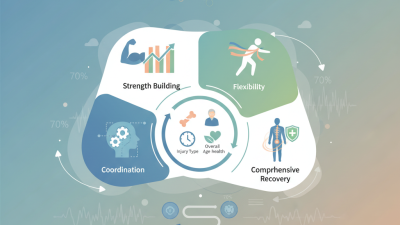
Top 10 Rehabilitation Therapy Innovations to Watch

This chart presents the latest innovations in rehabilitation therapy techniques, highlighting advancements across various categories.

Advancements in Occupational Therapy Approaches

Top 10 Rehabilitation Therapy Research Innovations to Watch?

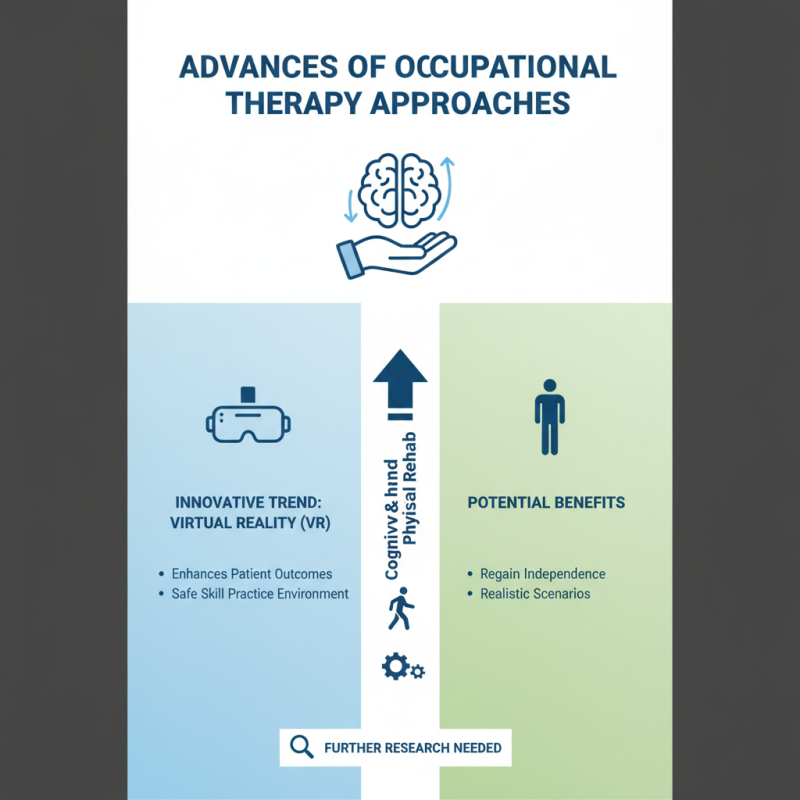
Occupational therapy is evolving rapidly with innovative approaches that enhance patient outcomes. One promising trend involves the use of virtual reality. This technology immerses patients in realistic scenarios, allowing them to practice skills in a safe environment. This approach has shown potential in helping clients with cognitive and physical challenges regain independence. However, further research is needed to fully understand its long-term effectiveness.

Another exciting advancement is the integration of telehealth services. This method provides patients with convenient access to therapy sessions from their homes. It can break down barriers for those in remote areas. However, it also raises questions about maintaining personal connections. The challenge lies in ensuring that the therapeutic relationship remains strong, even through a screen.

Moreover, the focus on personalized therapy plans is gaining traction. Therapists are increasingly tailoring interventions to individual needs and preferences. This customization can lead to better engagement and more effective outcomes. Yet, it requires thorough assessments and continuous adjustments. Balancing standard practices with personalized care is essential but can be complex. Innovations in occupational therapy are promising; however, ongoing evaluation is crucial to ensure these methods truly benefit patients.

Innovative Rehabilitation Tools for Patient Engagement

Innovative rehabilitation tools are transforming patient engagement in therapies. Technology now plays a crucial role in providing personalized care. Tools like virtual reality, wearable devices, and interactive apps empower patients. Engaging with these tools can improve motivation and adherence to rehabilitation programs. They offer real-time feedback, sparking a sense of accomplishment for users.

When incorporating these technologies, consider individual needs. Not all patients respond the same way. Some may feel overwhelmed by gadgets. Keep the interface simple and user-friendly. Regular check-ins can also help gauge comfort levels. Adapt the approach based on patient feedback.

Creating a supportive environment is essential. Encourage patients to share their experiences with the technology. This can lead to valuable insights. Also, acknowledge that some innovations may not resonate with everyone. Flexibility in choosing tools ensures that patients remain invested in their recovery journey. A thoughtful selection of rehabilitation tools promotes both engagement and progress.

Top 10 Rehabilitation Therapy Research Innovations to Watch

Innovation Description Key Benefits Target Population
Virtual Reality Therapy Uses immersive environments to simulate real-life scenarios for rehabilitation. Enhances patient motivation and engagement; improves motor skills. Stroke patients, injury recovery.
Wearable Fitness Trackers Devices that monitor physical activity and vitals. Promotes adherence to therapy; tracks progress over time. Chronic pain, elderly populations.
Telehealth Platforms Virtual consultations via video conferencing for therapy sessions. Increases access to care; provides flexibility in scheduling. Rural patients, busy professionals.
Augmented Reality in Therapy Incorporates AR to provide real-time feedback during exercises. Enhances learning outcomes; allows for personalized therapeutic experiences. Post-operative recovery, pediatric patients.
Robotic Exoskeletons Wearable machines that assist in walking and movement. Improves mobility; enhances independence for individuals with mobility impairments. Spinal cord injury, stroke survivors.
Digital Therapeutics Software-based interventions for chronic conditions. Offers personalized treatment; can be combined with medication. Diabetes, addiction recovery.
3D Printed Prosthetics Customized prosthetics tailored to patient anatomy. More affordable; quicker turnaround time; personalized fit. Amputees.
Gamification of Therapy Incorporating game elements in rehabilitation exercises. Increases patient engagement; encourages consistency in practice. Children, elderly, patients with PTSD.
Biofeedback Devices Devices that provide real-time feedback on physiological functions. Enhances self-awareness; aids in stress management and rehabilitation. Stress-related disorders, athletic training.

Future Trends in Telehealth for Rehabilitation Therapy

Top 10 Rehabilitation Therapy Research Innovations to Watch?

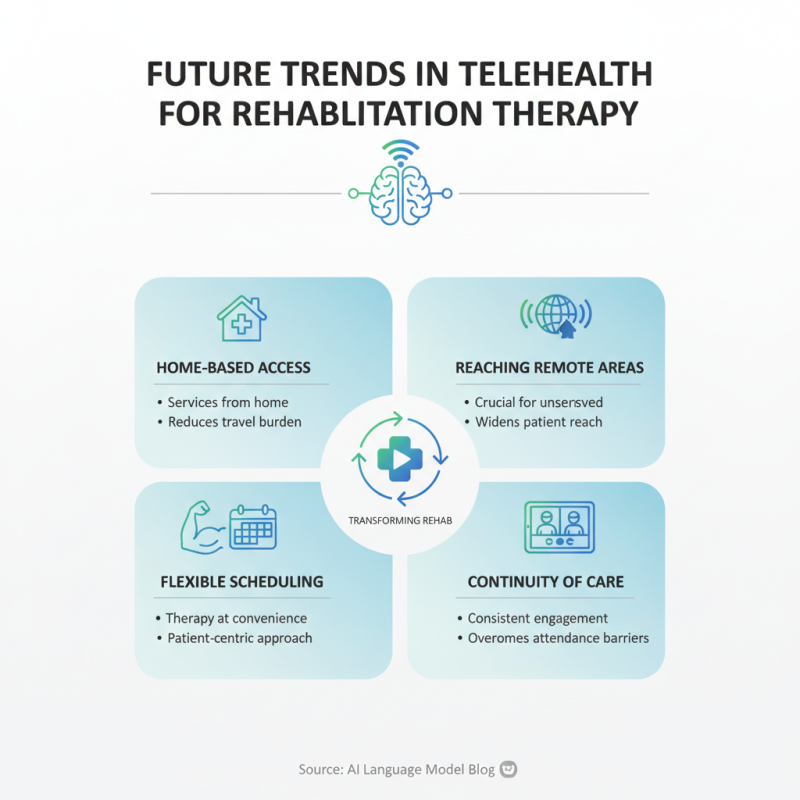
Telehealth is transforming rehabilitation therapy. With its rise, patients can access services from home. This shift is crucial for those in remote areas. Rehabilitation can be challenging. Many patients struggle to attend in-person sessions. Telehealth offers flexibility. Patients engage in therapy at their convenience.

New technologies enrich telehealth experiences. Virtual reality provides immersive therapy sessions. This innovation helps patients practice movements in a safe environment. Wearable devices track progress and motivate users. However, not all patients embrace these changes. Some lack digital literacy, limiting their access. Therapists must be aware of this barrier.

Training and accessibility are critical. Health professionals need to adjust to this digital landscape. They must find ways to engage patients personally. Reflections on the effectiveness of virtual settings are necessary. Continuous feedback can enhance the telehealth experience. Ensuring every patient can participate is essential for equitable care.