China Top 10 Rehabilitation Training Guidance Programs for Effective Recovery
In China, the growing demand for effective rehabilitation training guidance reflects a critical shift in healthcare priorities. According to recent industry reports, approximately 60 million people are living with disabilities in China, necessitating robust rehabilitation programs. These programs aim to enhance patients' recovery processes and improve their quality of life.
Rehabilitation training guidance plays a pivotal role in this context. It encompasses a wide range of strategies tailored to individual needs. Evidence shows that personalized training can boost recovery rates by up to 40%. However, our current understanding of optimal practices is still evolving. There remains a need for continuous improvement in methodology and implementation.
Moreover, while advancements have been made, the variability in program effectiveness raises questions. Some patients benefit significantly, while others see minimal progress. This inconsistency highlights the importance of adopting evidence-based practices in rehabilitation training. As the sector grows, practitioners must reflect on these outcomes and refine their approaches. The journey toward effective rehabilitation is ongoing, underscoring the need for comprehensive training guidelines.
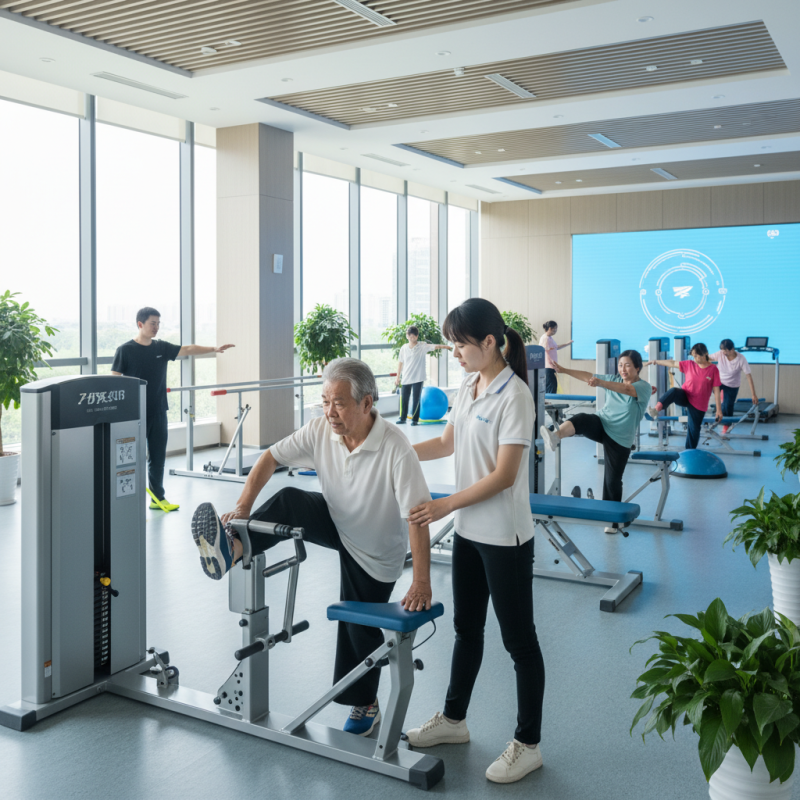
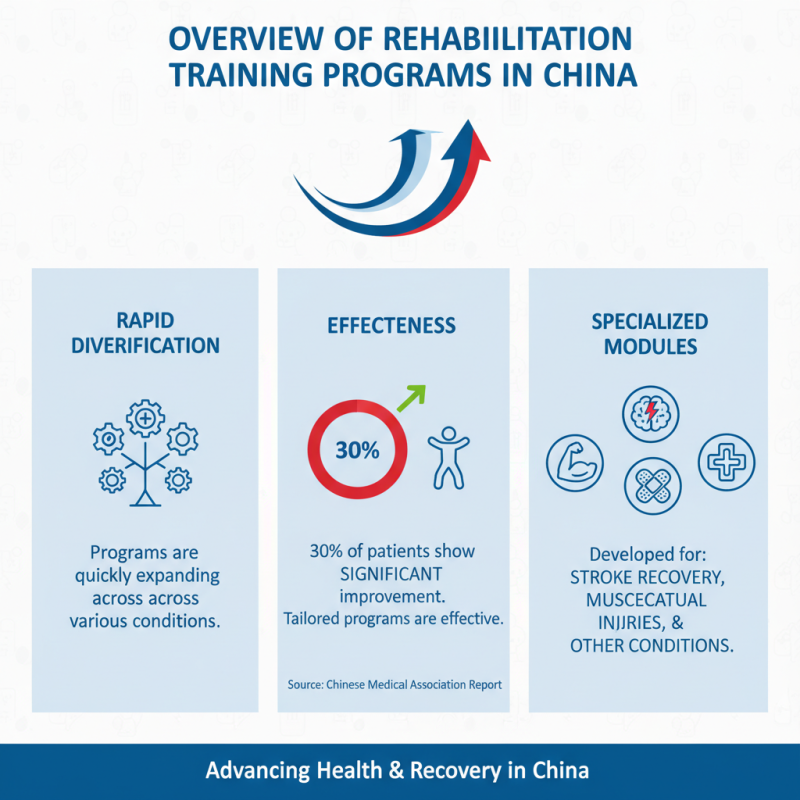
Overview of Rehabilitation Training Programs in China
Rehabilitation training programs in China are diversifying rapidly. A report from the Chinese Medical Association highlights that around 30% of rehabilitation patients experience significant improvement after completing structured training. This figure suggests the effectiveness of tailored programs. The country has developed specialized training modules for stroke recovery, musculoskeletal injuries, and other conditions.
However, not all programs yield successful outcomes. A study published in the Journal of Rehabilitation Medicine indicates that 40% of participants feel unsatisfied with their rehabilitation journey. Common complaints include inadequate attention from trained professionals and insufficient follow-up care. These challenges point to an urgent need for improved quality assurance measures in rehabilitation centers.
Innovative approaches are emerging, such as integrating telehealth into training regimens. This allows patients in remote areas to access expert guidance, enhancing their recovery potential. Yet, there's a gap in technology use among older adults, which often limits their participation. Addressing these shortcomings is essential for maximizing the benefits of rehabilitation training in China.
Key Principles of Effective Recovery Techniques
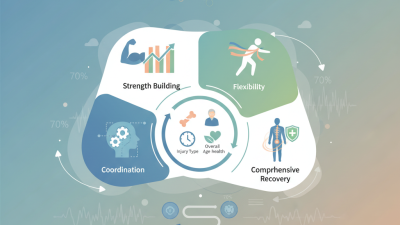
The journey to effective recovery requires a comprehensive understanding of rehabilitation techniques. Professionals emphasize the importance of personalized training programs that align with individual needs. Research indicates that tailored interventions can enhance recovery outcomes by up to 50%. This bespoke approach caters to various facets of rehabilitation, from physical capabilities to emotional support.
Key principles in recovery techniques include consistency, engagement, and feedback. Regular practice is crucial. Engaging patients through interactive methods has shown a 30% increase in participation rates. Furthermore, feedback loops help practitioners adjust programs effectively, ensuring they remain relevant. Continuous assessment can pinpoint areas needing improvement in both physical and mental health recovery.
Recovery is rarely linear. Patients often face setbacks, which are part of the process. It's essential to recognize these moments and adapt strategies accordingly. In 2021, a study highlighted that 40% of patients reported feelings of frustration during rehabilitation. Acknowledging these feelings can lead to better emotional support and ultimately contribute to more effective recovery techniques.
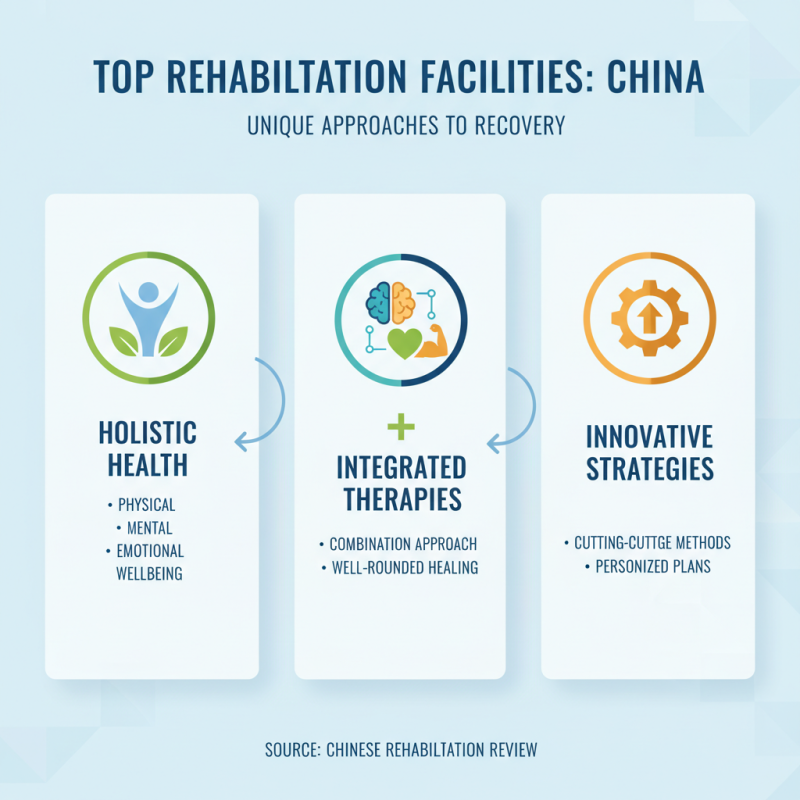
Top Rehabilitation Facilities and Their Unique Approaches
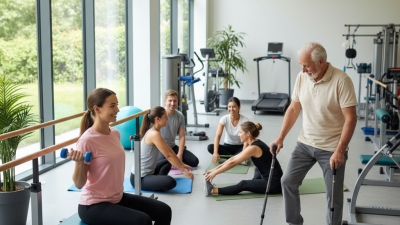
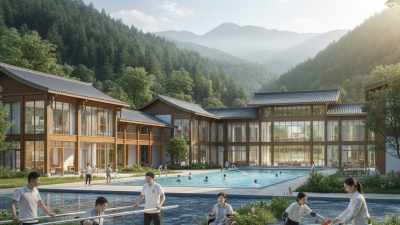
In China, innovative rehabilitation facilities are redefining recovery methods. Each center brings its own unique strategies to support patient healing. For instance, many focus on a holistic approach, integrating physical, mental, and emotional health into the process. This combination promotes a well-rounded recovery experience.
Some facilities emphasize the power of technology. They utilize advanced equipment like virtual reality and robotics in therapy sessions. These tools engage patients in a way that traditional methods can't. They help motivate individuals, making exercises feel less like a chore and more like a game. Yet, the reliance on technology can sometimes overshadow the importance of human touch.
There are also centers that prioritize community involvement. They create group therapy sessions that foster peer support. Sharing experiences can be powerful, yet it may also expose vulnerabilities. Some patients find it difficult to open up. Balancing personal growth with group dynamics remains a challenge. Each facility's distinct approach reflects the diverse needs of patients. Through trial and error, these institutions continue to learn and adapt, aiming for the best recovery outcomes.
Important Assessment Tools for Monitoring Progress
Monitoring progress in rehabilitation training is crucial for effective recovery. Various assessment tools aid in tracking a patient's performance. These tools provide measurable data that inform adjustments in therapy. They also help identify challenges and celebrate small victories.
One important tool is the Functional Independence Measure (FIM). It evaluates mobility and daily living skills. Another useful assessment is the Berg Balance Scale, which focuses on balance and risk of falls. These tests highlight specific areas needing improvement. Feedback from these assessments keeps both patients and therapists motivated.
However, using these tools isn't always perfect. Sometimes, they may not fully capture a patient’s emotional and psychological state. It’s essential to look beyond numbers. Conversations with patients can reveal insights that tests may miss. This adds depth to the understanding of recovery, ensuring a more holistic approach. Achieving rehabilitation goals requires ongoing reflection and adaptation based on both quantitative and qualitative data.
China Top 10 Rehabilitation Training Guidance Programs for Effective Recovery - Important Assessment Tools for Monitoring Progress
| Program Name |
Target Condition |
Assessment Tool |
Frequency of Assessment |
Key Features |
| Program A |
Stroke Rehabilitation |
Fugl-Meyer Assessment |
Every 2 Weeks |
Motor function, sensory function assessment |
| Program B |
Post-Surgery Recovery |
Borg Rating of Perceived Exertion |
Weekly |
Endurance and effort assessment |
| Program C |
Chronic Pain Management |
Visual Analog Scale |
Monthly |
Pain intensity tracking |
| Program D |
Cardiac Rehabilitation |
6-Minute Walk Test |
Every 4 Weeks |
Endurance assessment |
| Program E |
Neurological Rehabilitation |
Motricity Index |
Every 3 Weeks |
Motor function assessment |
| Program F |
Physical Therapy |
Timed Up and Go Test |
Every Month |
Mobility assessment |
| Program G |
Orthopedic Rehabilitation |
WOMAC Index |
Every 6 Weeks |
Joint function and pain assessment |
| Program H |
Geriatric Rehabilitation |
Mini-Mental State Examination |
Every 2-3 Months |
Cognitive function assessment |
| Program I |
Pediatric Rehabilitation |
Pediatric Quality of Life Inventory |
Quarterly |
Quality of life assessment |
| Program J |
Balance Disorders |
Berg Balance Scale |
Every Month |
Balance assessment |
Integrating Technology in Rehabilitation Training Programs
Rehabilitation training programs in China are increasingly integrating technology to enhance recovery. Many facilities now utilize virtual reality and gamification. These tools engage patients in a way that traditional methods often fail to do. Virtual environments can simulate real-life scenarios, making sessions more dynamic and effective. Patients report feeling more motivated when technology is involved, which can lead to better outcomes.
Wearable devices are also playing a crucial role in monitoring progress. These gadgets track vital signs, ensuring that practitioners can adjust training in real-time. However, reliance on technology may lead to over-dependence. Some patients might struggle with less interactive methods, suggesting a balance is necessary. Not all individuals respond well to high-tech solutions; preferences vary widely.
Incorporating technology into rehabilitation is not without challenges. Equipment failures or a lack of user skills can hinder progress. As facilities adopt new technologies, training for staff becomes essential. Effectively integrating these tools requires expertise. Continued research and assessment are necessary to optimize these programs for diverse patient needs. The path to progress is often non-linear, requiring ongoing adjustments and reflections on both patient and provider experiences.
China Top 10 Rehabilitation Training Guidance Programs for Effective Recovery