Why Choose Rehabilitation Nursing Training?
Rehabilitation Nursing Training prepares nurses for recovery that unfolds in small, measurable steps. A patient may first grip a spoon, stand for ten seconds, or walk safely to the bathroom. These moments require clinical judgment, patience, and careful documentation. Nurses assess mobility, cognition, pain, skin integrity, nutrition, and emotional readiness. They also coordinate therapists, physicians, caregivers, and community services.
The need is substantial. The World Health Organization estimates that 2.4 billion people worldwide live with health conditions that could benefit from rehabilitation. Its Rehabilitation 2030 initiative identifies rehabilitation as an essential component of universal health coverage. The WHO’s 2023 rehabilitation guidance also emphasizes integrated, person-centred services across health systems. Dr. Alarcos Cieza, WHO’s rehabilitation lead, has stated, “Rehabilitation is an essential health service.” That principle gives this specialty clear professional weight.
The work is practical.
Training can strengthen skills in stroke recovery, spinal injury care, amputation support, and chronic disease management. It can also improve discharge planning and safe transfers. Evidence from rehabilitation quality programs commonly links coordinated nursing care with better functional outcomes and fewer avoidable complications. However, training alone cannot solve understaffing, limited equipment, or unequal access. That deserves honest attention. A certificate does not automatically create confidence at a patient’s bedside. Reflection, supervised practice, and feedback remain necessary. For nurses who value measurable progress and human resilience, Rehabilitation Nursing Training offers a focused path with lasting clinical relevance.
Rehabilitation nursing training focuses on restoring function, confidence, and daily independence. The World Health Organization’s 2023 rehabilitation data estimates that 2.4 billion people worldwide may benefit from rehabilitation services. This need makes practical nursing skills increasingly important. Training usually covers mobility assessment, safe transfers, pain observation, wound care, medication support, and activities of daily living. Learners also study stroke recovery, spinal injuries, neurological conditions, and long-term disability. Communication matters too. A patient may need encouragement before attempting one careful step.
Training should combine classroom evidence with supervised practice. Nurses learn to set measurable goals, record progress, and coordinate with physiotherapists, occupational therapists, and families. The U.S. Bureau of Labor Statistics projects registered nurse employment to grow 6% between 2023 and 2033, reflecting continuing demand for skilled care. However, rehabilitation is not a perfect checklist. A patient can improve slowly, refuse an exercise, or lose confidence after a small setback. Good training teaches clinical judgment, not false certainty. Reflection after each session can reveal what the nurse missed.
Tips: Practise transfer techniques with supervision. Explain every movement before touching the patient. Use simple goals, such as standing for two minutes. Document fatigue, balance, pain, and emotional responses. Review mistakes honestly. Small details often change recovery.
Rehabilitation nursing training builds practical knowledge for patients recovering from injury, illness, surgery, or long-term disability. Learners study anatomy, movement, pain, skin integrity, and common neurological conditions. They also examine how breathing, nutrition, sleep, and mood influence recovery. Clinical decisions should follow current evidence, documented assessments, and each patient’s goals. Small details matter.
During supervised practice, trainees learn to assess strength, balance, mobility, swallowing, and daily functioning. They practice safe transfers, positioning, range-of-motion support, continence care, and fall prevention. A wheelchair brake, loose footrest, or poorly placed pillow can create real risks. Learners also develop skills in wound observation, medication awareness, and accurate clinical documentation. Clear records help the wider team adjust care safely.
Communication is equally important. Nurses learn to explain exercises in plain language and respect a patient’s pace, culture, privacy, and right to refuse. They coordinate with therapists, physicians, families, and support workers without exceeding their professional scope. Some situations remain uncertain. A patient may improve slowly, or a familiar technique may not suit them. Reflection helps trainees question assumptions, report changes early, and seek guidance. Practice is supervised. Confidence takes time.
Why Choose Rehabilitation Nursing Training?
Rehabilitation nursing serves patients rebuilding function after stroke, spinal cord injury, fractures, surgery, or prolonged illness. The World Health Organization’s World Health Organization Rehabilitation 2030 report estimates that 2.4 billion people may benefit from rehabilitation worldwide. That number changes how nurses view routine care. A supported transfer, careful skin check, or coached breathing exercise can protect independence. Small actions matter.
Clinical settings demand different decisions. Inpatient rehabilitation units require structured mobility goals and interdisciplinary communication. Acute hospitals need early assessment, especially when weakness appears after intensive treatment. Skilled nursing facilities often support older adults managing several conditions at once. Community services add home safety, caregiver teaching, and medication awareness. WHO’s Global Status Report on the Health of Refugees and Migrants also highlights unequal access to essential health services, reminding nurses that recovery plans must fit real living conditions.
Training develops observation, safe handling, bowel and bladder support, pain assessment, and motivational communication. It also teaches nurses to measure progress without reducing patients to scores. The difficult part is uncertainty. A patient may refuse therapy, lose confidence, or improve unevenly. That is not failure. It requires reflection, patience, and reassessment. A weak training program may focus too heavily on procedures. Stronger preparation connects clinical evidence with the patient’s voice, family capacity, and the actual environment where recovery continues.
Rehabilitation-trained nurses can build careers across hospitals, outpatient clinics, community programs, home care, and long-term care. The World Health Organization reports that 2.4 billion people worldwide may benefit from rehabilitation services. This need creates demand for nurses who understand mobility, pain management, neurological recovery, and daily living skills.
Career options extend beyond bedside care. Rehabilitation nurses may coordinate discharge plans, educate families, support disability services, or work with physical and occupational therapy teams. In the United States, the Bureau of Labor Statistics projects 6% employment growth for registered nurses from 2023 to 2033, with about 194,500 openings each year. Rehabilitation training can help nurses compete for roles requiring patient education and complex care coordination.
The work is practical and demanding. A nurse may adjust a transfer plan after watching a patient struggle from bed to chair. Small gains matter. Recovery is rarely neat, and progress can stop without warning. Nurses must document carefully, communicate clearly, and respect each patient’s pace. WHO’s Rehabilitation 2030 initiative also highlights the need to strengthen rehabilitation workforces and integrate services into primary care. That direction may open opportunities in underserved communities, though staffing gaps and emotional fatigue remain real concerns. Training improves readiness, but it does not remove uncertainty.
| Career Opportunity | Typical Patient Groups | Key Responsibilities | Important Rehabilitation Skills | Common Work Settings | Potential Career Progression |
|---|---|---|---|---|---|
| Inpatient Rehabilitation Nurse | Adults recovering from stroke, spinal cord injury, traumatic brain injury, amputation, or major surgery | Provide medication management, health monitoring, bowel and bladder care, wound care, patient education, and discharge preparation | Functional assessment, mobility support, skin protection, self-care training, and interdisciplinary teamwork | Specialized rehabilitation units and post-acute hospitals | Senior staff nurse, rehabilitation educator, charge nurse, or clinical coordinator |
| Neurological Rehabilitation Nurse | People living with stroke, multiple sclerosis, Parkinson’s disease, brain injury, or spinal cord conditions | Monitor neurological status, manage symptoms, reduce complications, and support long-term adaptation | Neurological observation, seizure precautions, cognitive support, communication strategies, and caregiver education | Neurological rehabilitation services, hospitals, and outpatient programs | Neurological rehabilitation specialist, case manager, or nurse educator |
| Community and Home Rehabilitation Nurse | Patients transitioning home after injury, illness, surgery, or extended hospitalization | Assess home safety, reinforce treatment plans, coordinate services, and promote independence in daily activities | Home assessment, motivational coaching, health literacy, chronic-condition management, and care coordination | Home health services, community programs, and transitional-care teams | Community case manager, transitional-care nurse, or population-health nurse |
| Long-Term Care and Post-Acute Nurse | Older adults and people with chronic disabilities or ongoing functional limitations | Maintain function, prevent pressure injuries and falls, manage chronic conditions, and support quality of life | Fall prevention, restorative nursing, continence care, nutrition support, and person-centered planning | Skilled nursing facilities, long-term care centers, and continuing-care communities | Restorative nursing coordinator, unit manager, or quality-improvement nurse |
| Pediatric Rehabilitation Nurse | Children and adolescents with congenital conditions, developmental disabilities, injuries, or neurological disorders | Deliver age-appropriate care, teach families, support developmental goals, and coordinate therapy plans | Family-centered care, developmental assessment, play-based education, and safeguarding awareness | Children’s hospitals, pediatric rehabilitation units, schools, and community services | Pediatric rehabilitation specialist, family-care coordinator, or nurse educator |
| Rehabilitation Nurse Educator | Patients, families, nursing students, and healthcare professionals | Develop training, teach self-management, evaluate learning, and improve staff competency | Patient education, curriculum design, coaching, health-literacy assessment, and quality improvement | Hospitals, education departments, professional training programs, and community organizations | Clinical nurse educator, staff-development specialist, or nursing faculty member |
| Rehabilitation Case Manager | Patients requiring coordinated services across hospital, therapy, community, and home settings | Coordinate referrals, monitor progress, communicate with families, and support safe transitions of care | Care planning, advocacy, discharge coordination, documentation, and interdisciplinary communication | Hospitals, rehabilitation programs, insurance-related care teams, and community services | Utilization-review nurse, clinical coordinator, or rehabilitation program manager |

Data note: Career pathways reflect common rehabilitation nursing roles and responsibilities. Employment outlook figures refer to registered nurses overall and do not represent a separate rehabilitation-nursing occupation. Licensing, education, and certification requirements vary by jurisdiction. Outlook figures are based on the latest available national occupational projections from the U.S. Bureau of Labor Statistics.
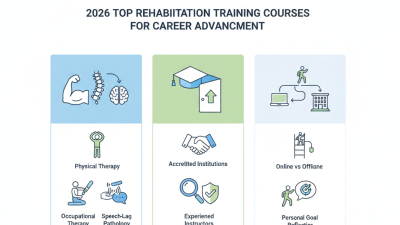
Choosing rehabilitation nursing training requires more than comparing course fees. The program should reflect real patient needs, including stroke recovery, mobility support, pain management, and communication difficulties. Look for a curriculum based on current clinical guidance and supervised practice.
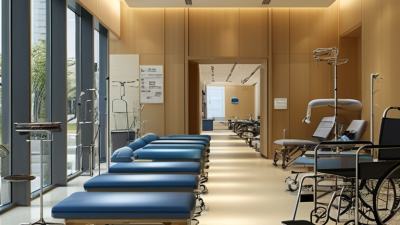
A classroom may explain transfer techniques, but a clinical placement shows how safety works beside a patient’s bed. Ask how students practise with wheelchairs, walking aids, and documentation.
Instructor quality matters. Check whether tutors have recent rehabilitation nursing experience and appropriate professional credentials. Reliable programs explain their assessment methods, placement hours, and student support before enrollment.
They should also maintain clear links with approved clinical settings. Ask about emergency procedures, infection prevention, and how feedback is recorded. Small details reveal standards.
Consider learning pace and personal readiness. Evening classes may suit working nurses, while intensive study can demand more recovery time than expected. I would not choose a program only because it promises fast completion. That choice can leave gaps in clinical judgment.
Review graduate outcomes carefully, but remember that published figures need context. Speak with current learners if possible. Their comments about supervision, workload, and patient contact may be more useful than polished advertising.
No program is perfect. A thoughtful choice leaves room for questions, practice, and honest reflection.