



Case Stusies
Chen Ruoxi
Gender: Female
Age: 7 years and 5 months
Admission condition:
About 6 years ago, the parents of the patient noticed developmental delays in comparison to peers of the same age. Subsequently, they sought medical attention at the local hospital, where she was diagnosed with cerebral underdevelopment and received rehabilitation treatment. Currently, the patient has limited language expression, only able to utter 1-2 words, and experiences communication barriers. Cognitive and comprehension abilities are insufficient, and she is unable to perform directive actions. Gross motor skills are adequate, but fine motor skills are poor, requiring assistance to ascend and descend stairs. The patient can perceive her own needs for eating and toileting but requires assistance to fulfill them. Surgical treatment is being considered for further diagnosis and treatment, thus referred to our hospital. Since the onset of the condition, the patient has remained conscious, in good mental condition, with normal eating habits, regular bowel movements, normal urine output, and stable weight without significant fluctuations.
Admission Diagnosis: Cerebral underdevelopment
Medical History and Treatment Process:
On April 17, 2023, at 11:15 AM, 7 years and 5 months old patient Chen Ruoxi underwent robot-assisted frameless stereotactic surgery for cerebral underdevelopment and intellectual disability. The surgery was performed under general anesthesia. After initiating the surgery, Marker points were applied, and a head CT scan was performed. Subsequently, the data was imported into the Remebot robot, targeting the left anterior limb of the internal capsule, entering through the left frontal region, and setting the surgical pathway. The patient was placed in a supine position with the head fixed on a molded pillow, underwent routine disinfection, and the surgical drape was applied. After local scalp incision, a bone hole was drilled, the dura mater was pierced, and brain tissue resistance was detected using an electrode needle. Then, neuroregulation therapy with mild electrical stimulation was performed using a radiofrequency needle to complete the left target point surgery. Next, the right anterior limb of the internal capsule was targeted using the same surgical method. The surgery progressed smoothly with approximately 3ml blood loss. After surgery, the needles were removed, and the local skin was sutured and dressed with compression. Postoperative head CT showed no significant bleeding, confirming accurate target point positioning. The patient was then safely transferred back to the ward. Routine intravenous fluids were administered postoperatively, with oxygen supplementation and cardiac monitoring provided. Patient vital signs were closely monitored, and any potential symptoms were promptly addressed. The patient's family was informed of the surgical details.
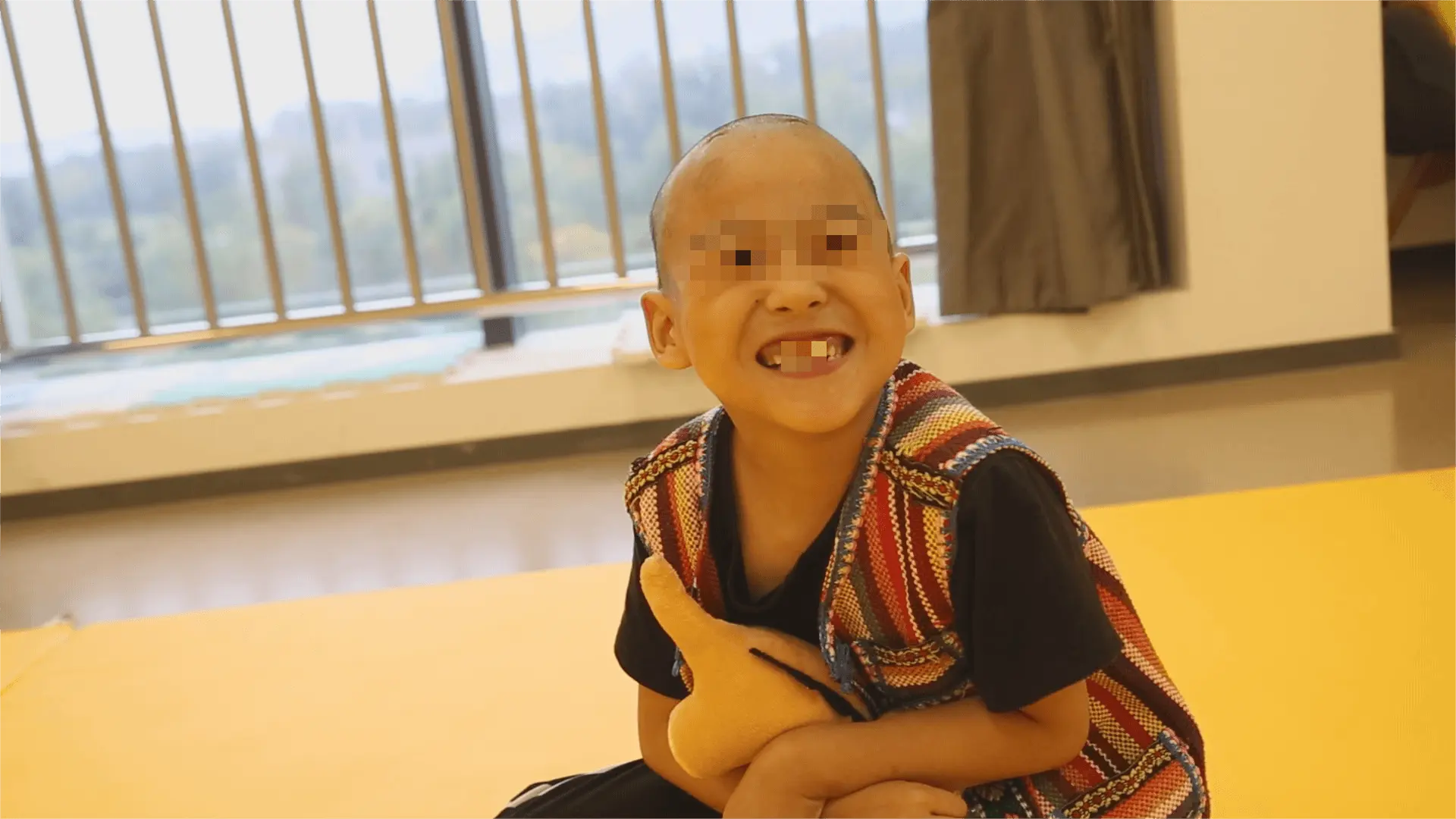
On the morning of April 19, 2023, at 8:52 AM, the patient's condition remained stable on the second day post-surgery, with stable emotions and improved physical coordination, able to ascend and descend stairs independently. No symptoms of headache, nausea, or vomiting were reported, and her appetite was good. The surgical incision showed no bleeding or swelling, with normal bowel and bladder function, and good eating and sleeping patterns. Physical examination results were consistent with previous findings. Attending physician Song Li conducted a ward round, and the patient did not exhibit any specific postoperative adverse reactions. Antibiotic treatment had been administered for 2 days and was discontinued today. Close observation of the surgical wound continued, ensuring dryness and timely dressing changes and disinfection. Attention was also given to prevent falls and choking incidents during feeding. Continued monitoring of the patient's condition was scheduled. If no abnormalities were observed, discharge would be considered after assessment tomorrow.
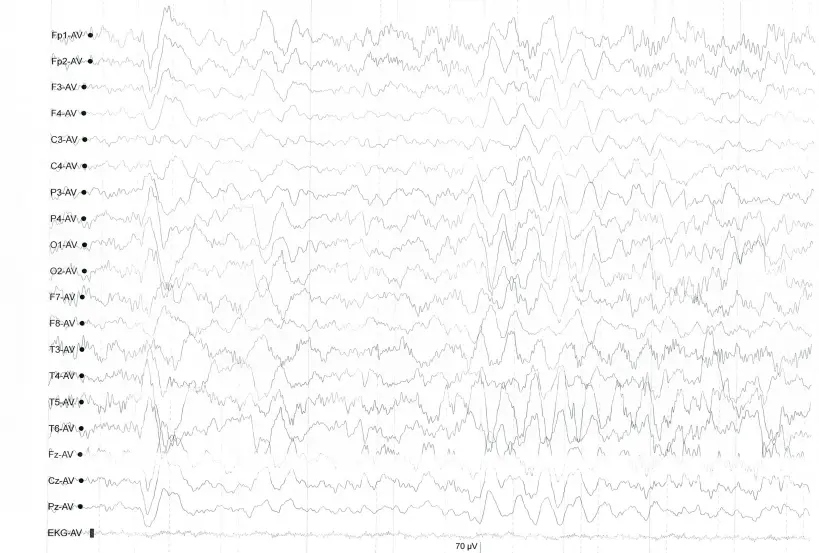
Discharge Summary:
The patient is currently stable, emotionally balanced, with improved physical coordination, capable of ascending and descending stairs independently. There were no complaints of headache, nausea, or vomiting, and her appetite was good. The surgical incision showed no signs of bleeding or swelling, with normal bowel and bladder function, and satisfactory eating and sleeping patterns.
Discharge Instructions: