



Case Stusies
Renqingcuomao
Gender: Female
Age: 6 years and 2 months
Admission Summary:
The child is unable to sit independently. Upon admission, the patient exhibited weakness in the neck, and when assisted to stand, the posture was noticeably abnormal. The upper limbs extended backward significantly, hands exhibited a "claw" shape with outward rotation, lower limbs were stiff, knees hyperextended, toes touching the ground, and the right side of the body was more affected. The patient has poor chewing and swallowing abilities, only able to consume semi-liquid food, and occasional coughing occurs during water intake. The patient is alert and in good mental condition, lacks verbal communication, eye contact, and interaction. Dietary intake is limited, nutrition is low, and there is a lack of control over bowel and bladder functions.
Admission Diagnosis: Cerebral Palsy, Brain Developmental Delay.
Treatment Process:
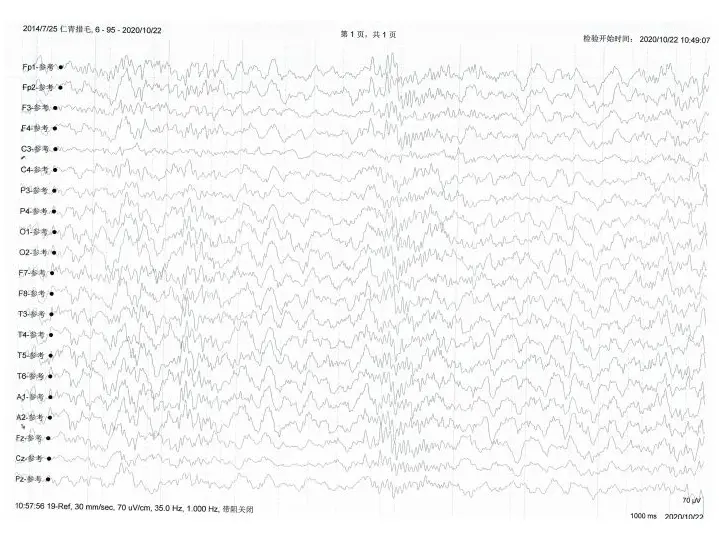
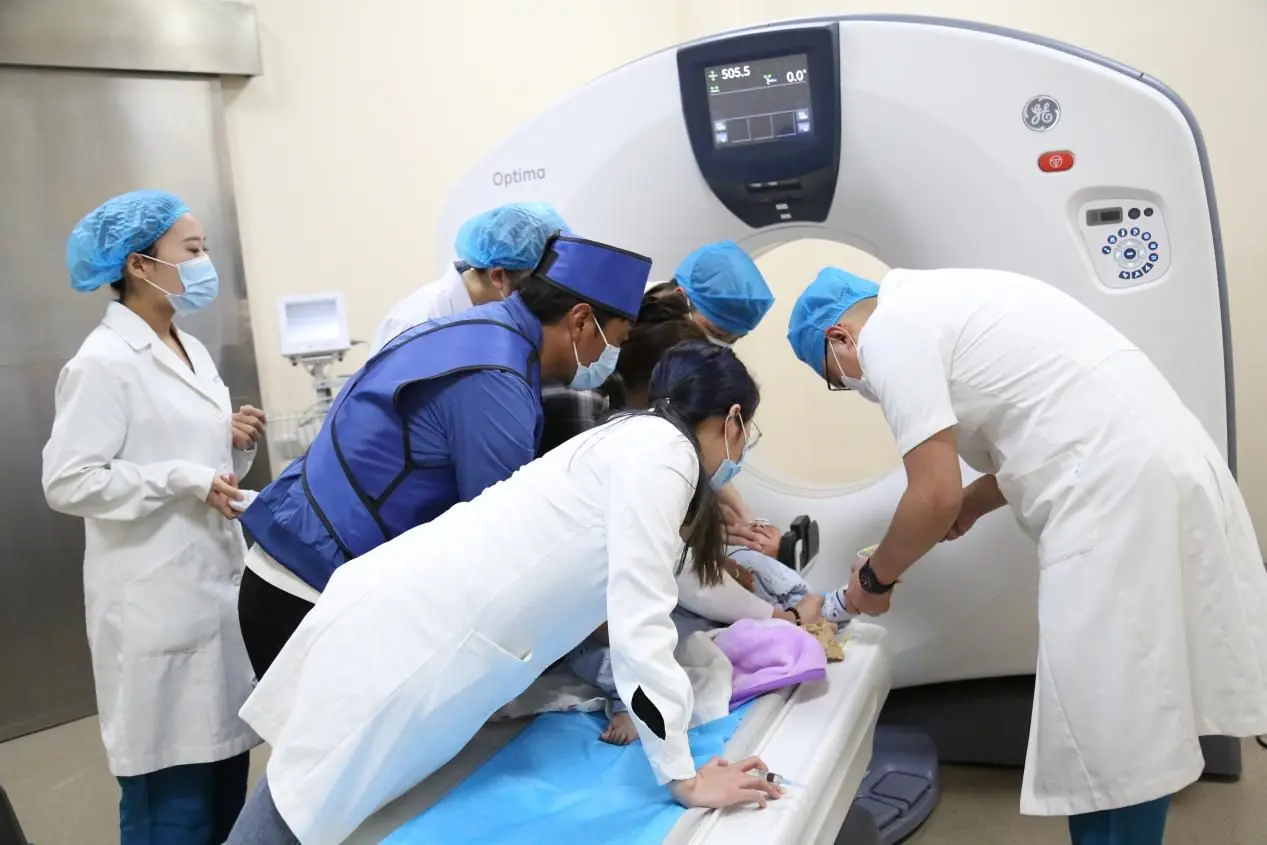
After admission, we conducted detailed preoperative examinations. A head magnetic resonance imaging (MRI) scan on October 24, 2020, revealed widening of the brain sulci and fissures, in conjunction with clinical symptoms. The cardiac morphology, structure, and blood flow were normal, and left ventricular systolic function was within the normal range. Results of other auxiliary examinations, including blood routine, liver and kidney function, coagulation profile, and preoperative eight-item assessment, were all normal. On October 22, 2020, a robot-assisted frameless brain stereotactic surgery was performed under general anesthesia. The surgery proceeded smoothly, and a postoperative head CT scan showed no apparent bleeding with accurate targeting. The patient experienced mild low-grade fever for one day postoperatively, which resolved with routine fluid supplementation and improved diet. Currently, the patient's condition is stable, and discharge is planned for today.
Discharge Summary:
Currently, the patient's condition is stable, with an improved mental state compared to before—reduced crying, normal sleep, and regular diet with no abnormalities in bowel and bladder function. The patient is alert, mentally sound, and exhibits decreased muscle tension in the upper limbs, particularly improved flexibility in the right upper limb. The surgical incision has healed well, and the overall condition is stable, warranting planned discharge.
Discharge Instructions:
1.Keep the surgical wound dry after discharge. Remove stitches after 5-7 days post-operation.
2.Rest is essential, strengthen protection, avoid vigorous head movements.
3.After discharge, continue with rehabilitation training based on the child's language and motor recovery.
4.Seek prompt medical attention if any discomfort arises.