



Case Stusies
Siguang Mingyang
Gender: Male
Age: 7 years and 9 months
Admission Details:
The child, due to premature birth and subsequent oxygen deficiency, required resuscitation and was placed in the intensive care unit at birth. This led to delayed walking, with the child standing at around 2 years old and walking at 2 and a half. Currently, both heels cannot touch the ground, and walking is characterized by a scissor gait. A corrective surgical procedure was performed in 2018, but the results were not satisfactory. There is strabismus in the left eye. The child has normal intelligence, good language skills, and effective communication. There have been no vomiting or seizure episodes. Seeking further treatment, the family has come to our hospital for consultation. The child is alert, in good spirits, with normal nutrition, regular sleep, and normal bowel and bladder function. There has been no significant recent change in weight.
Admission Diagnosis: Cerebral Palsy.
Treatment Process:
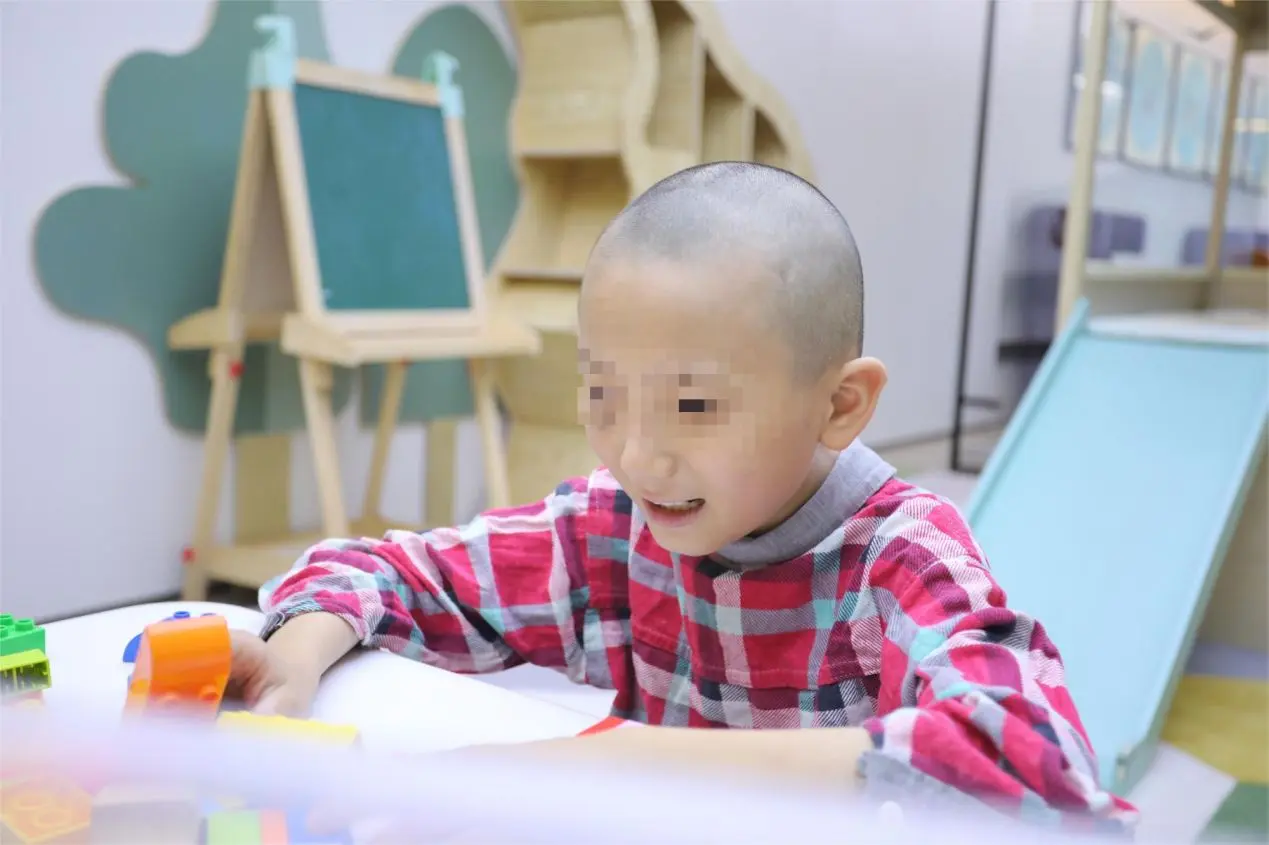
After admission, comprehensive examinations were conducted, and the results indicated eligibility for surgery. Subsequently, the patient underwent robot-assisted frameless stereotactic brain surgery under combined general anesthesia, receiving neural modulation therapy. The surgery was accurately positioned, and there was no bleeding or swelling at the incision site postoperatively, confirming the success of the procedure. On the second day after surgery, the patient successfully walked out of bed with the heels touching the ground, exhibiting a stable gait and significant improvement compared to before.
Discharge Summary:
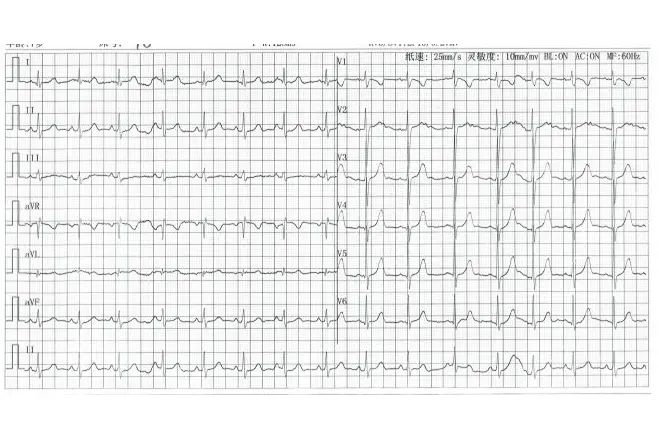
The patient is emotionally stable with a regular heart rhythm, and no abnormal sounds were detected. The wound is dry and has been treated with disinfection. Both heels can touch the ground, allowing the patient to walk in the corridor. There is a slight improvement in motor balance, and the gait is more stable compared to before. The speech is coherent, and there is an improvement in various assessment scores in the rehabilitation tests.
Discharge Instructions:
1.Rest and avoid vigorous head movements after discharge.
2.After discharge, inspect and change the dressing of the surgical wound daily, ensuring it stays dry. Remove the stitches after 5 days.
3.Proceed with rehabilitation training based on the patient's recovery progress.
4.Schedule regular follow-up visits after discharge.