



Case Stusies
Tian Run
Gender: Male
Age: 4 years 8 months
Admission condition:
Due to perinatal hypoxic-ischemic brain injury and low birth weight, the patient has experienced delayed growth and development, resulting in motor disorders. The current condition includes difficulty in sitting independently, reliance on passive positioning, and challenges in standing alone. Walking is achieved with a crossed gait, and there is significant increase in muscle tone and joint stiffness in both lower limbs. Both gross and fine motor movements of the upper limbs are affected. However, cognitive understanding, language, and communication skills remain relatively intact. The patient was previously diagnosed with "cerebral palsy" at a local hospital, and for further diagnosis and treatment, has been transferred to our hospital. Since the onset of the condition, the patient has maintained clear consciousness, normal mental status, and independent eating. Although aware of bodily functions, assistance is needed for self-care. There has been no significant change in body weight.
Admission diagnosis: Cerebral palsy.
Treatment Process:
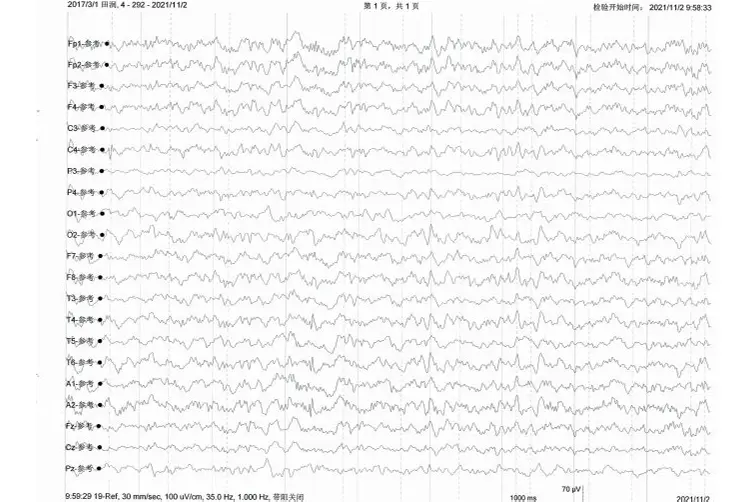
After admission, comprehensive examinations were conducted, and no surgical contraindications were found, meeting the criteria for surgery. On November 4, 2021, at 15:50, the patient underwent a robot-assisted frameless stereotactic brain procedure under general anesthesia. The surgical procedure was the same as before, progressing smoothly with approximately 3 ml of bleeding. Postoperatively, the needle was removed, and the local skin was sutured, followed by compression dressing. A postoperative head CT revealed no significant bleeding, confirming accurate targeting. Routine intravenous fluid administration, oxygen supplementation, and cardiac monitoring were implemented without any complications.Discharge condition:
Currently, the patient's condition is stable, with good mental status and well-recovered surgical wounds exhibiting no signs of bleeding or swelling. Limb movements are good, with reduced muscle tone in the lower limbs compared to before surgery, and improved joint mobility. There were no seizures, clear consciousness, normal spirits, equal and round bilateral pupils with normal light reflex, regular heart rhythm, and no abnormal heart sounds detected.

Discharge instructions:
1. Keep the surgical wound dry after discharge and remove stitches after 5 days.
2. Rest well, enhance protection, and avoid vigorous head movements.
3. Maintain warmth, prevent infection, continue rehabilitation training, and avoid head vibration, needling, electrotherapy, or other rehabilitation treatments for 1 month.
4. Seek medical attention promptly if there are any discomforts.