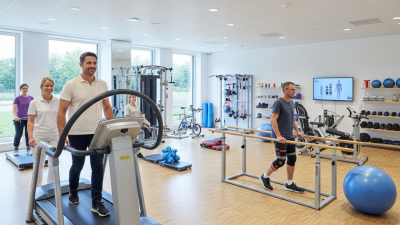
Top Exercise Therapy Benefits for Individuals with Cerebral Palsy?
Cerebral Palsy And Exercise Therapy is a crucial topic for enhancing the quality of life for individuals with this condition. Cerebral palsy significantly impacts motor skills and muscle tone, making everyday activities a challenge. Exercise therapy offers hope and improvement in various aspects of life. Regular physical activity is essential for strengthening muscles and increasing mobility. Engaging in tailored exercise programs can lead to better coordination and balance.
Research shows that exercise therapy can reduce muscle stiffness and improve flexibility. Individuals with cerebral palsy often face challenges, but targeted exercises can inspire progress. Activities like swimming, cycling, and even dance can foster joy and social interaction. Experienced therapists design programs based on individual needs, ensuring a supportive environment. Nutrition and hydration are also vital components of a holistic approach to exercise.
While many benefits exist, it is crucial to acknowledge that progress may be gradual. Each individual is unique, and what works for one may not work for another. This reality invites introspection and patience from families and caregivers. Thoughtful planning and adaptation are essential for long-term success. Embracing the journey of cerebral palsy and exercise therapy may lead to transformative changes in physical and emotional well-being.

Understanding Cerebral Palsy and its Impact on Mobility
Cerebral palsy (CP) significantly impacts mobility. It affects muscle control and coordination. According to the Centers for Disease Control and Prevention (CDC), about 1 in 323 children is diagnosed with this condition. Individuals with CP often face challenges in physical activities. Their mobility limitations can lead to secondary issues, such as joint problems and muscle stiffness.
Exercise therapy offers unique benefits for those with CP. A study published in the Journal of NeuroEngineering and Rehabilitation found that tailored exercise programs can improve muscle strength and overall mobility. Regular participation in physical activities enhances balance and coordination.
Moreover, exercise can decrease muscle spasms and pain, improving the quality of life. Data from the American Academy of Pediatrics suggests that active children with CP show better physical fitness than their inactive peers.
Despite these benefits, barriers exist. Access to suitable programs may be limited, depending on location and resources. Families may feel overwhelmed by the need for ongoing support and adaptation. It’s essential for health professionals to continue advocating for accessible exercise options.
Enhancing skills and confidence through exercise could lead to more opportunities for those with cerebral palsy, promoting independence and enjoyment in daily activities.
Overview of Exercise Therapy for Cerebral Palsy
Exercise therapy plays a crucial role in enhancing the quality of life for individuals with cerebral palsy (CP). It promotes motor skill development, improves balance and strengthens muscles. According to a study published in the "Journal of Physical Therapy Science," consistent exercise can lead to a 30% improvement in functional mobility for children with CP. Activities like stretching and strength training provide significant benefits, making daily tasks easier.
Specific exercise programs can be tailored to individual needs. They can also enhance social skills through group activities. Research from the "Developmental Medicine & Child Neurology" journal highlights that children participating in regular exercise show better communication abilities. However, access to appropriate facilities and qualified trainers remains a challenge. This can hinder the effectiveness of exercise therapy.
Maintaining motivation can be difficult. Some individuals may feel discouraged by the physical demands of exercises. It's important to create a supportive environment, which may involve parents, caregivers, and healthcare professionals. Mindful modifications to programs can help address patients' unique challenges. Peer support and encouragement can significantly boost participants' confidence, ensuring they see the value in their efforts.
Top Exercise Therapy Benefits for Individuals with Cerebral Palsy
Key Benefits of Exercise Therapy for Physical Health
Exercise therapy plays a crucial role in enhancing the physical health of individuals with cerebral palsy. It can improve muscle strength and coordination. Regular physical activity helps these individuals develop better motor skills. With the right guidance, even simple exercises can lead to significant improvements. Engaging in tailored workouts boosts overall well-being and self-confidence.
Moreover, exercise therapy supports cardiovascular health. Enhanced circulation can reduce the risk of heart disease, which is essential for everyone. For individuals with cerebral palsy, maintaining heart health is vital. Engaging in exercises may also encourage social interaction. Group classes can create a sense of community, fostering friendships and motivation. However, access to suitable facilities may still pose challenges.
Incorporating exercise into daily routines requires commitment and adaptability. It’s important to track progress and refine goals. Individuals may encounter physical limitations or emotional barriers. Some days, motivation might wane. Recognizing when to push forward or take a step back is key. Effective communication with therapists can guide this journey, ensuring a tailored approach that respects individual needs.
Psychological and Social Benefits of Exercise for Individuals with CP
Exercise therapy offers significant psychological and social benefits for individuals with cerebral palsy (CP). Engaging in physical activities can enhance self-esteem. A boosted sense of accomplishment comes from achieving fitness goals. These improvements can lead to a more positive self-image. The joy of movement often uplifts their spirits, creating a sense of freedom and play. Sometimes, the challenge can be daunting, leading to frustration. However, with support, many individuals find perseverance.
Social interactions during exercise are equally valuable. Group activities foster friendships and connections. This social support can diminish feelings of isolation, which are common among those with CP. Regular participation in community-based sports builds a sense of belonging. It encourages individuals to engage in friendly competitions, reducing anxiety in social situations. Still, some may struggle with participation due to fear of judgment. Addressing this, inclusive environments should be created, emphasizing acceptance over competition.
The emotional impact of exercise cannot be overlooked. Physical activity can alleviate symptoms of anxiety and depression. It allows individuals to channel their emotions constructively. However, not every day is motivational. Some may face setbacks that affect their mood and motivation. Acknowledging these ups and downs is vital. The journey of exercise therapy is complex, but the potential for growth is immense.
Tailoring Exercise Programs for Individuals with Cerebral Palsy
Tailoring exercise programs for individuals with cerebral palsy requires understanding their unique needs and challenges. Each person’s mobility and strength can vary greatly. Thus, individualized assessments are crucial. Physical therapists often conduct these assessments to design appropriate exercises. They consider factors like age, severity of symptoms, and personal goals.
When creating an exercise program, focusing on functional movements may enhance daily living. Activities like stretching improve flexibility, while resistance training can build strength. Incorporating cardiovascular exercises, such as swimming or cycling, is also beneficial. These elements work together to improve overall fitness and can be enjoyable.
However, creating the right balance is vital. Overly ambitious goals might lead to frustration or injury. It’s important to monitor progress and adjust the program as needed. Feedback from caregivers and participants is invaluable in this process. Open communication ensures the program remains adaptable and effective.
Top Exercise Therapy Benefits for Individuals with Cerebral Palsy
| Benefit |
Description |
Example Activities |
| Improved Mobility |
Exercise therapy can enhance muscle strength and joint flexibility. |
Walking exercises, swimming |
| Enhanced Muscle Tone |
Regular physical activity can help improve overall muscle tone. |
Resistance training, yoga |
| Better Coordination |
Exercise can aid in the development of better hand-eye and body coordination. |
Dance, team sports |
| Increased Independence |
Improved physical capabilities can lead to greater self-sufficiency. |
Daily living skills training, mobility exercises |
| Psychological Benefits |
Physical activity is known to reduce symptoms of anxiety and depression. |
Group exercises, recreational activities |