What Are the Latest Trends in Rehabilitation Therapy Research?
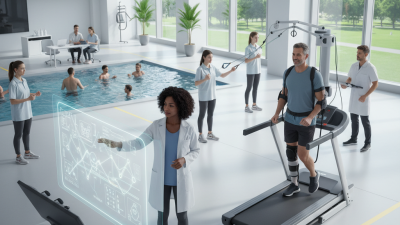
Rehabilitation Therapy Research is evolving rapidly, driven by advancements in technology and a deeper understanding of patient needs. Recent studies highlight new methods focusing on personalized approaches. These techniques aim to improve outcomes for a diverse range of conditions, from neurological disorders to orthopedic injuries.
Incorporating artificial intelligence and telehealth into rehabilitation practices presents both opportunities and challenges. Some researchers emphasize the importance of data-driven therapies, while others call for a more human-centered approach. It becomes evident that blending technology with empathetic care can enhance patient engagement and satisfaction.
While the future looks promising, several issues need addressing. The accessibility of these advanced therapies remains a concern. Moreover, ensuring that all patients benefit equally from these innovations is critical. Effective collaboration among practitioners, researchers, and patients is essential to pave the way for successful rehabilitation therapy practices.
Emerging Technologies in Rehabilitation Therapy Research
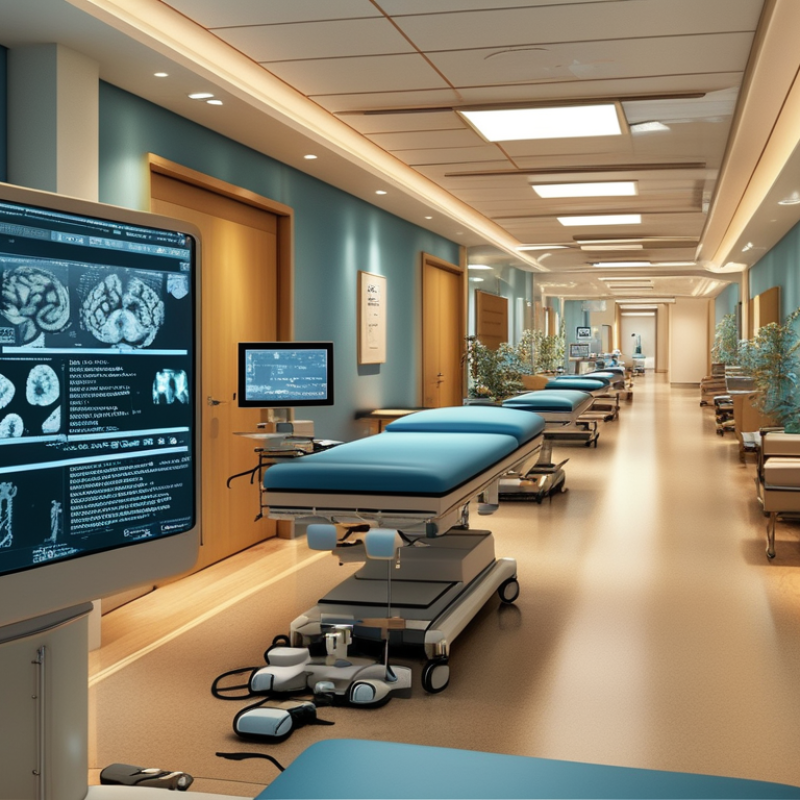
Emerging technologies are transforming rehabilitation therapy research. Innovations like virtual reality are being used to create immersive environments for patients. These technologies enhance engagement and motivation during therapy sessions. Patients can practice real-life scenarios in a controlled setting. This approach is showing promise for those recovering from strokes or injuries. The interactive nature of virtual reality allows for personalized therapy.
Wearable devices are another advancement. They track patient movements and provide real-time feedback. This data aids therapists in adjusting treatment plans based on individual progress. However, there are challenges. Not all patients find these devices user-friendly. Accessibility is also a concern. Some may not have access to the latest technology. These issues raise questions about equity in rehabilitation therapy.
Artificial intelligence is being explored too. AI can analyze large datasets to identify effective rehabilitation strategies. Machine learning algorithms can predict patient outcomes based on historical data. Yet, dependency on technology raises ethical concerns. The human touch in therapy should not be overlooked. Balancing technology with personal interaction is crucial for effective rehabilitation.
Innovative Approaches to Patient-Centered Rehabilitation
Innovative approaches to patient-centered rehabilitation are transforming therapy outcomes. Recent studies highlight the importance of tailoring treatment plans to individual needs. Research published in the "American Journal of Physical Medicine & Rehabilitation" shows that personalized rehabilitation can lead to a 30% increase in patient satisfaction rates.
Telehealth services are playing a significant role in this evolution. A 2022 report from the "Rehabilitation Research and Practice" journal indicates that virtual therapy sessions improved access for patients in remote areas. These sessions allow for flexibility while maintaining therapeutic effectiveness. However, the digital divide poses challenges for some, as not all patients have equal access to technology.
The integration of wearables into rehabilitation is another trend. Devices that track movement and provide real-time feedback can enhance recovery. According to the "Journal of Rehabilitation Medicine," patients using wearable tech showed a 25% improvement in adherence to rehab exercises. The potential for self-monitoring is promising, yet many patients struggle with consistent use. Innovating within this space remains essential for ensuring equal benefits for all.
What Are the Latest Trends in Rehabilitation Therapy Research?
| Trend |
Description |
Impact on Patient Care |
Research Focus |
| Tele-rehabilitation |
Remote delivery of rehabilitation services using digital tools. |
Increased access to care, especially for rural patients. |
Efficacy and usability of digital platforms in therapy. |
| Personalized Therapy |
Tailoring rehabilitation programs to individual patient needs. |
Better outcomes and higher patient satisfaction levels. |
Analytics and data-driven approaches to treatment. |
| Use of VR and AR |
Integrating virtual and augmented reality in therapy sessions. |
Enhanced engagement and motivation for patients. |
Studies on effectiveness and patient experiences. |
| Robotics and Exoskeletons |
Application of robotic devices to assist in physical rehabilitation. |
Improved mobility and strength recovery. |
Research on long-term benefits of assisted therapy. |
| Mindfulness-Based Interventions |
Incorporating mindfulness and mental health strategies into rehab. |
Addressing psychological barriers to physical recovery. |
Effects of mental wellness on rehabilitation outcomes. |
Trends in Neurological Rehabilitation: Focus on Motor Recovery
Recent advancements in neurological rehabilitation therapy emphasize a holistic approach to motor recovery. This trend reflects a growing understanding that therapy should address not only physical deficits but also cognitive and emotional well-being. According to a 2022 report by the Rehabilitation Research and Development Service, nearly 70% of stroke survivors experience significant motor impairment. Traditional treatment methods often fall short, highlighting the need for innovative strategies.
Incorporating technology into rehabilitation is becoming vital. Virtual reality and robotics are gaining traction in sessions. A study published in the Journal of NeuroEngineering and Rehabilitation indicated that patients using robotic devices showed a 30% greater improvement in motor function compared to those undergoing standard therapy. This suggests that integrating tech solutions can enhance patient outcomes, but these methods can be expensive and less accessible for some.
Despite these advancements, challenges remain. Not all facilities can offer cutting-edge therapies. Some practitioners may still rely on outdated approaches, limiting patient potential. Continuous training and updated knowledge are crucial. The field must reflect on these barriers to improve access and ensure patients receive the best possible rehabilitation care. Embracing these trends is essential, yet the profession must also confront the realities that persist in healthcare settings.
Integrating Virtual Reality in Rehabilitation Therapy Practices
Virtual reality (VR) is transforming rehabilitation therapy. This innovative technology helps patients engage in their recovery process. By simulating real-life scenarios, patients can practice skills in a controlled environment. For example, VR can recreate walking in a busy park or maneuvering through obstacles.
Therapists report that VR increases motivation. Patients often find traditional exercises dull. In contrast, VR turns therapy into a game. They tend to complete more tasks and practice longer. However, the integration of VR isn't without challenges. Some patients may feel dizzy or disoriented. The learning curve can also be steep for both patients and therapists.
There’s a need for research to determine the best practices. While some patients thrive in VR, others may struggle. Personalization in therapy is key. Not every patient will respond the same way to VR. Continuous evaluation of its effectiveness is necessary to ensure the best outcomes. This field is still evolving, and unanswered questions remain.
The Role of Artificial Intelligence in Personalized Rehabilitation Plans
The integration of artificial intelligence (AI) in rehabilitation therapy has emerged as a transformative trend. AI can analyze vast amounts of patient data, providing insights that human therapists may overlook. Personalized rehabilitation plans can be crafted based on individual progress, needs, and goals. This tailored approach ensures that each patient receives the attention they require. Real-time adjustments can be made, enhancing the effectiveness of therapy sessions.
However, the reliance on AI raises questions. Can we trust algorithms completely in such a sensitive field? The risk of over-dependence on technology might hinder the human touch essential for healing. Digital tools can provide recommendations, but they should supplement, not replace, therapist expertise. Professionals must remain involved and evaluate AI-generated plans critically.
Moreover, ethical considerations arise in data usage. Protecting patient privacy is crucial. Patients need assurance that their information is secure. As AI continues to evolve in rehabilitation therapy, ongoing dialogue among healthcare providers is essential. Striking a balance between innovation and personal connection is vital for effective rehabilitation outcomes.