What is Rehabilitation Nursing Practice and Its Benefits?
Rehabilitation Nursing Practice is a vital field in healthcare. It focuses on helping individuals recover from illness or injury. According to Dr. Sarah Johnson, an expert in rehabilitation nursing, "Rehabilitation is about restoring hope and independence through skilled care."
In this practice, nurses play a crucial role. They assess patients' needs, create tailored care plans, and guide recovery. This patient-centered approach enhances both physical and emotional well-being. The benefits are significant. Patients experience shorter recovery times and improved quality of life.
Challenges remain in the field of Rehabilitation Nursing Practice. Not all patients respond the same way to treatment. Some may struggle with motivation or face setbacks. Continuous learning and adaptation are necessary for nurses. A commitment to improvement is essential for success.
Understanding Rehabilitation Nursing Practice
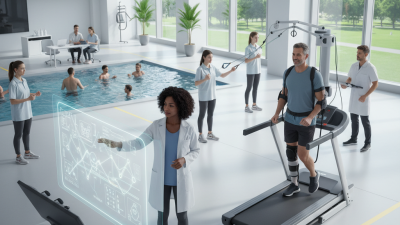
Rehabilitation nursing practice focuses on helping individuals regain their independence after illness or injury. Nurses in this field are trained to assess patients' needs and create customized plans for physical recovery. They work closely with patients to set achievable goals. This process often includes exercises, therapy sessions, and emotional support.
Communication plays a vital role in rehabilitation nursing. Nurses must listen and respond to their patients' concerns. Building trust encourages patients to engage fully in their recovery process. Establishing a positive rapport can especially help those feeling overwhelmed or anxious about their condition.
**Tip:** Clear and encouraging language can motivate patients. Small victories, like completing a simple task, should be celebrated.
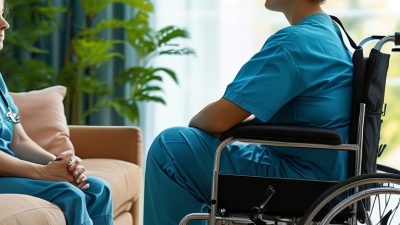
Rehabilitation nursing also involves family education. Involving family members creates a supportive environment. Nurses can teach families how to assist their loved ones at home, reinforcing the recovery efforts. This holistic approach benefits everyone involved.
**Tip:** Regular check-ins can help family members stay informed about a patient's progress. Open dialogue is essential for everyone’s peace of mind.
By understanding these aspects of rehabilitation nursing, we recognize its significant impact. Every step taken in recovery matters, albeit small. This journey can sometimes be slow or challenging, but the rewards are profound.
Key Components of Rehabilitation Nursing
Rehabilitation nursing is a specialized field that focuses on helping patients recover from illness or injury. Key components of rehabilitation nursing include assessment, goal setting, and intervention. Each of these elements plays a vital role in the patient's healing process.
Assessment is essential. Nurses use various tools to understand a patient's physical and emotional status. This helps in creating a personalized care plan. Goals must be realistic and achievable, guiding patients toward recovery. However, goal setting can be challenging. It requires collaboration between the patient and the healthcare team. Regular reassessment is necessary to adjust goals as progress is made.
Intervention comprises therapeutic exercises, education, and emotional support. Nurses teach patients self-care strategies and coping mechanisms. The process is often not straightforward. Barriers such as pain or fear can hinder progress. Nurses must remain patient and understanding. This empathy can make a significant difference in the healing journey. Encouraging open communication creates a trusting environment for patients.
Benefits of Rehabilitation Nursing Practice
The Role of Rehabilitation Nurses in Patient Recovery
Rehabilitation nurses play a critical role in the recovery process for patients facing physical and cognitive challenges. Their primary focus is to assist individuals in regaining independence after injury, illness, or surgery. This specialized care involves assessing the patient's needs, developing personalized care plans, and providing ongoing support and education. The goal is not just to treat the condition but to empower patients with the skills and knowledge they need for daily living.
One of the most significant aspects of rehabilitation nursing is the emphasis on holistic care. Nurses work closely with a multidisciplinary team, including physical therapists and occupational therapists, ensuring a comprehensive approach to recovery. They monitor progress, adjust care plans, and provide motivation along the way. However, rehabilitation nursing is not without challenges. Each patient's journey is unique, and setbacks can occur. The ability to adapt and remain patient-centered is crucial for effective recovery. It requires constant reflection and learning, as nurses must balance empathy with professional boundaries. This delicate dance is vital for fostering trust and encouraging resilience in patients.
What is Rehabilitation Nursing Practice and Its Benefits? - The Role of Rehabilitation Nurses in Patient Recovery
| Rehabilitation Nursing Role |
Key Responsibilities |
Benefits to Patients |
| Assessment and Planning |
Conducting assessments to determine patient needs and creating personalized care plans. |
Improved recovery outcomes through tailored interventions. |
| Patient Education |
Teaching patients about their condition, treatment procedures, and rehabilitation processes. |
Empowered patients who are informed about their care can engage actively in recovery. |
| Skill Development |
Assisting patients in developing daily living skills and mobility through therapeutic exercises. |
Enhanced independence and quality of life for patients. |
| Emotional Support |
Providing psychological support and encouragement during the rehabilitation process. |
Decreased feelings of isolation and improved mental health outcomes. |
| Collaboration with Healthcare Team |
Working with a multidisciplinary team to ensure comprehensive rehabilitation care. |
Holistic care that addresses all aspects of recovery, enhancing overall success. |
Benefits of Rehabilitation Nursing for Patients and Families
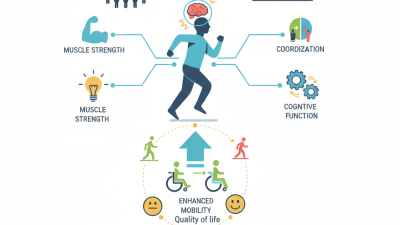
Rehabilitation nursing offers numerous benefits for patients and their families. These specialized nurses focus on recovery and support. They help patients regain independence after illness or injury. This process is vital for both physical and emotional healing. Families also benefit from the guidance and education provided by rehabilitation nurses. Understanding the patient's needs can alleviate stress for family members.
One powerful benefit of rehabilitation nursing is improved patient outcomes. Personalized care leads to faster recovery times. This is often reflected in higher patient satisfaction. Additionally, the emotional support rehabilitation nurses provide helps patients stay motivated. A positive attitude during recovery is crucial for success. Families are more informed about the challenges their loved one faces. They can actively participate in the healing process.
However, challenges remain in rehabilitation nursing. Patients may struggle with motivation at times. They might feel overwhelmed by the recovery process. Family members can also feel helpless. Addressing these struggles is essential. Nurses can promote open communication among all parties. Encouraging conversations leads to better understanding and cooperation. This integrated support strengthens the rehabilitation experience for everyone involved.
Challenges and Future Directions in Rehabilitation Nursing Practice
Rehabilitation nursing faces numerous challenges in today's healthcare landscape. An aging population increases the need for effective rehabilitation services. Nurses must adapt to various settings, from hospitals to outpatient facilities. Each environment carries unique demands. The growing complexity of patient conditions requires ongoing education and training. Nurses must stay updated with evolving treatment protocols.
Collaboration among healthcare teams is critical but often flawed. Communication barriers can hinder effective teamwork. Additionally, the integration of technology poses both opportunities and challenges. While telehealth expands access to care, it also demands tech-savviness from nursing professionals. Rehabilitation nurses must navigate these tools effectively, balancing patient interaction with digital platforms.
Moreover, addressing diverse patient needs remains a challenge. Cultural competence is essential in rehabilitation nursing. Nurses must understand individual backgrounds to provide tailored care. This personalization can sometimes be overlooked amid high caseloads. The future of rehabilitation nursing depends on recognizing these obstacles and striving for improvement in practice and education.