Top Rehabilitation Physiotherapy Equipment for Global Buyers?
Rehabilitation physiotherapy equipment plays a critical role in enhancing recovery outcomes for patients worldwide. According to a recent market report by Grand View Research, the global physiotherapy equipment market is projected to reach $27.8 billion by 2027. This growth is fueled by an increasing aging population and rising cases of musculoskeletal disorders.
Investments in rehabilitation physiotherapy equipment are essential for healthcare facilities aiming to improve patient care. Advanced machines such as ultrasound therapeutic devices and functional electrical stimulators are gaining popularity. These innovations not only aid recovery but also provide real-time feedback for therapists. However, not all facilities have access to the latest technologies. This gap can lead to discrepancies in patient outcomes.
Even with sophisticated tools, the expertise of caregivers remains crucial. The effectiveness of rehabilitation physiotherapy equipment relies on skilled professionals who understand how to utilize these tools to their fullest potential. Continuous training and education for physiotherapists are needed to ensure that they can interpret data and adapt techniques effectively. As the industry evolves, the need for reliable equipment and trained professionals will only increase.
Key Features to Consider in Rehabilitation Physiotherapy Equipment
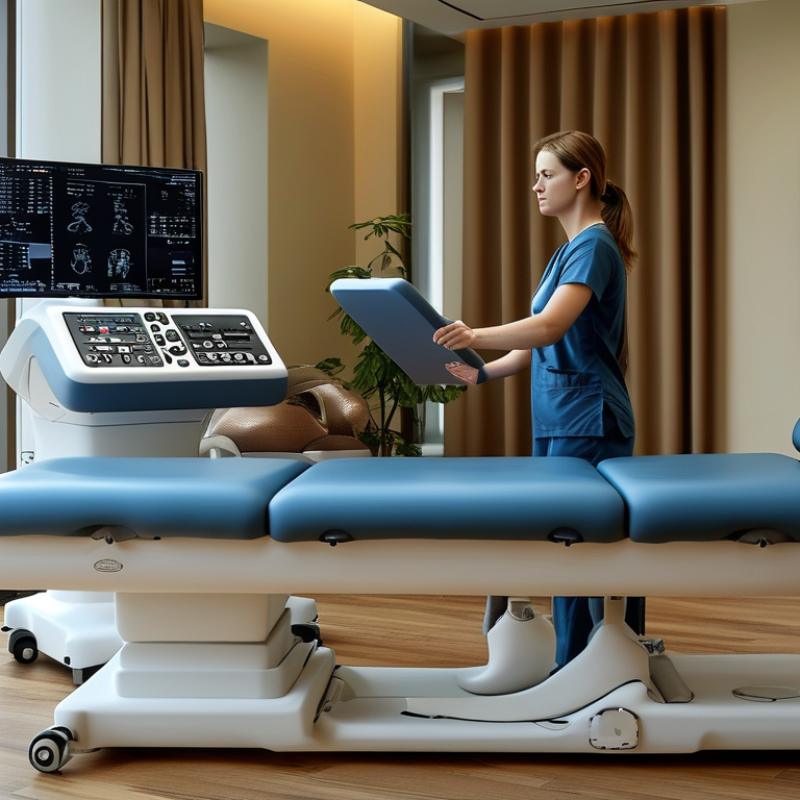
When selecting rehabilitation physiotherapy equipment, key features should guide your choice. One crucial aspect is adjustability. Equipment should fit various body sizes and rehabilitation needs. A height-adjustable treatment table allows therapists to provide support tailored to each patient. Easy adjustment enhances comfort during sessions.
Durability is another important feature. Physiotherapy equipment faces rigorous daily use. Materials must resist wear and tear. Look for gear that can endure repeated stress without compromising safety. Equipment with a solid warranty shows confidence in its longevity.
Moreover, user-friendly designs can improve therapy efficiency. Equipment should not only be functional but also intuitive. Complex setups can waste precious time. Streamlined designs promote a better experience for both therapists and patients. A focus on ergonomics can reduce the risk of injury for practitioners.
Reflecting on these aspects can significantly enhance treatment effectiveness. Equipment that does not meet these criteria may hinder progress. Investing in the right tools is essential for successful rehabilitation outcomes.
Types of Rehabilitation Physiotherapy Equipment for Various Needs
Rehabilitation physiotherapy equipment is diverse. It caters to various needs in recovery and physical therapy. Patients might require different tools depending on their specific conditions.
One essential category includes resistance training devices. These can range from simple resistance bands to more advanced weight machines. They help rebuild strength and improve mobility after injury. Another critical type is balance training equipment. Balance boards and stability balls can enhance coordination and prevent future falls.
Tips: Always consult a physiotherapist before selecting equipment. Individual needs can vary widely. It's essential to use equipment correctly to avoid injury. Training with a professional can maximize benefits.
Another category is mobility aids, such as walkers and scooters. They assist individuals with limited mobility, making daily tasks easier. Additionally, hydrotherapy equipment, like underwater treadmills, supports recovery in a low-impact environment. This type of therapy is often more comfortable but is not suitable for everyone.
Tips: Remember to assess personal goals. Equipment must align with recovery objectives. Document progress to help in selecting the right tools for continued improvement. Health conditions may change, requiring a reevaluation of needs.
Top Brands and Manufacturers in Rehabilitation Physiotherapy Equipment
When it comes to rehabilitation physiotherapy equipment, quality matters. Buyers look for reliable products that support patient recovery effectively. Several top brands have established a reputation for producing innovative and durable equipment. These manufacturers focus on various needs, from mobility aids to strength training devices.
Selecting the right equipment involves understanding the diverse options available. Brands often provide intuitive designs, making it easier for therapists to implement interventions. However, some may overlook crucial specifications that could impact therapy outcomes. It's essential to consider user feedback and performance reviews when evaluating the options.
While many brands boast high-quality equipment, not all products deliver equally. There can be inconsistencies in durability and user experience. Some devices may not meet the expectations of both therapists and patients. Therefore, conducting thorough research is vital. This ensures that the chosen equipment aligns with specific rehabilitation goals and enhances overall treatment efficacy.
Top Rehabilitation Physiotherapy Equipment for Global Buyers
| Equipment Type |
Key Features |
Target User Group |
Price Range (USD) |
| Therapeutic Ultrasound Machine |
Pain relief, tissue healing, adjustable frequency |
Athletes, post-surgery patients |
$500 - $2000 |
| Electrical Stimulation Unit |
Muscle re-education, pain management |
Rehabilitation patients, seniors |
$300 - $1500 |
| Therapy Bands |
Variable resistance, portable |
Home users, fitness enthusiasts |
$10 - $50 |
| Balance Training Equipment |
Improves stability, versatile |
Elderly, individuals recovering from injury |
$100 - $600 |
| Hydrotherapy Pool |
Low-impact exercising, relaxing environment |
Patients with joint issues, arthritis |
$5000 - $50000 |
| Stationary Exercise Bike |
Cardiovascular health, adjustable settings |
Rehabilitation patients, general fitness users |
$200 - $1500 |
Global Market Trends for Rehabilitation Physiotherapy Equipment
The market for rehabilitation physiotherapy equipment is evolving rapidly. Technology advances, coupled with an aging population, are driving this demand. Moreover, the focus on patient-centered care has shifted equipment design toward enhancing usability and comfort.
Innovative devices are emerging. For instance, smart therapy tools that track progress in real-time are now available. These tools offer valuable insights for both patients and healthcare professionals. However, integrating technology with traditional methods can pose challenges. Some practitioners may hesitate to adopt new devices due to a lack of familiarity.
Tips: Consider the level of training required. Ensure your team feels comfortable using new equipment. Additionally, remember that not every device will suit every patient. Individual needs must remain a priority.
As the global market trends indicate, rehabilitation equipment continues to diversify. From portable devices for home use to advanced machines for clinic settings, the options are vast. This diversity can create confusion for buyers. Always research thoroughly before making investments.
Essential Maintenance Tips for Rehabilitation Physiotherapy Devices
Rehabilitation physiotherapy devices are vital for patient recovery. However, their effectiveness relies heavily on proper maintenance. Neglected equipment can lead to suboptimal treatment and increased risks for patients.
One essential tip is to conduct routine checks on all devices. Check for wear and tear on cables and moving parts. Small issues can escalate into bigger problems if overlooked. Regular cleaning is equally important. Dust and moisture can accumulate, potentially damaging sensitive components. Use designated cleaning solutions to avoid any adverse effects.
Training staff to recognize signs of equipment malfunction is crucial. A knowledgeable team can address issues promptly. Conducting workshops can enhance their understanding of device functionality. An informed staff ensures a safer and more efficient rehabilitation environment. Always document maintenance activities for future reference. This creates an accountability system that helps in spotting recurring issues. These practices will foster a reliable rehabilitation process.