• 103qo

    Wechat

  • 117kq

    MicroBlog

Empowering Lives, Healing Minds, Caring Always

Leave Your Message

Top 10 Stem Cell Disease Therapy Suppliers Worldwide?

The global Stem-Cell Disease Therapy market is moving from laboratory promise toward carefully controlled clinical application. Our overview of the Top 10 Stem Cell Disease Therapy Suppliers Worldwide examines companies supporting cell development, manufacturing, storage, delivery, and clinical research. It does not treat a large market presence as proof of medical success.

Real evidence matters.

The comparison considers peer-reviewed studies, registered clinical trials, manufacturing standards, quality controls, and transparent regulatory information. It also reviews disease focus, including blood disorders, immune conditions, neurological diseases, and tissue damage. A supplier may offer advanced platforms, yet still face limitations in long-term safety data or large-scale production. That uncertainty deserves attention.

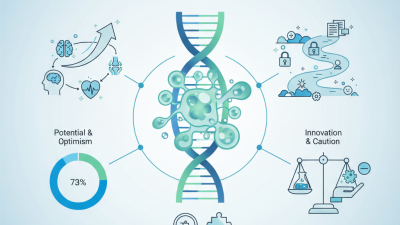
Nobel Prize-winning stem-cell researcher Shinya Yamanaka said, “I think this is a very exciting time for stem cell research.” His optimism reflects the field’s potential, but responsible evaluation must balance excitement with caution. Treatments require more than attractive laboratory images or impressive company presentations. They need reproducible results, skilled clinical teams, traceable materials, and patient-centered follow-up.

Details can reveal the difference. A reliable supplier should document cell identity, potency testing, contamination controls, storage temperatures, and batch consistency. Even small gaps may affect outcomes. Some information remains difficult to compare across regions, and commercial claims are not always equally detailed. This article therefore offers a practical starting point, not a final verdict. Readers should verify current approvals, published evidence, and professional medical guidance before making decisions.

Top 10 Stem Cell Disease Therapy Suppliers Worldwide?

Global Stem Cell Disease Therapy Supplier Landscape

The global stem cell disease therapy supplier landscape is becoming more specialized. Suppliers now cover cell sourcing, culture media, gene delivery, cryopreservation, clinical manufacturing, and quality testing. The strongest candidates combine validated processes with dependable cold-chain logistics. They also document donor screening, traceability, and batch release standards.

Market estimates differ by methodology. Grand View Research valued the global stem cell therapy market at approximately USD 13 billion in 2023, with strong growth projected through 2030. The Alliance for Regenerative Medicine reported continued investment in cell and gene therapy, despite tighter funding conditions. These figures suggest expanding demand, but they do not prove equal supplier quality. Buyers should examine clinical evidence, manufacturing capacity, regulatory history, and delivery performance.

Regional differences remain clear. North America leads advanced clinical manufacturing, while Europe emphasizes regulatory consistency and specialized research networks. Asia-Pacific is expanding production capacity and local clinical development. Supplier rankings should therefore measure more than revenue. A smaller provider may offer better batch control or faster technical support. That detail matters beside a cryogenic shipment. However, public data can be incomplete, and some market reports rely on commercial estimates. Independent audits, peer-reviewed evidence, and transparent quality records remain essential when comparing the top ten global suppliers.

Top 10 Stem Cell Disease Therapy Suppliers Worldwide? - Global Stem Cell Disease Therapy Supplier Landscape

Comparative landscape of major supplier profiles by therapeutic platform, manufacturing capability, development support, and disease-area coverage. Supplier identities are intentionally anonymized.

Position Supplier Profile Primary Operating Region Core Cell Platforms Therapy Configuration Manufacturing Capability Development Stage Supported Main Disease Areas Regulatory Support Commercial Supply Model
01 Supplier Profile A North America and Europe Mesenchymal stromal cells; induced pluripotent stem cell derivatives Allogeneic, off-the-shelf products GMP cell banking, expansion, cryopreservation, fill-finish coordination Preclinical through Phase III Immune-mediated disease, tissue repair, oncology support CMC documentation, comparability, clinical-trial supply support Contract development and manufacturing
02 Supplier Profile B Europe and the United Kingdom Hematopoietic stem cells; cord-blood-derived cells Allogeneic donor-derived therapies Cell selection, donor qualification, cryogenic storage, batch release testing Clinical-stage and marketed-product support Hematologic malignancies, blood disorders, immune deficiency Donor eligibility, traceability, pharmacovigilance coordination Long-term inventory and hospital distribution
03 Supplier Profile C East Asia Induced pluripotent stem cells; neural progenitor cells Allogeneic cell banks and differentiated cell products Master and working cell banks, directed differentiation, potency assays Discovery through early clinical development Neurodegenerative disease, spinal cord injury, ophthalmology Pre-IND or equivalent consultation and quality-system preparation Platform licensing and development partnerships
04 Supplier Profile D North America Chimeric antigen receptor immune cells; hematopoietic stem cells Autologous and allogeneic immune-cell therapies Viral-vector-enabled processing, closed-system manufacturing, rapid release testing Phase I through commercial readiness B-cell malignancies, solid tumors, immune disorders Chain-of-identity, chain-of-custody, validation, batch-release support Patient-specific manufacturing and centralized distribution
05 Supplier Profile E Western Europe Mesenchymal stromal cells; extracellular-vesicle-related products Primarily allogeneic, with research-use autologous services Cell expansion, secretome characterization, stability studies Research through Phase II Inflammatory disease, wound healing, orthopedics Quality-by-design support, assay development, clinical documentation Custom project services and regional supply
06 Supplier Profile F Asia-Pacific Induced pluripotent stem cells; retinal pigment epithelial cells Allogeneic differentiated cell products Cell-line characterization, differentiation, cryopreserved product development Preclinical through Phase II Retinal disease, macular degeneration, inherited vision disorders Regional clinical-trial applications and product-quality packages Hospital-based administration and strategic partnerships
07 Supplier Profile G North America and Latin America Hematopoietic stem cells; mesenchymal stromal cells Donor-derived allogeneic therapies Collection, processing, immunophenotyping, cryogenic logistics Clinical and transplant-program support Hematology, transplant medicine, autoimmune disease Donor screening, tissue traceability, release testing Biobank services and institutional procurement
08 Supplier Profile H Central and Northern Europe Neural stem cells; oligodendrocyte progenitor cells Allogeneic regenerative medicine products Differentiation, potency assays, aseptic fill, cold-chain logistics Preclinical through Phase I/II Spinal cord injury, stroke, multiple sclerosis, neurodegeneration Clinical manufacturing protocols and investigator-site support Collaborative development and clinical supply
09 Supplier Profile I Middle East and Asia Adipose-derived stromal cells; mesenchymal stromal cells Autologous and allogeneic investigational products Point-of-care processing, centralized expansion, cryopreservation Early clinical and hospital-based programs Orthopedics, dermatology, wound care, inflammatory disorders Hospital compliance, process validation, clinical-use documentation Regional medical-center partnerships
10 Supplier Profile J Global delivery with Asia-Pacific manufacturing Induced pluripotent stem cells; pancreatic and cardiac progenitor cells Allogeneic, banked cell products Cell banking, directed differentiation, potency and identity testing Discovery through Phase II Diabetes, cardiac repair, liver disease, rare genetic disorders Technology transfer, analytical validation, regional filing support Licensing, co-development, and contract manufacturing
Scope and methodology: The table summarizes supplier categories commonly represented in the global stem cell therapy ecosystem, including cell banks, clinical manufacturers, contract development and manufacturing organizations, and hospital-linked cell-processing providers. Capability levels refer to publicly established industry operating models and should be independently verified during supplier qualification. Commercial availability, regulatory status, and clinical-stage claims may vary by jurisdiction and product.

Criteria for Evaluating Stem Cell Therapy Suppliers

Evaluating stem cell therapy suppliers requires more than comparing websites or advertised success rates. The Alliance for Regenerative Medicine reported more than 2,000 regenerative medicine trials worldwide in 2023, but trial volume does not prove clinical value. Check whether each therapy has approval from the relevant health authority, or is being studied under a properly registered clinical trial. A supplier should provide a trial identifier, inclusion criteria, published outcomes, and a clear adverse-event record.

Manufacturing evidence matters just as much. Ask for current good manufacturing practice certification, donor screening procedures, cell identity testing, sterility results, and batch traceability. The International Society for Stem Cell Research warns that unproven clinics often rely on testimonials instead of controlled evidence. That warning deserves attention. A clean laboratory is not automatically a reliable laboratory.

Supplier assessment should also include post-treatment monitoring. Look for defined follow-up periods, independent data review, and written plans for complications. The U.S. Food and Drug Administration states that only limited stem cell products have specific authorization in its jurisdiction, mainly blood-forming cell products from umbilical cord blood. Regulatory status can differ across countries, so vague claims such as “available worldwide” require careful checking. Pricing deserves scrutiny too. High cost does not equal high quality, and low cost may hide incomplete testing. Some evidence may still be immature; that uncertainty should be stated plainly, not softened by promotional language.

Top 10 Stem Cell Disease Therapy Suppliers Worldwide

The top 10 stem cell disease therapy suppliers worldwide should be assessed by evidence, not visibility. Grand View Research estimates the global stem cell therapy market could reach approximately USD 23 billion by 2030, with strong annual growth. This expansion increases demand for qualified cell banks, culture media, genetic testing, cryogenic storage, and clinical-grade manufacturing. A reliable supplier must show validated processes, transparent batch records, and consistent delivery performance.

Quality appears in small details. Look for sterility testing, identity confirmation, viability data, potency assays, and documented chain of custody. Suppliers serving hospitals and research centers should also demonstrate experience with good manufacturing practice environments. The Alliance for Regenerative Medicine reported about USD 8 billion in cell and gene therapy financing during 2023, despite a difficult investment climate. That figure signals opportunity, but it does not prove clinical value.

Ranking remains difficult. Market share data often mixes research products with approved therapies. That weakens simple “top 10” lists. A better comparison examines regulatory history, peer-reviewed evidence, manufacturing scalability, and post-treatment monitoring support. Some suppliers publish impressive specifications but provide limited long-term outcome data. That gap deserves attention. Buyers should request recent certificates, deviation records, stability results, and independent audit findings before making decisions.

Therapeutic Applications and Development Areas

Top 10 Stem Cell Disease Therapy Suppliers Worldwide: Therapeutic Applications and Development Areas

The leading suppliers increasingly support disease-specific programs, not only cell production. Their work covers hematological cancers, immune disorders, cartilage injury, retinal degeneration, and neurological disease. A 2024 Grand View Research analysis estimated the global stem cell therapy market at several billion U.S. dollars, with strong double-digit growth expected through 2030. That forecast reflects clinical demand, but it does not prove equal therapeutic value.

Hematopoietic stem cells remain the most established application, especially for blood cancers and inherited immune conditions. Mesenchymal stromal cells are being tested for inflammatory, cardiac, and musculoskeletal disorders. Pluripotent stem cell platforms support retinal cells, pancreatic islet cells, and dopaminergic neurons. The International Society for Stem Cell Research stresses identity testing, potency assays, and long-term patient monitoring. These details often separate a credible supplier from a merely attractive catalog.

Development is shifting toward scalable manufacturing, cryopreservation, and automated quality control. ClinicalTrials.gov lists thousands of cell-based studies, yet many remain early-stage or exploratory. The Alliance for Regenerative Medicine has repeatedly identified manufacturing consistency as a major industry barrier. That warning matters. A supplier may provide impressive laboratory data while lacking robust clinical evidence. Buyers should examine donor traceability, release specifications, contamination controls, and published follow-up periods. Some market estimates also combine approved products with experimental candidates, which can exaggerate commercial maturity. The gap remains.

Regulatory, Clinical, and Manufacturing Considerations

Top 10 Stem Cell Disease Therapy Suppliers Worldwide?

Regulatory, Clinical, and Manufacturing Considerations

A credible top-ten shortlist should begin with regulatory evidence, not advertising claims. The Alliance for Regenerative Medicine reported 8.1 billion dollars in regenerative-medicine financing during 2023. That funding reflects interest, not proven patient benefit. Suppliers should provide traceable donor records, validated assays, and complete investigational documentation. Regulatory pathways differ across regions. Approval in one jurisdiction does not guarantee acceptance elsewhere.

Clinical quality needs careful examination. Check trial registration, inclusion criteria, follow-up duration, and adverse-event reporting. The World Health Organization’s Good Manufacturing Practices guidance emphasizes controlled facilities, qualified personnel, and documented process consistency. Manufacturing matters greatly. Ask whether the supplier uses closed processing, environmental monitoring, and release testing before shipment. Review sterility, identity, potency, and viability results for every batch. A polished brochure cannot replace raw data.

Tips: Build a weighted scorecard before contacting suppliers. Give regulatory history, clinical evidence, and manufacturing controls separate scores. Request an audit trail, not only certificates. Compare shipping validation records, including temperature logs and excursion procedures. The 2024 Global Cell and Gene Therapy Market Report estimated continued double-digit market growth, but forecasts remain uncertain. That is important. Cost, scalability, and patient outcomes may conflict. A cheaper supplier can create expensive delays. No scorecard is perfect; reassess it when new safety data appears.

Top 10 Stem Cell Disease Therapy Suppliers Worldwide? — Regulatory, Clinical, and Manufacturing Considerations

This supplier-neutral framework compares ten evidence areas that should be assessed when evaluating stem cell disease-therapy suppliers. A value of 1 indicates that the area is directly relevant to the corresponding diligence domain; it is not a company ranking or a performance score.

The categories reflect established expectations in cell-therapy regulation and development, including product classification, donor eligibility, GMP controls, clinical-trial governance, potency testing, traceability, adverse-event monitoring, aseptic processing, comparability, and cold-chain management. Reference frameworks include FDA 21 CFR Part 1271, FDA cell and gene therapy guidance, ICH E6(R2/R3), and EU GMP Annex 1.