• 103qo

    Wechat

  • 117kq

    MicroBlog

Empowering Lives, Healing Minds, Caring Always

Leave Your Message

China Top Rehabilitation Training Methods Suppliers?

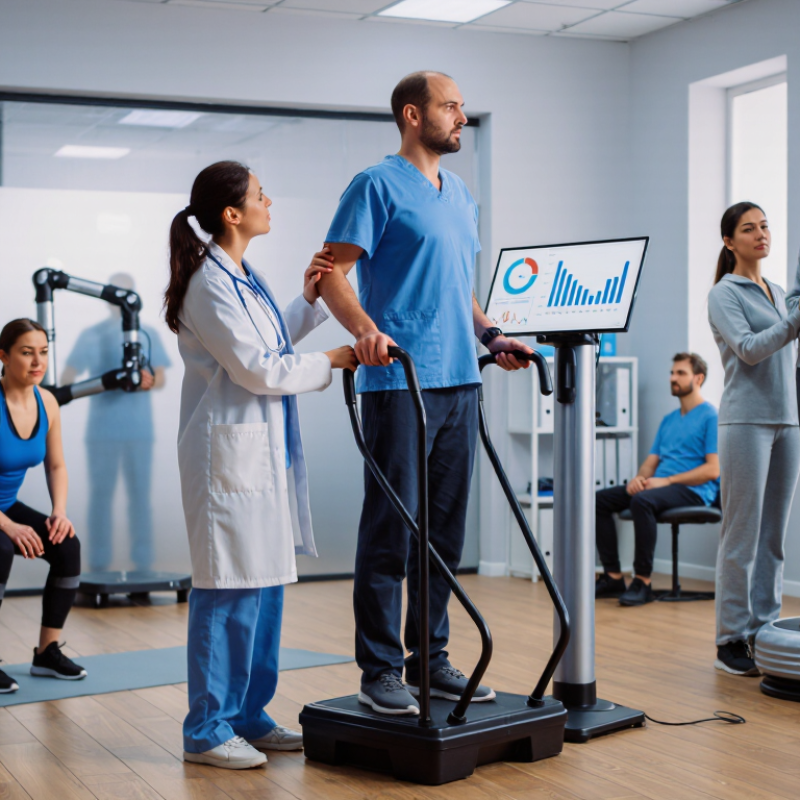
Choosing China’s top suppliers of Rehabilitation Training Methods requires more than comparing product catalogs or factory prices. Effective rehabilitation depends on safe equipment, qualified guidance, measurable progress, and practical clinical support. A supplier may offer gait trainers, balance platforms, resistance systems, robotic devices, or virtual-reality tools. However, each solution should match the patient’s mobility level, diagnosis, training goals, and available space.

Professor Lorimer Moseley, a respected pain scientist, states, “Pain is not a measure of tissue damage.” This principle matters when evaluating rehabilitation programs. Good suppliers should support gradual, evidence-informed training rather than promise instant recovery. Their systems should allow therapists to adjust resistance, repetitions, range of motion, and movement speed. Clear manuals help. Responsive technical service matters too.

Look closely at manufacturing consistency, material quality, calibration records, and safety testing. Ask whether the supplier provides installation, therapist education, spare parts, and remote assistance. A reliable company should explain limitations openly. It should also show how outcomes are monitored through balance scores, walking distance, grip strength, or daily activity performance.

No supplier is perfect. A strong factory may lack clinical insight, while an excellent clinical team may offer limited customization. That weakness deserves attention. Buyers should request product demonstrations, reference projects, and transparent warranty terms before making decisions. The best choice is rarely the cheapest one. It is the supplier that combines dependable engineering, practical training support, and honest communication with rehabilitation professionals.

China Top Rehabilitation Training Methods Suppliers?

What Are Rehabilitation Training Methods and Why Do They Matter?

Rehabilitation training methods are structured exercises that restore movement, strength, balance, or daily function after injury, illness, or surgery. Clinicians select methods according to the patient’s goals, diagnosis, age, pain, and home environment. Common approaches include therapeutic exercise, resistance training, aerobic conditioning, balance drills, flexibility work, and task-specific practice. Task-specific practice matters. Repeating a safe movement, such as standing from a chair, can connect training with real life.

The World Health Organization’s Rehabilitation 2030 initiative estimates that 2.4 billion people live with health conditions that could benefit from rehabilitation. Its Global Status Report on Physical Activity 2022 also found that 31% of adults worldwide are insufficiently active. These figures explain why rehabilitation suppliers should offer adaptable equipment and measurable programs, not simply impressive machines. A useful system should support gradual loading, clear progress tracking, and safe adjustment when fatigue or pain changes.

In practice, effective training often looks modest: ten controlled steps, a supported squat, or five minutes on a pedal device. Evidence from rehabilitation research supports progressive exercise, but results depend on supervision and adherence. Technology can help, although it cannot replace clinical judgment. This is where providers must remain honest. A sensor may record repetitions, yet it may miss fear, poor confidence, or unsafe technique. Experienced therapists should review the numbers and revise the plan. More equipment is not always better.

China Top Rehabilitation Training Methods Suppliers? - What Are Rehabilitation Training Methods and Why Do They Matter?

Rehabilitation Training Method Primary Purpose Common Clinical Applications Typical Equipment or Supplier Category Common Training Parameters Relevant Outcome Measures Key Safety Considerations
Range-of-Motion Training Maintain or improve joint mobility and reduce stiffness. Postoperative recovery, arthritis, neurological conditions, prolonged immobilization, and joint contracture prevention. Manual therapy tools, passive-motion devices, joint-mobility aids, stretching accessories, and positioning systems. Active, active-assisted, or passive movement performed within a pain-free or clinically approved range; repetitions and duration depend on the joint and diagnosis. Goniometric joint-angle measurement, pain rating, functional reach, and task-specific movement quality. Avoid forceful end-range movement, excessive pain, surgical restrictions, and aggravation of inflammation.
Progressive Resistance Training Increase muscle strength, power, endurance, and functional load tolerance. Musculoskeletal injuries, postoperative rehabilitation, age-related weakness, neurological rehabilitation, and chronic disease-related deconditioning. Adjustable resistance systems, free weights, elastic resistance, cable systems, therapy machines, and grip-strength devices. Resistance is progressively increased according to technique, symptoms, fatigue, and clinical goals; repetitions and sets are individualized. Manual muscle testing, dynamometry, repetition performance, sit-to-stand ability, and patient-reported function. Use controlled technique and monitor pain, swelling, abnormal fatigue, blood-pressure response, and surgical loading limits.
Aerobic and Cardiovascular Training Improve cardiovascular fitness, walking tolerance, energy levels, and participation in daily activities. Cardiac and pulmonary rehabilitation, stroke recovery, spinal-cord injury, obesity-related deconditioning, and general functional decline. Recumbent or upright cycle systems, treadmills, upper-body ergometers, step platforms, and monitored exercise stations. Intensity is commonly guided by symptoms, perceived exertion, heart rate, oxygen saturation, and medical restrictions; interval training may be used when continuous exercise is not tolerated. Six-minute walk test, timed walking distance, workload, heart rate, oxygen saturation, perceived exertion, and activity tolerance. Screen for cardiovascular and respiratory risk; stop or modify exercise for chest pain, severe breathlessness, dizziness, abnormal heart rhythm, or unsafe vital signs.
Balance and Proprioception Training Improve postural control, sensory integration, stability, and fall resistance. Falls prevention, vestibular disorders, ankle injuries, stroke, Parkinsonian conditions, and lower-limb weakness. Balance platforms, foam surfaces, parallel bars, force-measurement systems, visual-feedback systems, and safety harnesses. Progression may move from wide to narrow support, stable to unstable surfaces, eyes open to reduced visual input, and static to dynamic tasks. Berg Balance Scale, Timed Up and Go, Functional Reach Test, single-leg stance, gait speed, and fall history. Provide guarding or harness support when needed and remove trip hazards; challenge should remain appropriate to the patient’s fall risk.
Gait and Locomotor Training Improve walking speed, symmetry, endurance, foot clearance, and safe community mobility. Stroke, spinal-cord injury, traumatic brain injury, cerebral palsy, orthopedic surgery, and age-related mobility limitations. Parallel bars, gait trainers, body-weight-support systems, treadmills, stepping systems, walking aids, and motion-analysis equipment. Practice may include overground or treadmill walking, variable speeds, direction changes, obstacles, and task-specific walking with appropriate assistance. 10-Meter Walk Test, six-minute walk test, cadence, step length, walking assistance level, and Functional Ambulation Category. Use correct harness and equipment settings, check footwear and orthoses, and monitor fatigue, knee buckling, skin pressure, and cardiovascular response.
Task-Oriented Functional Training Transfer improvements in strength and control into meaningful daily activities. Stroke, neurological rehabilitation, orthopedic recovery, work-related injury, and activities-of-daily-living limitations. Transfer platforms, stairs, reach-and-grasp tools, therapy tables, household simulation units, and adaptive activity equipment. Repeated practice of real-life tasks such as transfers, stair climbing, reaching, dressing, lifting, and object manipulation, with graded difficulty. Barthel Index, Functional Independence Measure, task-completion time, assistance level, and patient-specific goal attainment. Adapt task height, weight, speed, and environmental complexity; ensure safe transfer techniques and appropriate supervision.
Neuromuscular Electrical Stimulation Support muscle activation, reduce disuse weakness, and assist functional movement. Foot-drop management, postoperative weakness, stroke-related motor impairment, muscle re-education, and selected spinal-cord injury applications. Clinically adjustable stimulation units, electrodes, lead wires, electrode accessories, and functional stimulation systems. Frequency, pulse duration, intensity, ramp time, and duty cycle are selected according to the target muscle, treatment objective, sensation, and clinical protocol. Muscle force, active range of motion, gait parameters, task performance, spasticity assessment, and patient comfort. Check contraindications, skin condition, electrode placement, sensation, and tolerance; use additional caution with implanted electronic devices and impaired sensation.
Aquatic Rehabilitation Use buoyancy, hydrostatic pressure, and water resistance to support movement and reduce joint loading. Osteoarthritis, postoperative orthopedic rehabilitation, chronic pain, neurological conditions, balance limitations, and low-impact conditioning. Therapy pools, pool lifts, steps, handrails, flotation supports, aquatic resistance tools, and water-quality monitoring systems. Water depth, temperature, buoyancy support, walking speed, resistance tools, and exercise duration are adjusted to the individual’s mobility and medical status. Pain score, walking distance, joint range of motion, balance performance, strength, and land-based functional carryover. Screen for open wounds, infection, incontinence, uncontrolled seizures, cardiopulmonary instability, and water-safety risks.
Respiratory Muscle and Breathing Training Improve breathing efficiency, respiratory muscle performance, airway clearance, and exercise tolerance. Chronic respiratory disease, postoperative care, neuromuscular disorders, intensive-care recovery, and reduced ventilatory endurance. Inspiratory or expiratory muscle trainers, breathing-feedback devices, airway-clearance tools, spirometry equipment, and monitoring systems. Resistance and workload are prescribed after clinical assessment and may be progressed according to respiratory muscle strength, symptoms, and oxygenation. Maximal inspiratory pressure, maximal expiratory pressure, spirometric measures, oxygen saturation, dyspnea rating, and functional exercise capacity. Use medical screening and monitor breathlessness, oxygen saturation, dizziness, respiratory distress, and infection-control requirements.
Supplier Evaluation Dimensions: clinical suitability, adjustment range, patient safety features, cleaning and infection-control requirements, durability, accessibility, measurement capability, staff training, maintenance support, documentation, and total cost of ownership.

Which Rehabilitation Training Methods Are Commonly Supplied in China?

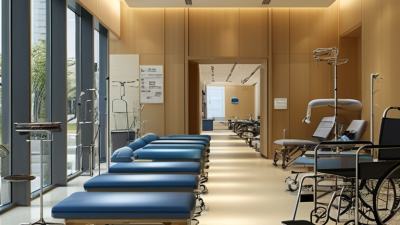
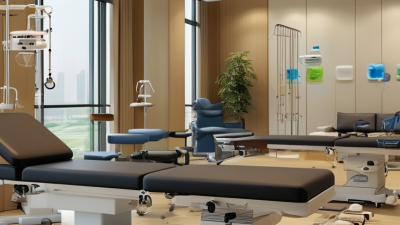
China’s rehabilitation training suppliers commonly provide physical therapy, occupational therapy, and neurological rehabilitation methods. Their catalogues often include parallel bars, gait trainers, balance boards, resistance systems, and adjustable treatment tables. These tools support walking practice, joint mobility, muscle strengthening, and postural control.

Neurological programmes usually combine task-oriented training, transfer practice, and upper-limb coordination exercises. Speech and swallowing rehabilitation is also increasingly supplied for stroke and neurological patients. Orthopaedic packages focus on range-of-motion training, progressive resistance, and return-to-function exercises. Cardiopulmonary rehabilitation may include monitored cycling, breathing exercises, and endurance conditioning. According to the World Health Organization’s Global Report on Health Equity for Persons with Disabilities, about 1.3 billion people worldwide experience significant disability, increasing demand for accessible rehabilitation services. China’s National Bureau of Statistics reported that people aged 65 and above represented 15.4% of the population in 2023, creating further demand for safe mobility training.

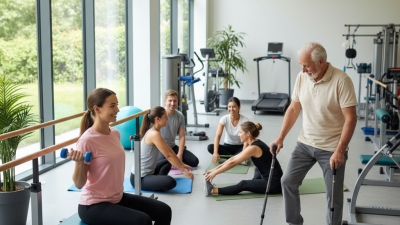
Practical suppliers often customise packages for hospitals, eldercare centres, and community clinics. A useful setup may include a height-adjustable step, handrails, a mirror, therapy mats, and simple assessment tools. Small details matter. A crowded training area can reduce safety and therapist efficiency. Some catalogues still emphasise equipment quantity over clinical workflow. That deserves scrutiny. Equipment cannot replace qualified assessment, progressive supervision, or patient feedback. Based on WHO rehabilitation guidance, suppliers should show intended users, contraindications, adjustment ranges, and maintenance requirements. These details make purchasing decisions more reliable, although product documentation is not always complete.

How to Compare China’s Leading Rehabilitation Training Suppliers

China Top Rehabilitation Training Methods Suppliers?

Comparing China’s leading rehabilitation training suppliers requires more than checking product catalogs. Look for training methods supported by clinical reasoning, practical demonstrations, and measurable learner outcomes. A reliable supplier should explain who designs the curriculum and how often it is reviewed. Ask whether instructors have rehabilitation experience, teaching credentials, and current field knowledge. Theory alone is not enough.

Request a sample lesson before signing a contract. Watch how instructors assess movement, adapt exercises, and explain safety limits. Strong programs use case studies, supervised practice, feedback forms, and post-training assessments. Check the training venue carefully. Clean practice areas, adjustable equipment, clear emergency procedures, and accessible learning materials show operational discipline. Small details matter.

Compare supplier responses in writing. Review course hours, trainer availability, translation support, certification conditions, maintenance guidance, and after-sales communication. Ask for references from similar clinics or education centers, while protecting patient privacy. Pricing deserves attention, but the cheapest offer may reduce practical coaching. A polished presentation can still hide weak delivery. My own comparison is never perfect, because supplier claims need independent verification. A short pilot course can reveal teaching quality better than a long sales meeting. Measure learner confidence, technique accuracy, attendance, and follow-up support after training. These records create a more dependable basis for selecting a rehabilitation training partner.

What Equipment, Services, and Certifications Should Buyers Evaluate?

When evaluating rehabilitation training equipment suppliers in China, buyers should examine function before appearance. WHO estimates that 2.4 billion people could benefit from rehabilitation services worldwide. The need is substantial. Check adjustable resistance, patient weight limits, movement range, emergency stops, and cleaning surfaces. Ask for test videos using real patient scenarios, not only studio demonstrations. I also inspect welds, cables, pinch points, and display readability. Small flaws become costly during daily clinical use.

Service capability matters as much as hardware. Request installation records, therapist training plans, preventive maintenance schedules, spare-parts availability, and response-time commitments. A supplier should explain calibration procedures and software updates clearly. The WHO and UNICEF Global Report on Assistive Technology (2022) projects demand for assistive products could exceed 3.5 billion users by 2050. Reliable support will therefore influence long-term value. Test it physically. Do not rely on brochures alone.

Certification requires careful verification. For medical devices, buyers should review an ISO 13485 quality-management certificate, applicable IEC 60601 safety testing, and ISO 14971 risk-management evidence. CE documentation may be relevant for European markets, but its scope must match the exact device and intended use. Confirm certificate validity with the issuing body. Documents need checking. One common mistake is treating a certification logo as proof of clinical effectiveness. Ask for usability studies, clinical evaluation reports, traceability records, and complaint-handling procedures. I would also request references from facilities with similar patient populations, while admitting that supplier references can be selective.

China Rehabilitation Training Equipment Supplier Evaluation

International standards and evidence areas buyers should review when assessing rehabilitation training equipment suppliers. The count shows the named reference standards commonly associated with each evaluation area; applicability depends on the product and destination market.

Core references include ISO 13485 for medical-device quality management, ISO 14971 for risk management, IEC 60601-1 and IEC 60601-1-2 for electrical safety and electromagnetic compatibility, IEC 62366-1 for usability engineering, IEC 62304 for medical-device software, and ISO 10993-1 for biological evaluation. Buyers should also verify testing reports, traceability, warranty terms, operator training, installation support, spare-parts availability, and post-sale service coverage.

How to Select the Right Chinese Supplier for a Rehabilitation Program

Selecting a Chinese rehabilitation training methods supplier requires more than comparing catalog prices. The World Health Organization estimates that 2.4 billion people globally may benefit from rehabilitation services. Demand is growing, but quality varies widely. Ask suppliers for clinical evidence, trainer qualifications, and clearly defined learning outcomes. A credible supplier should explain how exercises support strength, balance, mobility, or neurological recovery. Request sample lesson plans and observe a live training session. Printed materials alone are not enough.

Check whether the supplier follows documented quality procedures, risk controls, and equipment maintenance records. ISO 13485 certification can support medical-device quality management, but it does not prove that every training method is clinically effective. Review independent test reports, user feedback, and after-sales response times. The supplier should adapt content to patient age, diagnosis, language, and local clinical practice. Ask how progress is measured. If the answer is vague, pause. Rehabilitation needs measurable change.

Tips: Compare at least three suppliers. Confirm factory and training-site addresses. Request references from similar rehabilitation programs. Test one small module before signing a larger contract. Clarify instructor-to-trainee ratios, replacement policies, and digital support. Keep all technical promises in writing. A low quotation may hide weak supervision or expensive follow-up costs. No checklist is perfect. Reassess the supplier after three months using attendance, safety incidents, skill retention, and patient progress data.