What Are the Best Rehabilitation Training Courses in China?
Choosing the best Rehabilitation Training Courses in China takes more than comparing fees or campus photographs. Learners should look closely at course content, supervised practice, instructor qualifications, and the support available during clinical placements. A rehabilitation classroom might feature gait belts, adjustable treatment tables, and balance exercises, but practical exposure matters most when students can apply skills under qualified supervision. Course quality can vary. That deserves a careful check.
Dr. Howard A. Rusk, a pioneer of rehabilitation medicine, is widely associated with the principle: “Rehabilitation is not a medical specialty, but a philosophy of patient care.” His words offer a useful lens for comparing programs. Strong training should connect anatomy, assessment, therapeutic exercise, communication, and patient-centered planning. It should also explain how learners receive feedback and how progress is evaluated. A certificate alone cannot show that someone is ready for complex clinical work.
This guide examines course options for rehabilitation professionals, new graduates, and career changers. It considers areas such as physical therapy, occupational therapy, and rehabilitation support, while distinguishing short workshops from more structured programs. Readers should verify current admissions details, teaching language, practice hours, and recognition directly with each provider. A brochure can look convincing. It may still leave important questions unanswered. No single course is best for every learner; location, prior education, budget, and career goals all matter.

What Rehabilitation Training Courses in China Cover
Rehabilitation training courses in China commonly combine classroom study with practical skills. Students may learn anatomy, movement science, and how injury or illness affects daily activities. Assessment training can include observing posture, checking joint movement, and asking patients about pain and personal goals. Small details matter. A patient’s difficulty climbing stairs may call for different support than trouble dressing.
Course content often covers physical therapy, occupational therapy, and rehabilitation for neurological, orthopedic, pediatric, or older adult populations. Learners may practise safe transfers, balance exercises, mobility support, and the use of basic assistive devices. Some programs also introduce communication, patient safety, and evidence-based care. Clinical placements, where available, help students apply these skills under supervision. The amount of hands-on practice can vary considerably.
A useful course should explain how progress is measured, not just demonstrate exercises. Students might track walking distance, grip strength, or changes in daily tasks, then adjust a plan with guidance. They should also learn when a patient needs assessment from another professional. One weakness in some training formats is that packed schedules can leave limited time for reflection. Before enrolling, check the curriculum, supervised practice hours, and how the qualification fits your intended role.
Major Types of Rehabilitation Training Courses
Rehabilitation training courses in China cover several distinct areas.
Clinical rehabilitation courses focus on assessment, treatment planning, and safe exercise support. Physical therapy training often includes gait practice, balance drills, and movement after injury. Occupational therapy courses address daily tasks, such as dressing, cooking, and using tools.
Practice matters.
Other courses focus on speech, language, and swallowing support, or rehabilitation for children and older adults. Neurological rehabilitation training may explore stroke recovery, muscle tone, and coordination. Community-based courses teach ways to adapt activities and support independence at home. Programs differ by institution, teaching staff, and available practice time. A useful course should explain its scope clearly and include supervised work with realistic cases.
No single course covers every patient need; that limitation deserves attention.
Tips:
Check instructors’ relevant experience, practical hours, and assessment methods before enrolling. Ask what equipment learners will use, such as walking aids or therapy bands. Keep notes on what feels unclear.
A thoughtful question can reveal more than a polished brochure.
Who Offers Rehabilitation Training in China
In China, rehabilitation training is offered by several types of institutions. University hospitals and medical colleges often provide courses for clinicians, therapists, and students. Their programs may combine classroom teaching with supervised practice in rehabilitation departments. Participants can observe mobility assessments, gait training, and safe transfer techniques.
Rehabilitation hospitals and vocational colleges may offer practical courses for working therapists or care staff. Some professional associations and continuing-education providers also organize workshops. Topics can include stroke recovery, physical therapy, occupational therapy, and assistive-device use. Course formats vary: a short workshop may teach one skill, while a longer program may include case discussions and clinical placements. Details differ by city and province.
Before enrolling, check who teaches the course and how much supervised practice it includes. Ask whether instructors hold relevant clinical qualifications, and confirm how certificates are issued and recognized. A polished brochure is not enough. Request a sample timetable, class size, and assessment details. If possible, speak with past participants.
I would also ask how the course handles patient safety; this detail can be easy to overlook, yet it matters in real clinical work.
How to Compare Course Quality and Recognition
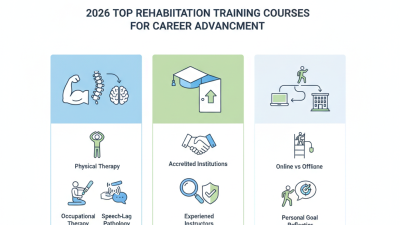
When comparing rehabilitation training courses in China, look beyond attractive brochures and impressive classroom photos. Check who designed the curriculum, how many teaching hours involve supervised practice, and whether instructors have relevant clinical experience. Ask to see a sample timetable. Does it include patient assessment, goal setting, safe exercise progression, and case discussions? These details reveal more than a course title does.
Tips: Ask the provider, in writing, who issues the certificate and what it represents. A course completion certificate is not automatically a professional qualification. Verify recognition directly with the issuing organization, and ask local employers whether they accept it for the role you want. Check assessment methods, too: a practical skills test offers different evidence from attendance alone. Keep copies of course outlines and certificate details.
Recognition is only one measure of quality. Observe whether demonstrations include clear safety checks, such as adjusting a walking aid or supporting a sit-to-stand exercise. Ask how feedback is given during practice. A credible course should explain its limits and direct learners to further supervision when needed. I would not judge a program by certificate wording alone; that can be easy to misread. Check the details with the people who will rely on your training.
What Are the Best Rehabilitation Training Courses in China?
A practical framework for comparing course quality and recognition
The percentages are suggested comparison weights, not official ratings or measured course outcomes. Check each provider’s qualification recognition with the relevant authorities and verify clinical placements, curriculum, instructors, and assessment details before enrolling.
How to Choose a Course for Your Career Goals
Choosing a rehabilitation training course in China starts with a clear career target, not a long list of certificates. A physiotherapy assistant, occupational therapy practitioner, and rehabilitation manager need different skills. For hands-on patient care, look for anatomy, movement assessment, safe transfer practice, and supervised placements. For research or management, examine modules in outcome measurement, service planning, and data literacy. That matters.
Course names can sound similar, so read the syllabus line by line. Ask how many hours involve practical work, who supervises learners, and how feedback is recorded. Ask directly. Check whether employers or professional bodies relevant to your intended role and location accept the qualification. Also check entry requirements, placement access, teaching language, and total costs, including travel and equipment. A polished brochure alone does not show teaching quality.
If possible, speak with recent learners and request a sample timetable. Compare the course with job advertisements where you hope to work; requirements can differ across settings. Look for instructors with relevant clinical experience, clear safety procedures, and practice in documentation and communication. It is tempting to choose by duration or price, but a short course may suit an experienced worker better than a beginner. Be honest about gaps.