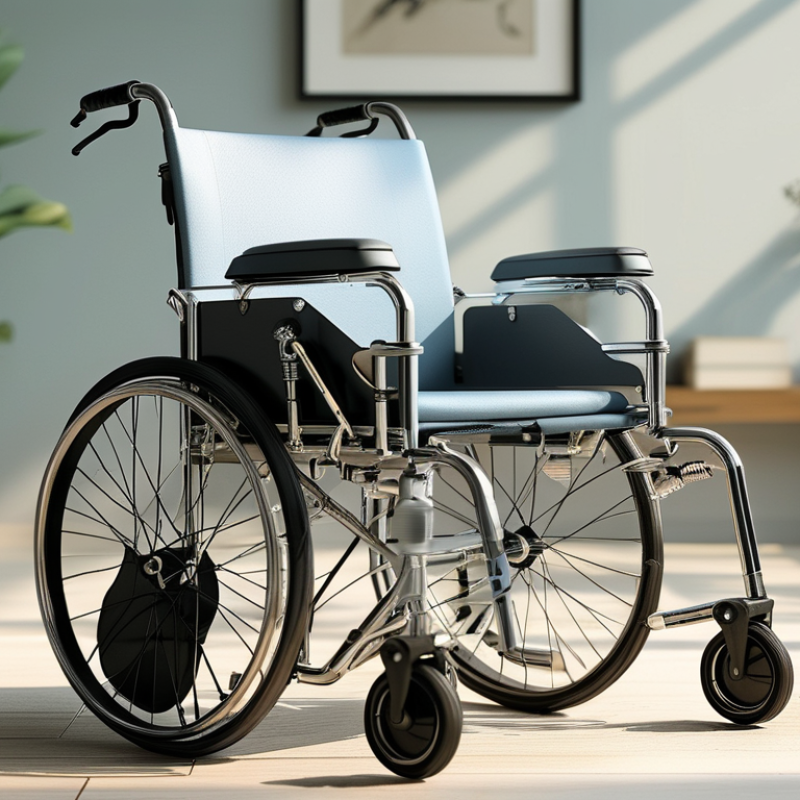
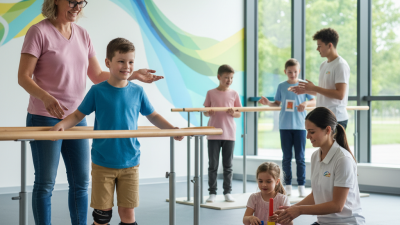
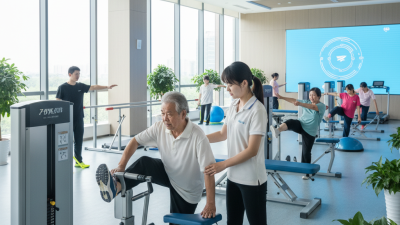
Choosing reliable Cerebral Palsy Assistance products requires more than comparing prices or reading supplier rankings. Families, therapists, and rehabilitation centers need equipment that supports posture, movement, comfort, and daily participation. A wheelchair, standing frame, gait trainer, or customized seating system can change a child’s routine in very practical ways. Small details matter, including adjustable supports, washable materials, secure fasteners, and smooth transport wheels.
This guide examines China’s top 10 cerebral palsy assistance product suppliers through practical and professional criteria. These criteria include product specialization, manufacturing experience, customization capability, quality management, service response, and documented customer feedback. It also considers whether suppliers provide technical drawings, fitting guidance, user manuals, and after-sales support. A reputable manufacturer should communicate clearly with therapists and caregivers, not simply promote attractive product photographs.
However, supplier rankings should never replace individual clinical assessment. A product suitable for one child may create discomfort or poor alignment for another. Measurements must be checked carefully, especially seat depth, trunk support, foot positioning, and growth allowance. Some supplier information may also change over time, and online claims are not always independently verified. That limitation deserves attention.
The companies discussed here are presented as potential partners for informed evaluation, not automatic recommendations. Buyers should request samples, certifications, inspection records, warranty terms, and customization details before ordering. Professional therapists should confirm suitability where possible. Reliable assistance begins with evidence, careful fitting, and honest communication. Even excellent equipment needs review. Children grow, abilities change, and equipment may require adjustment.
China’s cerebral palsy assistance product market is expanding through rehabilitation centers, hospitals, schools, and home-care providers. The top ten suppliers generally serve different needs rather than one identical market. Their products may include adjustable wheelchairs, standing frames, gait trainers, posture supports, transfer aids, and communication tools.
Demand is strongest for equipment that supports safe positioning and daily mobility. Children often need smaller sizes, softer contact surfaces, and frequent adjustments. Adults may require stronger frames and wider seating systems. Reliable suppliers usually provide measurement guidance, user manuals, replacement parts, and training for therapists or caregivers. Product quality should be checked against relevant medical-device requirements and tested through documented safety procedures.
Practical experience matters. A product can look well designed but still cause pressure, poor alignment, or difficult transfers. Trial fitting with a physiotherapist is valuable, especially for children with changing muscle tone. Suppliers with engineering teams and rehabilitation knowledge often respond better to custom sizing requests. Still, market information is not always consistent. Some supplier claims rely on limited testing or outdated certificates. Buyers should verify factory records, material specifications, warranty terms, and after-sales response times before placing large orders. Small details matter. A loose buckle, unclear instruction, or delayed spare part can affect everyday care.
China Top 10 Cerebral Palsy Assistance Product Suppliers
Ranking China’s top suppliers requires more than comparing prices or factory size. The evaluation should begin with product safety, clinical relevance, and manufacturing experience. Products may include standing frames, posture supports, mobility aids, and daily living equipment. Each supplier should provide clear specifications, material information, user instructions, and traceable quality records. Independent testing and applicable medical device certifications also deserve careful review.
Professional reviewers should examine how products support positioning, transfers, balance, and comfort. Adjustable components matter because children and adults have different body sizes and movement needs. A strong supplier should explain fitting methods and provide training for therapists, caregivers, and families. Response time is another practical measure. During assessment, reviewers can test packaging, assembly, wheel stability, stitching, and adjustment locks. Small faults may reveal larger quality problems.
The ranking should also consider customization, production capacity, warranty terms, spare parts, and after-sales communication. Verified customer feedback is useful, but it should be checked against inspection reports and delivery records. Supplier transparency matters more than polished advertising. No ranking is perfect. Some factory data may remain incomplete, and user needs can differ widely. A responsible review should disclose these limits, update scores when new evidence appears, and avoid rewarding claims that cannot be independently verified.
These ten Chinese supplier profiles represent different strengths in cerebral palsy assistance products. The selection focuses on manufacturing evidence, product safety, customization, and service reliability. It is not an official government ranking.
One supplier profile centers on adjustable wheelchairs, with reinforced frames, pressure-relief cushions, and documented load testing. Another focuses on supportive seating, using pelvic belts, lateral pads, and washable materials for daily care. A third develops standing systems with adjustable knee blocks and chest supports. Its fitting instructions deserve careful review.
A fourth supplies pediatric walkers, offering height adjustment and non-slip handgrips for growing users. A fifth specializes in transfer aids, including hoists and sliding boards, with clear weight limits and maintenance records.
Other profiles cover communication boards, therapy tables, orthotic supports, bathing equipment, and home-accessibility products. Reliable suppliers usually provide material certificates, inspection reports, user manuals, and responsive technical support. Some invite therapists or rehabilitation specialists to review prototypes. That matters. Practical experience often reveals problems that factory testing misses, such as difficult buckles or unstable wheels on uneven floors.
Several suppliers offer private customization for clinics and distributors, including color, dimensions, packaging, and documentation. However, customization can increase fitting risks and delivery time. Buyers should request samples, verify quality-control procedures, and confirm compliance with the destination market’s requirements. No profile is flawless. A polished catalog may still hide weak after-sales service or limited replacement parts. Real user feedback, trial fitting, and transparent communication remain essential when comparing Chinese assistance product suppliers.
Cerebral palsy support products should match movement patterns, posture, communication needs, and daily routines. Key categories include supportive seating, mobility aids, standing systems, orthotic devices, and transfer equipment. A well-fitted chair may reduce pressure during school or meals. A standing frame can support safe weight-bearing when recommended by a qualified therapist. Fit matters greatly.
Communication products are equally important. Picture boards, speech-generating devices, adapted keyboards, and eye-control systems can help users express choices and participate in education. Daily living aids may include angled utensils, dressing supports, bathing seats, and adjustable tables. Suppliers should provide clear measurements, trial opportunities, user training, and follow-up adjustments. Product claims should be supported by clinical evidence, safety testing, and transparent technical information.
A supplier’s expertise is not proven by a large catalogue alone. Ask whether occupational therapists, physiotherapists, or rehabilitation specialists contribute to product selection. Check repair services, replacement parts, warranty terms, and local regulatory compliance. An inexpensive device may become costly if it breaks during essential routines. Still, the most advanced option is not always the best choice. Some families may prefer a simpler aid that is easier to transport and maintain. Needs can change. Regular reassessment is necessary, though busy services may not provide it often enough.
Selecting a Chinese cerebral palsy assistance product supplier requires more than comparing catalog prices. The WHO and UNICEF Global Report on Assistive Technology estimates that over 2.5 billion people need assistive products worldwide. That figure may reach 3.5 billion by 2050. Demand is substantial, but product quality remains uneven.
Request evidence of clinical design experience, not only factory photographs. A suitable supplier should explain seating measurements, pelvic support, pressure distribution, tilt angles, and growth adjustment. Ask for test reports, material specifications, inspection records, and traceable batch numbers. ISO 13485 certification can indicate a controlled medical-device quality system, but certification alone is not proof of practical competence. Check its scope and validity.
Use a sample before signing a large order. Measure frame stability, caster braking, harness adjustment, cushion thickness, and folding strength. Observe whether a caregiver can transfer a child safely in a small room. The CDC’s Autism and Developmental Disabilities Monitoring Network reported cerebral palsy in about 1 in 345 eight-year-old children in its 2018 surveillance data. Needs vary widely, so one standard configuration cannot suit every user. Ask whether engineers can modify dimensions without weakening the frame. Also review warranty response times, spare-part availability, user manuals, and training support. A supplier may offer a polished sample yet provide inconsistent production later. That risk is easy to underestimate.
An anonymized supplier-screening matrix for cerebral palsy assistance products. The ranking is based on product fit, customization capability, compliance documentation, export readiness, and after-sales support. Commercial terms and certificates should be verified directly before purchase.
| Rank | Supplier ID | Typical Manufacturing Region | Primary Product Focus | Suitable User Needs | Customization Capability | Indicative MOQ | Typical Sample Lead Time | Export Documentation | Quality Evidence to Request | After-Sales Capability | Selection Score |
|---|---|---|---|---|---|---|---|---|---|---|---|
| 1 | Supplier Profile 01 | Jiangsu | Positioning wheelchairsPosture supports | Children and adolescents requiring trunk, pelvic, and lateral support | High; seat width, support pads, frame color, and accessories | 1–5 units for standard models | 7–15 working days | Commercial invoice, packing list, product specifications, shipping documents | ISO 13485 certificate and test reports to be verified | Replacement parts and fitting guidance should be confirmed before order | 92/100 |
| 2 | Supplier Profile 02 | Guangdong | Power wheelchairsElectric mobility aids | Users with limited upper-limb strength and longer-distance mobility needs | Medium to high; control configuration, battery options, and seating dimensions | 1–3 units for evaluation samples | 10–20 working days | Battery transport documents, user manual, invoice, packing list | Battery safety, EMC, and electrical test evidence to be verified | Remote troubleshooting and battery replacement policy should be confirmed | 90/100 |
| 3 | Supplier Profile 03 | Zhejiang | Standing framesGait-training equipment | Supported standing, weight-bearing practice, and supervised rehabilitation | Medium; height adjustment, harness size, tray, and caster configuration | 1–5 units | 10–18 working days | Product drawings, installation guide, invoice, packing list | Load testing and material safety records to be verified | Assembly instructions and spare hardware availability should be confirmed | 88/100 |
| 4 | Supplier Profile 04 | Shanghai | Adaptive seatingRehabilitation chairs | Children needing adjustable pelvic, trunk, head, and foot positioning | High; modular supports and user-specific seating measurements | 1–10 units | 12–25 working days | Technical drawings, material list, user instructions, shipping documents | Dimensional drawings, upholstery material data, and quality records to be verified | Fitting support and replacement upholstery options should be confirmed | 87/100 |
| 5 | Supplier Profile 05 | Fujian | Children's walkersGait trainers | Early mobility training and assisted walking under therapist supervision | Medium; frame height, handgrips, pelvic supports, and wheel resistance | 5–20 units | 7–15 working days | Product specification, user manual, invoice, packing list | Stability, load, and wheel-braking test records to be verified | Wheel, brake, and support-pad replacement terms should be confirmed | 85/100 |
| 6 | Supplier Profile 06 | Shandong | Manual wheelchairsPostural accessories | Daily indoor and outdoor mobility with moderate positioning requirements | Medium; seat dimensions, cushion, footrests, and anti-tip devices | 5–20 units | 7–14 working days | Invoice, packing list, product manual, carton and pallet details | Frame load test and material specification to be verified | Common spare parts and warranty duration should be confirmed | 84/100 |
| 7 | Supplier Profile 07 | Hebei | Transfer aidsPositioning supports | Safe transfers, caregiver assistance, and short-duration supported positioning | Medium; dimensions, padding, straps, and support configuration | 5–20 units | 10–18 working days | Product drawings, packing list, invoice, handling instructions | Load capacity and strap-strength test records to be verified | Training materials and replacement straps should be available | 82/100 |
| 8 | Supplier Profile 08 | Anhui | Therapy tablesRehabilitation benches | Clinic, school, and home-based stretching or therapy activities | Medium; height range, padding, surface size, and accessories | 5–15 units | 10–20 working days | Technical specification, assembly guide, invoice, packing list | Static-load, moving-part, and surface-material evidence to be verified | Installation support and spare hardware policy should be confirmed | 80/100 |
| 9 | Supplier Profile 09 | Henan | Orthotic supportsFoot-positioning aids | Lower-limb alignment support when prescribed and fitted by qualified professionals | High; size, trim, padding, closure system, and fitting dimensions | 10–50 units, depending on model | 15–30 working days | Material declaration, size chart, product instructions, invoice | Biocompatibility and material safety documentation to be verified | Size exchange, fitting support, and replacement components should be confirmed | 79/100 |
| 10 | Supplier Profile 10 | Hubei | Home-care aidsShower and hygiene supports | Daily-care assistance, bathing safety, and caregiver workload reduction | Low to medium; dimensions, frame finish, padding, and packaging | 10–50 units | 7–18 working days | Product manual, carton details, invoice, packing list | Water resistance, load capacity, and corrosion test evidence to be verified | Replacement pads, wheels, and fasteners should be confirmed | 77/100 |