Top 10 Rehabilitation Training Projects for Global Buyers
Rehabilitation is no longer a niche service. The World Health Organization estimates that 2.4 billion people worldwide live with conditions that may benefit from rehabilitation (WHO, 2023). For global buyers, that need translates into practical choices: gait-training systems, balance platforms, upper-limb devices, and tools for activities-of-daily-living practice. The right project is not always the most advanced one. It must fit the people using it, the clinicians supporting them, and the space available.
WHO rehabilitation leader Dr. Alarcos Cieza has described rehabilitation as “an essential health service.” That principle matters when comparing projects. Buyers should examine clinical goals, staff training, maintenance, accessibility, and measurable outcomes—not just equipment specifications. A treadmill may look impressive, yet be poorly matched to a clinic with limited floor space or few trained operators. Small details count. Can a therapist adjust the settings quickly? Are replacement parts available locally? Will patients with different mobility needs use it safely?
This Top 10 guide examines Rehabilitation Training Projects through those operational questions. It draws on recognized health guidance and practical procurement considerations, while acknowledging that one model cannot suit every region. A polished equipment list can still miss the point if follow-up, staffing, or evaluation is absent. That is worth reflecting on. Buyers can use the projects here to compare options, define requirements, and ask suppliers for evidence of usability and support. Progress should be visible in patients’ daily function, not only in a room full of new machines.
What Rehabilitation Training Projects Include and Who They Serve
Top 10 Rehabilitation Training Projects for Global Buyers
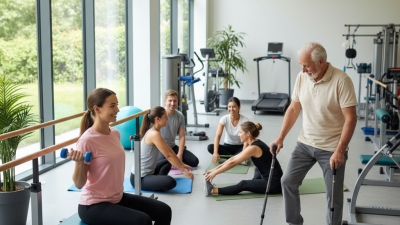
Rehabilitation training projects serve different bodies, ages, and care environments. The World Health Organization estimates that 2.4 billion people live with conditions that may benefit from rehabilitation. This demand includes hospitals, outpatient clinics, community centers, and home-care teams.
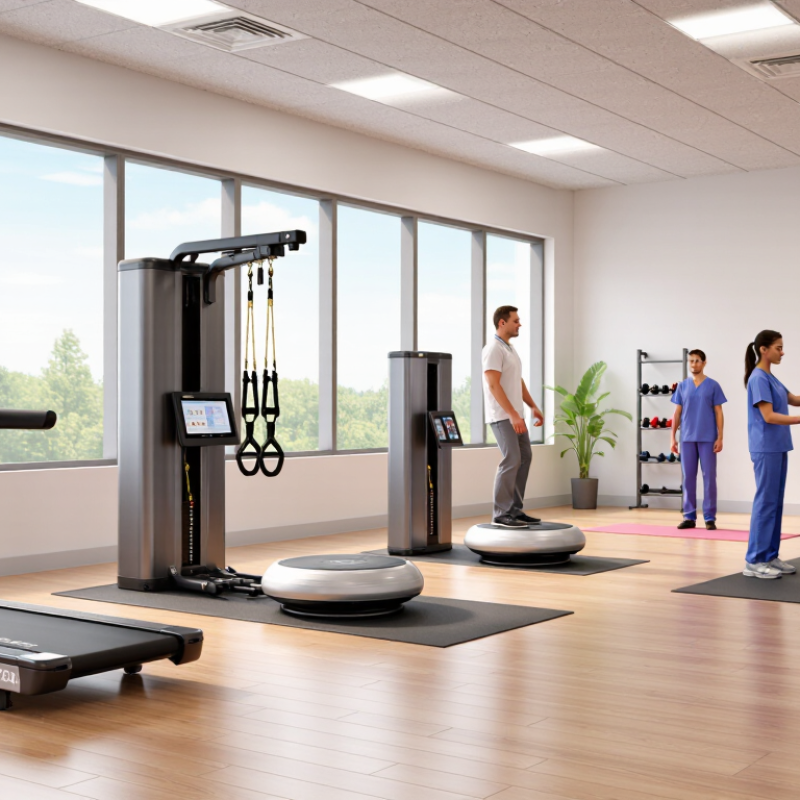
Typical projects cover ten areas: neurological recovery, orthopedic therapy, cardiac rehabilitation, pulmonary training, pediatric development, geriatric mobility, sports recovery, occupational therapy, speech and swallowing, plus prosthetic and orthotic practice. Each project may include patient assessment, movement exercises, strength testing, balance drills, daily-living simulations, and progress documentation. Neurorehabilitation often uses gait stations and hand-function tasks. Pediatric programs need colorful objects, safe floor spaces, and adjustable equipment. Cardiac and pulmonary projects require monitored exercise zones and emergency procedures. Small details matter.
The WHO and UNICEF Global Report on Assistive Technology reports that more than 2.5 billion people need at least one assistive product, with demand expected to exceed 3.5 billion by 2050.
This supports investment in accessible training systems, especially for older adults and people with long-term disabilities. Buyers should review staff qualifications, infection-control design, equipment adjustability, and measurable outcomes before procurement. A strong project records walking distance, grip strength, pain levels, or daily-task performance. However, not every imported program fits local routines. Cultural habits, staffing limits, and uneven maintenance can reduce results. That gap deserves honest review.
How Global Buyers Assess Rehabilitation Training Needs
Top 10 Rehabilitation Training Projects for Global Buyers
How Global Buyers Assess Rehabilitation Training Needs
Global buyers assess rehabilitation training by matching each project with real clinical demands. They review patient profiles, therapist skills, facility space, and expected outcomes. Common projects include mobility training, gait practice, balance exercises, strength recovery, neurological rehabilitation, and daily living support. They also examine training frequency, safety procedures, and maintenance requirements. A compact clinic may need adjustable equipment, while a teaching hospital may require advanced assessment tools and multiple practice stations.
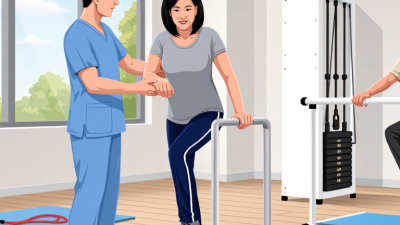
Reliable buyers request evidence before placing an order. They compare user manuals, training certificates, test reports, and service response times. They may ask for a live demonstration using a simulated patient scenario. For example, a therapist could assess standing support, transfer movement, and walking stability. Experience shows that attractive specifications do not always match local practice. This is where careful questioning matters. No assessment is perfect.
Tips: Define the target patient group. Measure room dimensions and door access. Ask whether staff can operate the system after short training. Check cleaning procedures, replacement parts, and language support. Record expected results in measurable terms, such as improved transfer time or safer assisted walking.
Buyers should also consider local staffing levels and cultural expectations. A project requiring constant supervision may fail in an understaffed facility. Seasonal budgets can affect training continuity. Reviewing these limits early creates a more practical purchasing plan. Some decisions still need revision after pilot use. That is normal.
Ten Core Projects Across Major Rehabilitation Goals
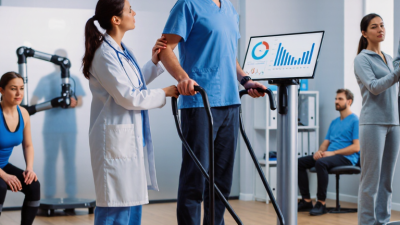
Rehabilitation buyers should evaluate ten core projects across major recovery goals: functional assessment, range-of-motion training, progressive strength, balance practice, gait retraining, neurological coordination, cardiopulmonary conditioning, pain-management exercise, activities-of-daily-living practice, and workplace or home reintegration. These projects reflect clinical priorities, not fashionable equipment categories. The World Health Organization reports that 2.4 billion people may benefit from rehabilitation worldwide, while its Rehabilitation 2030 initiative stresses integrated, person-centred services. A simple assessment station can record walking speed, joint mobility, grip force, and fatigue before training begins. Useful data matters.
Each project needs adjustable resistance, clear safety limits, and measurable progression. For example, balance work may use stable platforms before uneven surfaces, while gait sessions can add parallel support and visual targets. The World Health Organization also estimates that low back pain affected 619 million people in 2020, showing why mobility, strength, and daily-function projects must connect. Stroke rehabilitation requires another layer: repetition, task-specific practice, and close monitoring of endurance. A 2023 Global Burden of Disease analysis identified stroke as a major global cause of disability and death. That evidence supports neurological and cardiopulmonary modules, but it does not guarantee equal results for every patient. This is where many plans fail. Buyers should request outcome records, therapist training requirements, maintenance details, and accessibility features. Cheaper is not always practical. More equipment is not automatically better.
Equipment and Facility Requirements for Each Project
Top 10 Rehabilitation Training Projects for Global Buyers
Equipment and Facility Requirements for Each Project
Gait training needs parallel bars, adjustable walkers, treadmills, and safety harnesses. Use non-slip flooring and clear turning space. Balance training requires foam pads, steps, rails, and visual targets. Install stable handrails near every exercise zone. Strength training needs resistance machines, therapy bands, free weights, and adjustable benches. Keep equipment spaced for wheelchair access. Range-of-motion training uses treatment tables, pulley systems, wedges, and goniometers. Provide privacy curtains and height-adjustable surfaces.
Aquatic rehabilitation requires a heated pool, transfer hoist, pool lift, and textured deck. Water depth should suit different users. Neurological training needs body-weight support, stepping platforms, mirrors, and coordination tools. Add wide pathways for assisted movement. Hand therapy requires tables, pegboards, grip tools, splints, and fine-motor stations. Good lighting matters. Respiratory rehabilitation needs cycle ergometers, spirometers, monitoring devices, and fresh-air circulation. Staff need direct visibility.
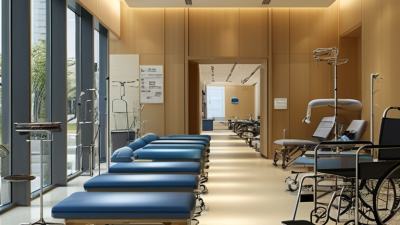
Pediatric rehabilitation works best with modular climbing frames, soft mats, suspension tools, and play-based balance equipment. Use rounded edges and secure storage. Activities of daily living training needs a mock kitchen, bathroom, bedroom, and transfer surfaces. Include adjustable counters and emergency call access. In facility planning, buyers often underestimate storage and cleaning space. That mistake affects daily workflow. Equipment should support clinical assessment, progressive loading, and safe supervision. Local building codes, accessibility rules, infection-control standards, and electrical requirements must be checked before purchase. Some layouts look efficient on paper, but feel cramped during real sessions.
How to Evaluate Suppliers and Plan Project Implementation
Choosing among the top 10 rehabilitation training projects starts with the people who will use them. Ask suppliers for clear specifications, staff training plans, maintenance schedules, and evidence from comparable installations. A polished brochure is not enough. Request a live demonstration using realistic tasks, such as adjusting a therapy station or reviewing a progress report. Check whether controls are easy to reach and instructions are understandable for patients and staff.
Evaluate the full operating cost, not only the purchase price. Confirm what installation includes, which parts may need replacement, and how quickly technical support responds. Ask for written acceptance criteria, such as room dimensions, equipment checks, and staff competency targets. A site visit or reference call can reveal practical issues that sales documents miss. Small details matter.
Build implementation around the facility’s daily routine. Map delivery access, power outlets, storage, and patient flow before equipment arrives. Assign a project lead, clinical reviewers, and facilities staff, then set dates for installation, testing, and training. Start with a limited pilot where possible. Record setup time, staff feedback, and equipment downtime. Adjust the plan when evidence points to a problem; procurement schedules can be too optimistic, and real clinics rarely run perfectly. Keep a simple issue log with owners and deadlines, and review it during regular project meetings.
Top 10 Rehabilitation Training Projects for Global Buyers
Illustrative buyer-planning priorities for comparing project opportunities and supplier capabilities. Scores are example planning estimates on a 1–5 scale, not market-survey results.
Use these priorities as a starting point: assess each supplier’s relevant clinical expertise, staff training, equipment suitability, implementation support, and after-sales service against your project requirements.