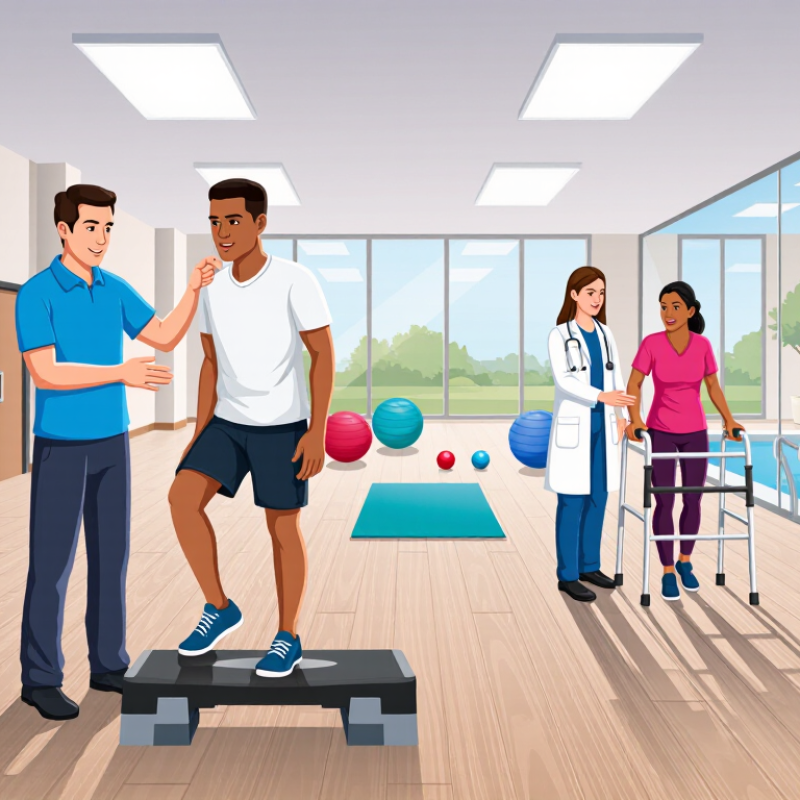
Choosing effective Rehabilitation Training Methods requires more than comparing equipment photos or supplier prices. Global buyers must assess clinical evidence, user safety, training goals, product durability, and local healthcare requirements. A resistance band may support shoulder recovery, while a balance pad may challenge ankle stability. Neither tool suits every patient.
Dr. Lorimer Moseley, a leading pain scientist and Professor of Clinical Neurosciences, explains: “Pain is a protective response, not a measure of tissue damage.” This perspective matters when evaluating rehabilitation programs. Pain, movement quality, fatigue, and confidence should guide progress together. A method that looks gentle may still be unsuitable after surgery, nerve injury, or severe inflammation. Professional screening remains essential.
This guide reviews ten Rehabilitation Training Methods for international clinics, distributors, therapists, and informed buyers. It considers mobility drills, progressive resistance, balance training, neuromuscular exercises, aquatic therapy, and functional movement practice. Each method should connect with a measurable purpose, such as walking ten more minutes or completing a controlled step-down.
Small details matter. Check grip texture, adjustment ranges, cleaning needs, user weight limits, and replacement parts. Ask suppliers for testing records, instructions, and traceable quality information. Standards differ across countries, so buyers should verify applicable regulations before purchase.
There is no perfect method.
Some recommendations may need adjustment. Patient adherence, therapist skill, budget, and facility space can change outcomes. This overview offers a practical starting point, not a substitute for individualized clinical judgment. Reliable rehabilitation grows through careful assessment, gradual loading, honest feedback, and continuous review.
Rehabilitation training is a structured process that helps people regain movement, strength, balance, and daily independence after injury, illness, or surgery. Its goals should be practical and measurable. A patient may aim to walk 50 meters, lift a cup safely, or climb three steps without support. Progress depends on assessment, not assumptions.
Effective programs often combine ten methods:
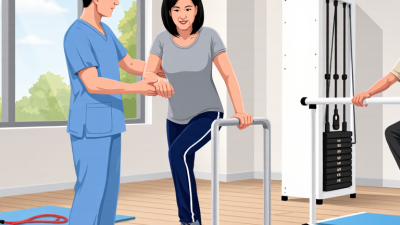
Qualified therapists should adjust resistance, repetitions, and rest periods. A walking session may begin beside parallel bars, then progress to uneven floor practice. Small details matter.
Global buyers need equipment that is safe, adjustable, durable, and easy to maintain. Clear instructions, training materials, cleaning guidance, and service support reduce operational risks. Buyers should request test records, user-load information, and evidence of quality control. Local clinical rules also require careful review. A low price can hide training costs or replacement problems.
No protocol works perfectly for every user. Some exercises may feel too difficult, while others seem ineffective. Regular reassessment is essential. Our own judgment can be wrong. Reliable rehabilitation design leaves room for feedback, cultural differences, clinic space, and real patient behavior.
Selecting a rehabilitation method starts with the user, not the equipment. The World Health Organization estimates that 2.41 billion people may benefit from rehabilitation worldwide. That figure covers different ages, diagnoses, income levels, and care settings. Buyers should review mobility, muscle strength, balance, pain, cognition, and daily living goals. A walking assessment may reveal fall risk that a strength test misses. A short interview can expose fatigue, fear, or limited caregiver support.
Match the method to the user’s measured needs. Strength training suits weakness, while balance exercises support postural control. Range-of-motion work may help stiffness. Task-based practice connects training with dressing, standing, or climbing stairs. Aquatic, virtual, robotic, and sensor-supported methods can add variety, but access and maintenance matter. WHO’s World Rehabilitation Alliance reports emphasize person-centred, accessible care rather than technology alone. Check adjustment ranges, safety stops, hygiene procedures, language options, and staff training before purchasing.
The details decide outcomes. Ask for assessment protocols, user weight limits, service records, and evidence from comparable clinical settings. Avoid choosing from impressive demonstrations alone. A controlled trial may show progress, yet home users might lack supervision. My own purchasing decisions have sometimes overvalued advanced features and undervalued routine usability. That is a useful weakness to examine. Reassess users after four to six weeks, record functional changes, and revise the method when progress stalls. No device replaces qualified clinical judgment.
Top 10 Rehabilitation Training Methods for Global Buyers
Rehabilitation training should match the patient’s function, injury stage, and daily environment. Range-of-motion exercises reduce stiffness in joints after surgery or prolonged inactivity. Gentle stretching works best when movement remains controlled and comfortable. Start gently. Resistance training rebuilds muscle strength through bands, weights, or bodyweight movements. Therapists should increase load gradually and monitor swelling, fatigue, and movement quality.
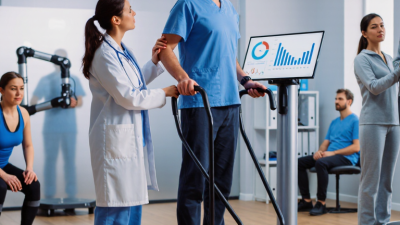
Balance training supports safer standing and walking, especially after neurological injuries or lower-limb weakness. Gait training uses parallel bars, walking aids, or carefully measured steps to improve mobility. Proprioceptive exercises help patients sense joint position during standing, reaching, or stepping. Task-oriented training connects exercise with real activities, such as rising from a chair or carrying a cup. Function matters.
Aquatic training reduces joint loading and may help patients move with less fear. Water depth, temperature, and supervision still require professional judgment. Mirror therapy can support upper-limb practice when visual feedback improves attention to a weaker side. Breathing and respiratory training may assist posture, endurance, and controlled recovery after exertion. Aerobic conditioning, including cycling or measured walking, develops stamina for home and community activities. No method fits everyone. Progress can be slower than expected, and some exercises need revision after real-world testing. Pain matters. Qualified rehabilitation professionals should assess suitability, safety, and progress for each individual.
Top Ten Rehabilitation Training Methods by Application and Function
This evidence-informed index rates each method from 0 to 100 across commonly documented rehabilitation functions, including mobility, strength, balance, endurance, motor control, pain management, and daily-activity training. Higher values indicate broader application relevance rather than market share or company performance.
Top 10 Rehabilitation Training Methods for Global Buyers
Safety Standards, Equipment Quality, and Evidence-Based Evaluation
Effective rehabilitation programs may combine gait training, balance exercises, strength work, stretching, and mobility drills. They may also include aquatic therapy, functional task practice, respiratory training, coordination exercises, and controlled neuromuscular stimulation. Each method should match the patient’s diagnosis, age, endurance, and clinical goals. A qualified therapist must supervise progression and recognize warning signs, such as dizziness, sharp pain, or unusual fatigue. Small details matter. A loose strap can change movement quality.
Global buyers should verify safety certifications, electrical protection, material durability, and documented load limits. Equipment should have clear instructions, adjustable supports, emergency stop controls, and accessible cleaning procedures. Supplier records should show calibration dates, maintenance guidance, and staff training requirements. Local regulations may differ, so one certificate cannot prove universal compliance. Independent inspection is valuable before large-scale purchasing. Ask for test reports, user manuals, warranty terms, and replacement-part availability.
Evidence-based evaluation should compare clinical outcomes, not attractive product features. Look for peer-reviewed studies, transparent sample sizes, defined outcome measures, and realistic follow-up periods. Useful measures include walking speed, balance scores, range of motion, pain ratings, and daily activity performance. Trial the equipment with representative users when possible. No checklist is perfect. A device may perform well in a study but fail in a crowded clinic. Buyers should record adverse events, repair frequency, therapist feedback, and patient adherence after installation. These observations often reveal weaknesses that brochures never mention.
| No. | Rehabilitation Method | Primary Applications | Safety Standards and Risk Controls | Equipment Quality Evaluation | Evidence Level | Recommended Outcome Measures | Key Limitations and Buyer Checks |
|---|---|---|---|---|---|---|---|
| 1 | Progressive Therapeutic Exercise | Musculoskeletal pain, post-operative recovery, neurological weakness, joint mobility, and functional restoration. | Individual screening, graded loading, correct posture, secure adjustment points, emergency stop access where powered equipment is used, and documented user instructions. | Stable frame, corrosion-resistant materials, accurate load or resistance adjustment, smooth movement, durable upholstery, and clear weight or position markings. |
High for many conditions Strong support when exercise is progressive, individualized, and linked to functional goals. |
Pain scores, range of motion, strength testing, disability scales, activity tolerance, and activities of daily living. | Requires clinical assessment and progression. Buyers should verify adjustment range, user-weight capacity, maintenance access, and replacement-part availability. |
| 2 | Progressive Resistance Training | Sarcopenia, deconditioning, post-fracture weakness, post-operative rehabilitation, and neurological muscle weakness. | Gradual intensity increases, joint alignment, appropriate spotting or guarding, load limits, and inspection for cable, pulley, strap, and locking-system wear. | Repeatable resistance, low-friction mechanisms, secure locking systems, calibrated weights or force settings, robust cables, and accessible height adjustment. |
High Consistently supports improvements in strength and physical function when appropriately prescribed. |
One-repetition or submaximal strength tests, hand-grip strength, sit-to-stand performance, walking speed, and functional independence. | Not suitable for uncontrolled pain or some acute injuries without professional clearance. Check load increments, maximum user mass, and calibration documentation. |
| 3 | Aerobic and Cardiopulmonary Conditioning | Cardiac and pulmonary rehabilitation, neurological recovery, general deconditioning, endurance loss, and chronic disease management. | Pre-exercise risk assessment, heart-rate and symptom monitoring, appropriate emergency procedures, stable handrails, non-slip surfaces, and controlled intensity progression. | Reliable speed or resistance control, readable displays, stable construction, emergency stop function, low step-up height, and compatibility with monitoring equipment. |
High Strong evidence for improving exercise capacity and functional endurance in suitable populations. |
Six-minute walk test, incremental exercise capacity, perceived exertion, oxygen saturation where clinically indicated, and heart-rate response. | Requires medical screening for higher-risk users. Buyers should confirm electrical safety, emergency-stop testing, noise level, service intervals, and accessibility. |
| 4 | Balance and Proprioceptive Training | Fall prevention, vestibular rehabilitation, lower-limb injury recovery, stroke rehabilitation, and postural control training. | Therapist supervision for high-risk users, hand supports, harness options where appropriate, non-slip surfaces, progressive difficulty, and fall-response procedures. | Accurate tilt or force sensing where applicable, stable base, controlled surface movement, high-friction materials, secure handrails, and repeatable difficulty settings. |
Moderate to high Particularly useful when balance tasks are progressive and specific to daily activities. |
Berg Balance Scale, Timed Up and Go, Functional Reach Test, gait speed, fall history, and postural-sway measures. | Benefits depend on correct progression and supervision. Check maximum user weight, platform stability, sensor calibration, and cleaning compatibility. |
| 5 | Gait and Locomotor Training | Stroke, spinal cord injury, traumatic brain injury, incomplete neurological lesions, orthopedic recovery, and walking deconditioning. | Body-weight support when required, harness integrity checks, emergency stop access, anti-fall measures, therapist positioning, and progressive unloading or speed control. | Smooth speed adjustment, accurate body-weight support, secure harness attachment, stable handrails, easy patient access, and reliable belt or track alignment. |
Moderate to high Repetitive, task-specific walking practice is supported for selected neurological and orthopedic populations. |
Walking speed, six-minute walk distance, step count, gait symmetry, Functional Ambulation Category, and independence level. | Equipment does not replace skilled gait assessment. Buyers should verify harness sizes, transfer access, service requirements, and compatibility with local power systems. |
| 6 | Task-Specific Functional Training | Activities of daily living, work reintegration, upper-limb recovery, stroke rehabilitation, and community mobility. | Environment-specific risk assessment, adjustable task difficulty, secure fixtures, safe transfer space, infection-control procedures, and supervision for fatigue or instability. | Modular components, adjustable height and reach, smooth edges, easy-clean surfaces, realistic but replaceable task elements, and clear setup instructions. |
High for task-related goals Outcomes are strongest when practice closely matches the person’s real-world activities. |
Task completion time, movement quality, functional independence measures, upper-limb activity tests, and patient-defined goals. | Requires individualized programming and adequate space. Buyers should assess modularity, cleaning requirements, accessibility, and staff training needs. |
| 7 | Aquatic Therapy | Joint pain, osteoarthritis, neurological conditions, balance limitations, reduced weight-bearing tolerance, and post-operative mobility. | Water-quality management, slip prevention, pool-entry controls, temperature monitoring, infection screening, lifeguard or therapist procedures, and emergency evacuation plans. | Safe access lift or ramp, anti-slip surfaces, corrosion-resistant fixtures, accessible handrails, accurate water-temperature control, and compliant filtration systems. |
Moderate Often improves pain, mobility, and exercise tolerance, although effects may vary by condition and program design. |
Pain and stiffness scores, walking tests, balance measures, range of motion, strength, and patient-reported function. | Not appropriate for certain open wounds, uncontrolled infections, or some medical conditions. Buyers should verify local pool regulations and water-treatment records. |
| 8 | Neuromuscular Electrical Stimulation and Functional Electrical Stimulation | Muscle activation, foot-drop management, post-stroke weakness, spinal cord injury, muscle re-education, and prevention of disuse atrophy. | Electrical safety assessment, trained operator use, correct electrode placement, skin inspection, controlled intensity, and screening for contraindications such as certain implanted electronic devices. | Accurate current and pulse settings, isolated output channels, secure leads, intact cables, reusable or traceable electrodes, fault indicators, and documented electrical testing. |
Moderate Benefits depend on diagnosis, electrode placement, dosing, and integration with active movement or functional tasks. |
Muscle strength, active range of motion, walking speed, foot-clearance measures, functional task performance, and skin tolerance. | Requires clinical expertise and patient-specific settings. Buyers should request electrical safety records, accessories, user training, and consumables information. |
| 9 | Robotic and Exoskeleton-Assisted Training | Repetitive gait practice, severe lower-limb weakness, neurological rehabilitation, and supported upper-limb or lower-limb movement. | Risk management under ISO 14971 principles, mechanical stops, emergency stop, controlled startup, harness or attachment inspection, user-specific fitting, and supervised operation. | Accurate joint alignment, repeatable assistance, force or position limits, reliable sensors, battery and charging protections, durable harnesses, and software version control. |
Moderate Can increase repetitive practice; additional benefit over well-delivered conventional therapy varies by patient group and device type. |
Walking speed, walking distance, step count, assistance level, lower-limb motor scores, fatigue, and independence in mobility. | High acquisition and training costs may limit access. Buyers should verify regulatory status, cybersecurity controls, software updates, servicing, and patient-size range. |
| 10 | Virtual Reality and Interactive Biofeedback | Balance training, upper-limb rehabilitation, cognitive-motor practice, gait exercises, pain distraction, and engagement-focused therapy. | Screen for dizziness, cybersickness, photosensitivity, falls, and cognitive overload; provide safe seating or hand support; protect personal data; and use supervised exposure. | Low-latency tracking, accurate motion detection, adjustable field of view, hygienic and replaceable contact surfaces, stable software, accessible controls, and reliable data export. |
Moderate May improve motivation and selected motor outcomes when combined with conventional, goal-directed rehabilitation. |
Task accuracy, reaction time, balance scores, upper-limb activity measures, adherence, enjoyment, and real-world functional performance. | Digital training should not replace clinical judgment. Buyers should check privacy compliance, offline operation, language support, accessibility, software licensing, and technical support. |

Global buyers should compare rehabilitation suppliers by evidence, not attractive equipment photos. The World Health Organization reports that 2.41 billion people could benefit from rehabilitation services worldwide. This demand requires practical, scalable training programs.
Review ten core methods: task-specific practice, strength training, balance drills, gait training, aerobic conditioning, flexibility work, motor-control exercises, aquatic therapy, robotic assistance, and home-based coaching. Ask suppliers for clinical references, user manuals, trainer qualifications, and measurable outcomes. ISO 13485 certification can support quality controls, but it does not prove clinical effectiveness. Request trial data, adverse-event procedures, maintenance schedules, and multilingual training materials. Compare the cost of ownership, not only the purchase price. A low-cost system may require expensive specialist support.
Tips: Build a supplier scorecard with evidence quality, safety, training hours, service response, and local adaptability. WHO’s Global Report on Health Equity for Persons with Disabilities highlights significant barriers to care for about 1.3 billion people. Therefore, programs should include remote guidance, simple progress charts, and accessible exercise instructions. Test the program with real users before wider deployment. Small clinics may need fewer advanced features. That is often overlooked. Buyers should also question impressive percentages without sample sizes or follow-up periods. I have found that supplier demonstrations can look excellent, yet daily staff adoption remains uncertain. Plan refresher training, collect patient feedback, and revise the program when results fall short.