What Is Rehabilitation Therapy Teaching?
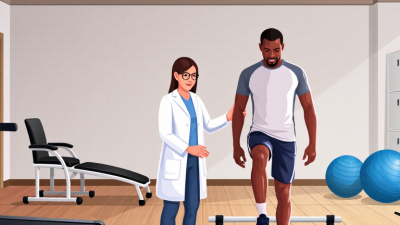
Rehabilitation Therapy Teaching is the structured process of helping people regain movement, confidence, and daily independence after illness, injury, or surgery. It connects clinical knowledge with practical instruction. A therapist may teach a patient how to use crutches, protect a healing joint, or complete gentle exercises beside a kitchen chair. Each lesson should reflect the patient’s age, condition, home environment, and personal goals.
Effective teaching depends on more than demonstrating a technique. Rehabilitation professionals assess understanding, observe movement, and invite questions without judgment. They may use plain language, visual examples, repeated practice, and written reminders. Evidence-based guidance supports safer decisions, while professional standards help define appropriate boundaries. Teaching should also respect cultural preferences, privacy, informed choice, and communication needs.
Small details matter. A patient who feels dizzy may need rest before continuing. Someone living alone may require a different home program than someone with daily support. Progress is rarely perfectly linear. Some instructions may seem clear to clinicians but confusing to patients. That gap deserves attention. Skilled educators review their explanations and adjust them when outcomes fall short. They do not promise instant recovery. Instead, they build realistic confidence through measurable steps, careful feedback, and consistent follow-up. This article explores the meaning, methods, benefits, and limitations of Rehabilitation Therapy Teaching in modern healthcare.
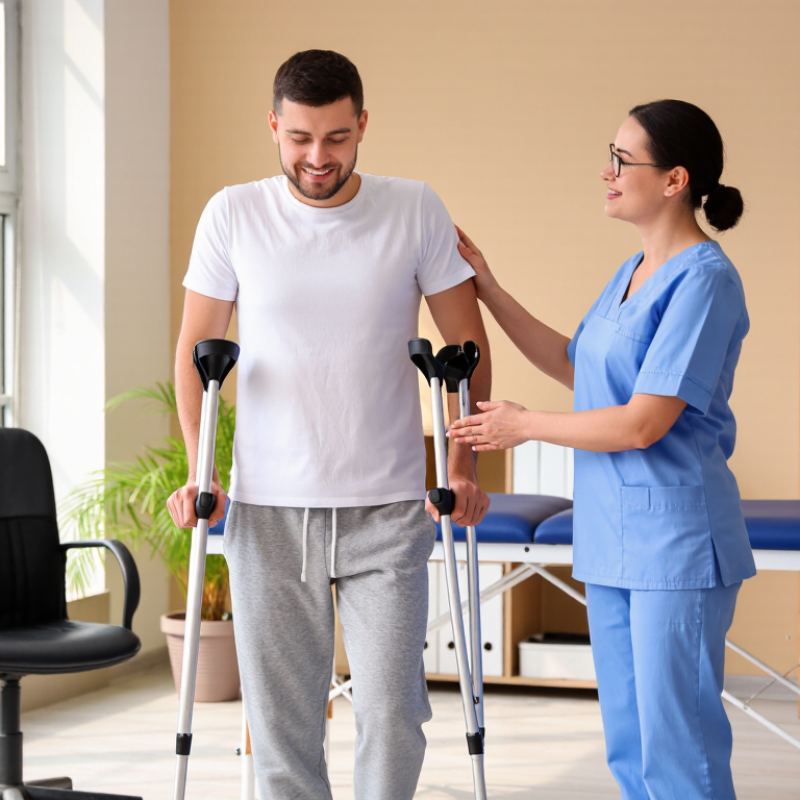
Defining Rehabilitation Therapy Teaching: WHO’s 2.41-Billion-Person Need
What Is Rehabilitation Therapy Teaching?
Rehabilitation therapy teaching is structured education for professionals who help people regain movement, communication, independence, or daily skills. It combines anatomy, clinical reasoning, safe practice, and patient education. A lesson may involve observing a person stand, measuring balance, or practicing hand exercises with supervision. Good teaching connects scientific knowledge with real human routines.
The World Health Organization estimated that 2.41 billion people worldwide could benefit from rehabilitation services in 2019.
This figure reflects needs linked to injuries, chronic diseases, ageing, and disability. It does not mean that every person requires the same treatment. A factory worker may need support after a shoulder injury. An older adult may need safer walking practice after a fall. The scale is enormous, yet access remains uneven.
Teaching must prepare therapists for this complexity. Evidence-based methods matter, but rigid instructions can fail in homes, schools, and crowded clinics. A patient may understand an exercise but lack time, transport, or family support. That detail can change the entire care plan. The field is not flawless. Some training still focuses more on tests than lived experience. Teachers should question those habits, use current clinical evidence, and invite feedback from patients and learners. Small practice errors should be examined openly, before they become unsafe routines.
Assessment and Goal Setting Through the WHO International Classification of Functioning
What Is Rehabilitation Therapy Teaching?
Rehabilitation therapy teaching begins with assessment, not a fixed exercise list. The World Health Organization’s International Classification of Functioning, Disability and Health examines body functions, activities, participation, and environmental factors. This wider lens changes the clinical question. Instead of asking, “What is wrong?” therapists ask, “What does this person need to do again?”
The scale is substantial. A World Health Organization report estimates that 2.4 billion people could benefit from rehabilitation worldwide. The Global Burden of Disease Study 2019 identified low back pain as the leading cause of years lived with disability. These figures support careful, measurable planning. A therapist might observe a patient rising from a kitchen chair, carrying a cup, or reaching a bus stop. Each task reveals different barriers. Pain, balance, confidence, transport, and family support may all influence performance.
Goals should connect clinical findings with real life. “Improve strength” is incomplete. “Stand from the chair five times and prepare breakfast safely” is more useful. Progress can be tracked through time, assistance, repetitions, and the person’s own confidence. Yet goals can still be too ambitious. I have seen plans focus heavily on body movement while overlooking fatigue or fear. The ICF encourages regular review because context changes. A successful clinic exercise may fail on a crowded street. That gap deserves honest discussion.
WHO ICF Qualifier Scale for Rehabilitation Assessment
The WHO International Classification of Functioning, Disability and Health (ICF) uses qualifiers to describe the severity of a problem in functioning. Scores range from 0, meaning no problem, to 4, meaning a complete problem. Rehabilitation professionals can use this scale to assess functioning, set measurable goals, and monitor change over time.
Teaching Core Skills Across Physical, Occupational, and Speech Therapy
What Is Rehabilitation Therapy Teaching?
Rehabilitation therapy teaching develops practical skills across physical, occupational, and speech therapy. It helps people move safely, manage daily tasks, and communicate with greater confidence. Physical therapy may teach supported standing, controlled walking, or balance exercises beside a kitchen counter. Occupational therapy can address buttoning a shirt, preparing a simple meal, or using adapted tools. Speech therapy may support clearer speech, safer swallowing, or language practice after neurological injury.
Effective teaching starts with an individual assessment. Clinicians observe strength, coordination, attention, fatigue, and emotional readiness. They then break difficult tasks into smaller actions. A patient might practise reaching for a cup before carrying it. Another may repeat short phrases while checking breath control. Progress should be measured with functional goals, not assumptions. Small improvements matter. Still, therapy is rarely perfectly linear. Pain, frustration, or a poor night’s sleep can change performance. Good clinicians adjust the plan and explain why. I think this flexibility is essential, although it can be difficult to maintain during busy sessions.
Tips: Use plain instructions and demonstrate each task slowly. Ask the learner to explain the steps back. Practise skills in realistic settings, such as a bedroom, bathroom, or dining table. Record changes in comfort, accuracy, and safety. Never treat repetition as automatic progress. Review the technique. Invite questions. When risks appear, consult the appropriate licensed professional before increasing difficulty.
Clinical Practice Standards: Supervision, Safety, and Measurable Outcomes
What Is Rehabilitation Therapy Teaching?
Clinical Practice Standards: Supervision, Safety, and Measurable Outcomes
Rehabilitation therapy teaching connects clinical knowledge with safe, supervised practice. Learners study movement, communication, assessment, and adaptive techniques. They also observe how clinicians protect dignity during difficult sessions. A qualified supervisor should explain each intervention before the learner attempts it. Clear roles prevent confusion. Patients must understand the learner’s role and give informed consent.
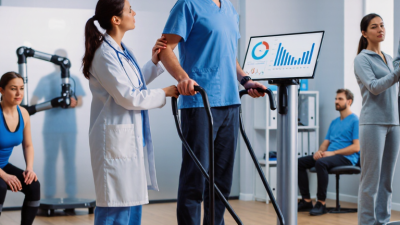
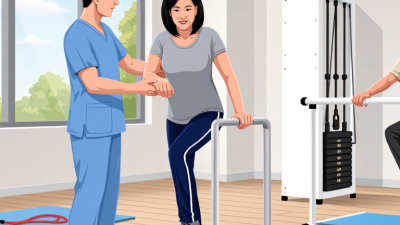
Safety depends on more than checking equipment. Clinicians monitor pain, fatigue, balance, skin condition, and emotional responses. A therapist may stop an exercise when a patient becomes pale or unsteady. The team then records the event and adjusts the plan. Supervision should match the learner’s skill, not merely their academic level. Direct observation matters, especially during transfers and mobility training.
Measurable outcomes make teaching accountable. A learner might track walking distance, grip strength, task completion, or reported confidence. Notes should identify the baseline, intervention, response, and next step. Evidence can guide decisions, but it cannot replace clinical judgment. No protocol is flawless. I have seen goals become too ambitious when progress looked encouraging early on. Regular review can correct that mistake. Honest feedback helps learners recognize limits, ask for help, and provide safer care.
Workforce Preparation for the Global Rise in Rehabilitation Demand
What Is Rehabilitation Therapy Teaching?
Workforce Preparation for the Global Rise in Rehabilitation Demand
Rehabilitation therapy teaching prepares professionals to restore movement, communication, independence, and confidence. Demand is rising as populations age, chronic conditions increase, and injuries require longer recovery. The global workforce must expand without lowering clinical standards. Trainees study anatomy, functional assessment, safe transfers, therapeutic exercise, communication, ethics, and documentation. These skills belong together. A strong lesson connects theory with a real task, such as helping a stroke survivor stand beside a kitchen counter.
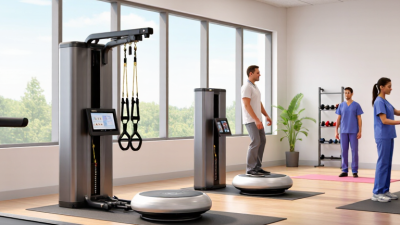
Workforce preparation needs supervised practice, not lectures alone. In a skills lab, students can check wheelchair brakes, measure walking tolerance, and adjust a home exercise plan. Clinical educators should observe technique, question decisions, and record measurable progress. Case discussions may include physiotherapists, occupational therapists, speech therapists, nurses, and community workers. This reflects how rehabilitation actually happens. It also prepares learners for areas with few specialists, limited equipment, or long travel distances. Digital consultations may help, but they cannot replace every hands-on assessment.
Reliable programs use transparent competencies, fair examinations, continuing education, and local supervision. Training should respect language, disability identity, family roles, and cultural expectations. Yet preparation is rarely perfect. A checklist may reward neat paperwork while missing fear in a patient’s face. Educators should invite feedback and revisit assumptions. Learners need resilience because progress can be slow and setbacks are common. Small details matter. A safer transfer, a clearer explanation, or one extra minute of listening can shape recovery and public trust.